Does a Mold-Affected Bathroom Vanity Need to Be Removed in Bradenton, FL?
Does a Mold-Affected Bathroom Vanity Need to Be Removed in Bradenton, FL?
Construction Cleaning
Project Quick Facts
Location
Bradenton, Florida
Service
Mold remediation, bathroom vanity replacement, and HVAC cleaning
Property
Home
Cause
plumbing Leak
Equipment
Roto Brush, Air Scrubbers
Short Answer
A mold-affected bathroom vanity does not always need to be removed, but removal may be necessary when contaminated materials cannot be effectively cleaned or when the vanity prevents access to affected areas behind or beneath it. In this Bradenton project, the affected vanity was removed so the underlying area could be properly accessed and remediated. A replacement vanity was then installed, and the project also included professional cleaning of the home's air handler and associated ductwork.
Inspection & Findings
Inspection & Findings
The bathroom vanity area was evaluated to determine the extent and accessibility of the mold-related conditions.
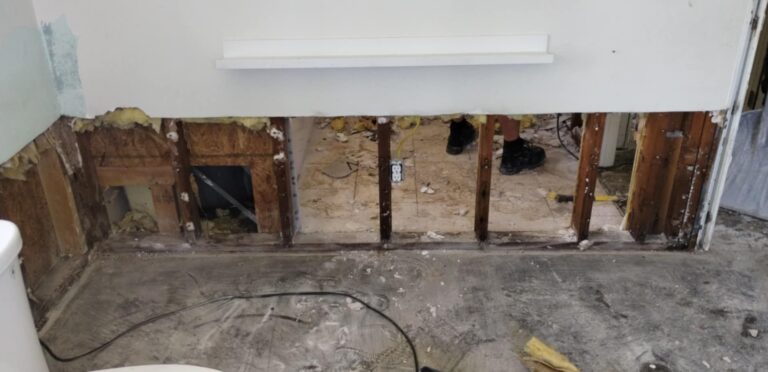
One challenge with bathroom cabinetry is that the cabinet itself can conceal portions of the wall, plumbing penetrations, flooring, and surrounding building materials. Visible conditions at the front or interior of a vanity do not necessarily reveal everything occurring behind it.
When determining whether cabinetry can remain in place, several factors can matter, including the type of material, extent of contamination, condition of the cabinet, and whether affected areas can be adequately accessed while the vanity remains installed.
In this case, removal of the vanity provided the access necessary to address the affected area.
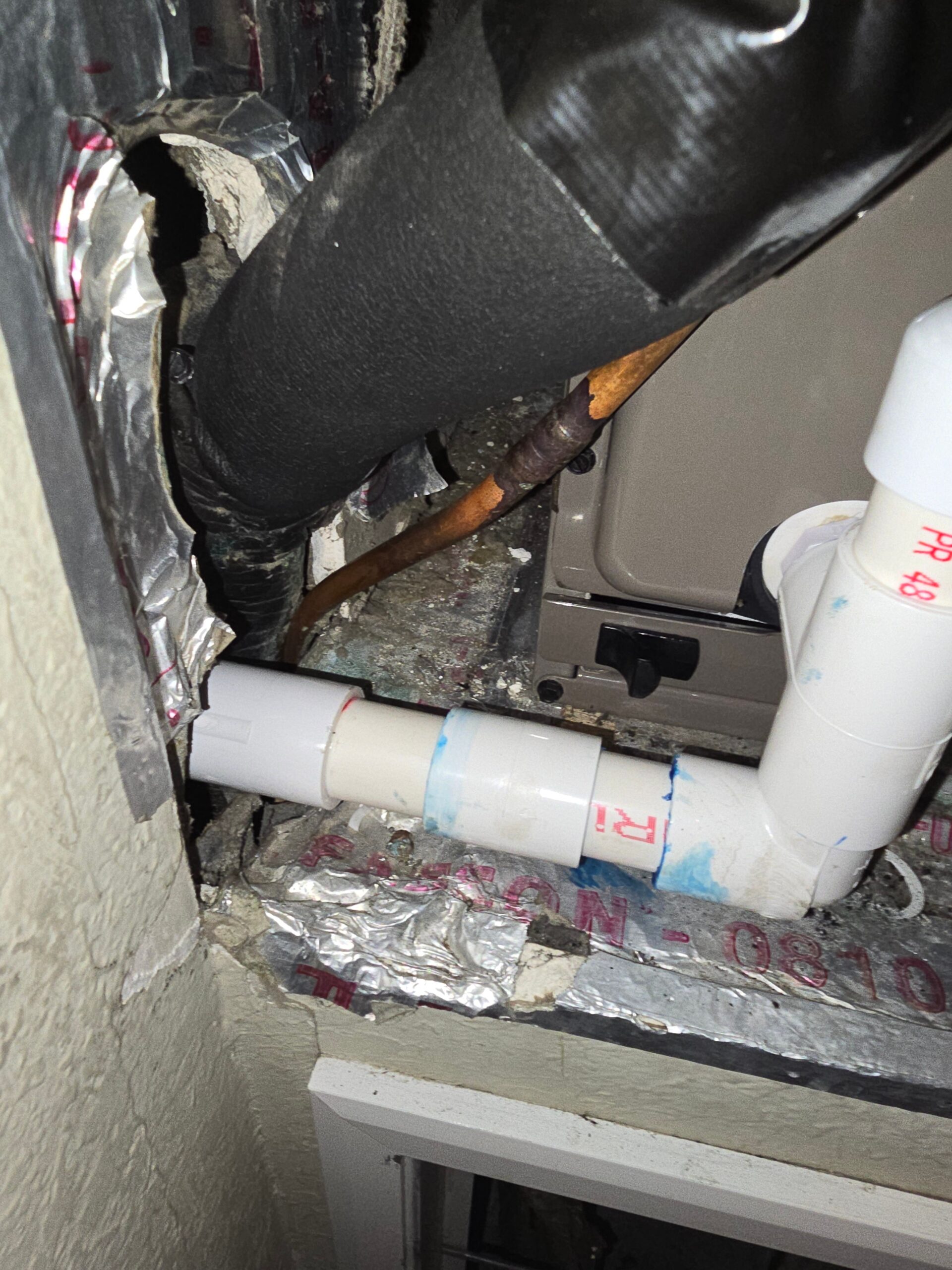
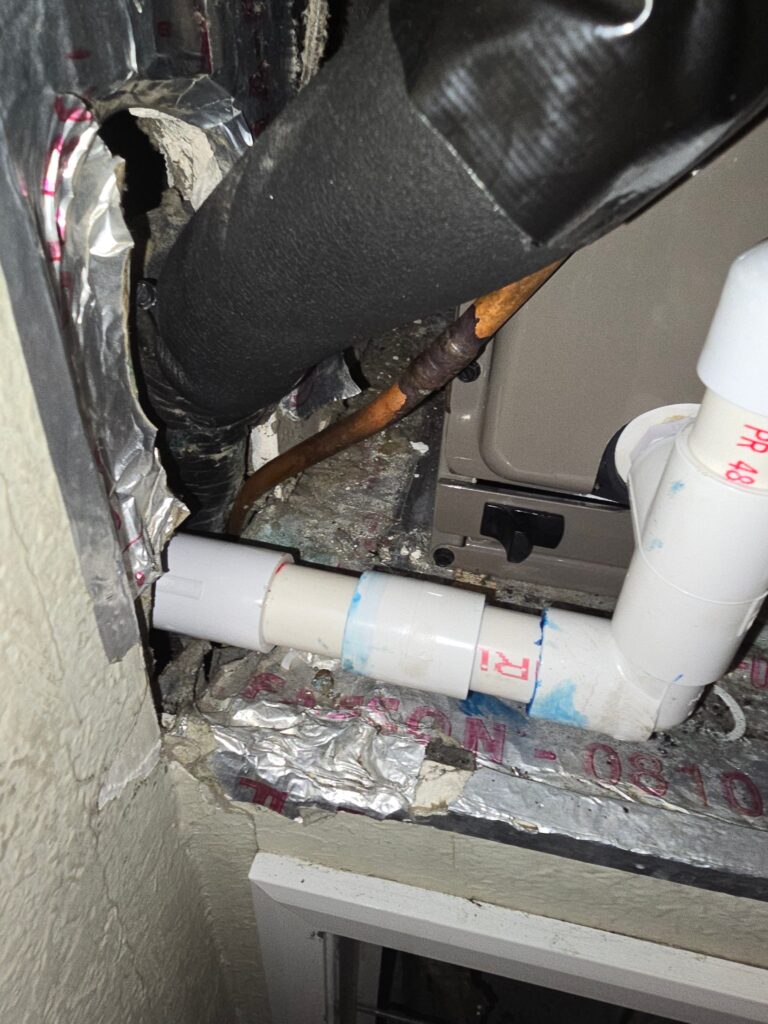
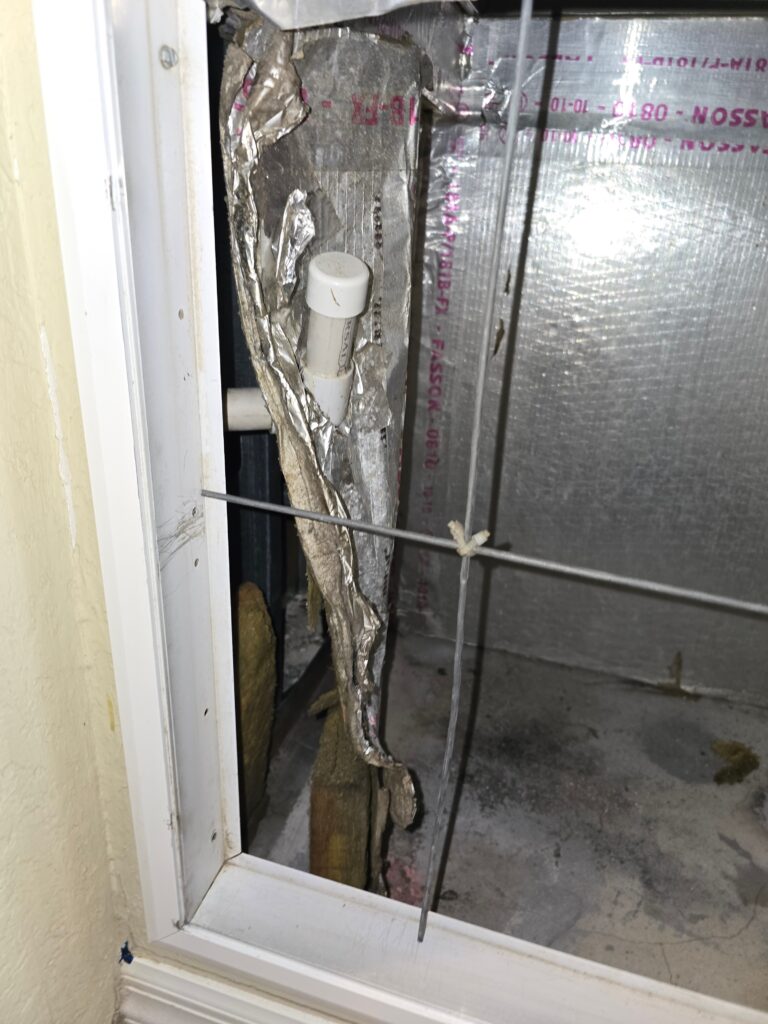
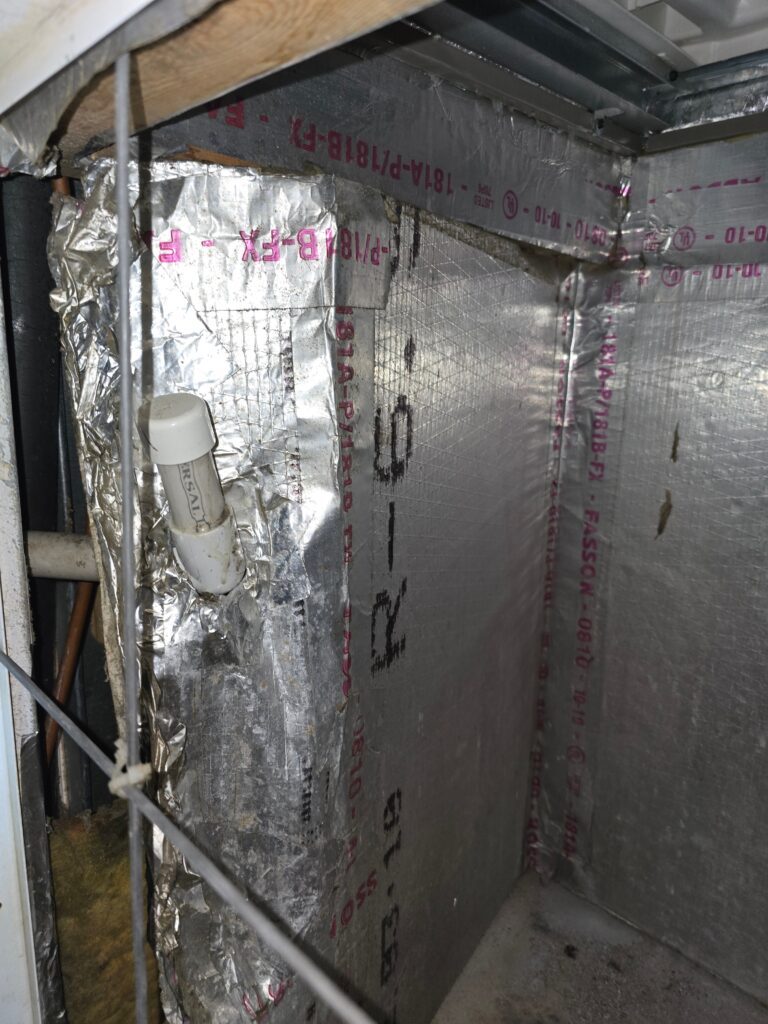
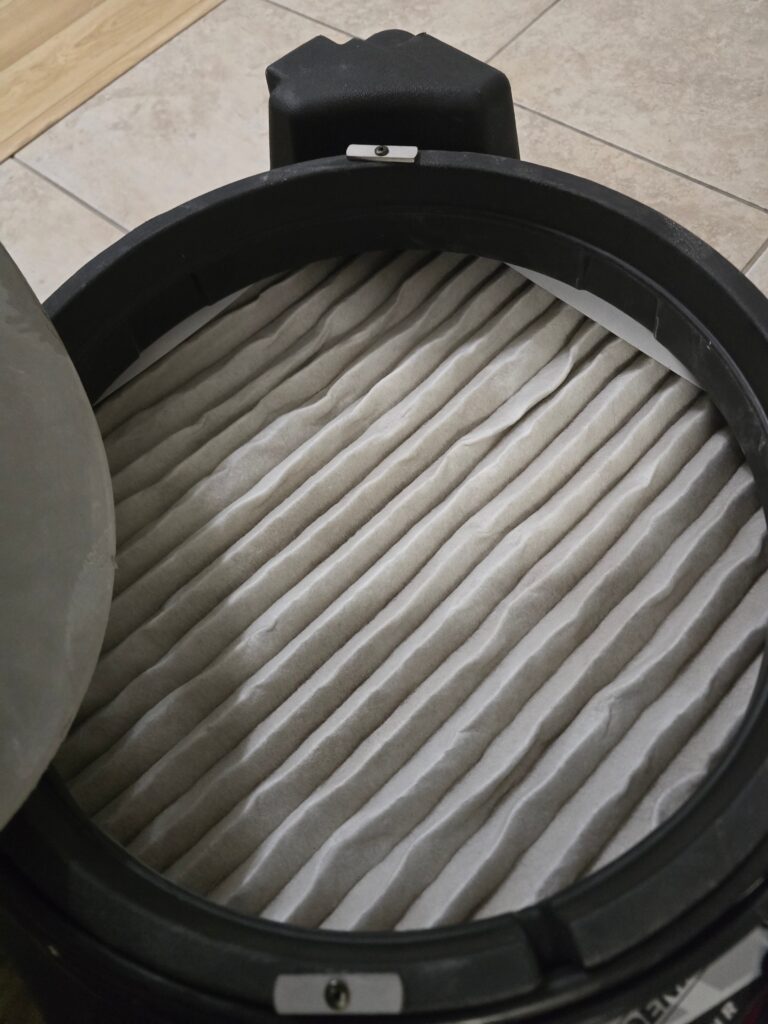
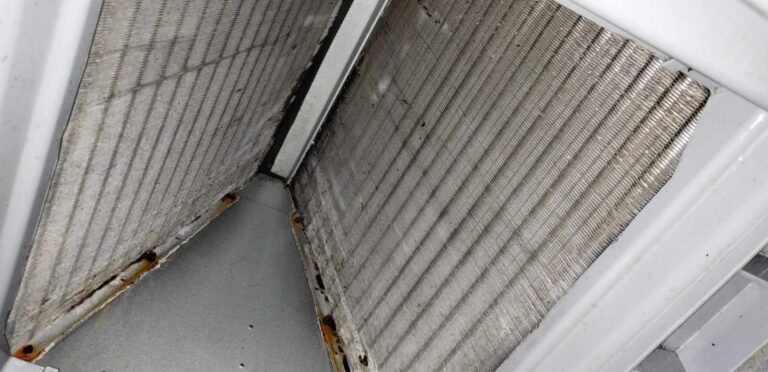
The photographs from the project also document conditions around HVAC components and concealed mechanical spaces. These areas can contain numerous surfaces, penetrations, insulation materials, condensate components, and other locations that are not visible during an ordinary inspection of occupied rooms.
The HVAC system was therefore included within the cleaning scope based on conditions identified during the project.
Importantly, HVAC cleaning is not automatically required simply because mold is discovered somewhere in a home. The HVAC system should be evaluated based on the circumstances and conditions of the individual property.
Why Vanity Removal May Be Necessary During Mold Remediation
A bathroom vanity can contain several different types of material.
Cabinet boxes may include wood, plywood, particleboard, MDF, laminates, veneers, and other porous or semi-porous components. Whether those materials can be effectively remediated depends upon their condition and the nature and extent of contamination.
There is also the question of access.
Even if portions of the vanity itself appear relatively unaffected, the cabinet may physically prevent access to contaminated materials behind or underneath it.
Removing the vanity can allow remediation technicians to evaluate areas such as the wall cavity, plumbing penetrations, flooring, cabinet backing, and adjacent building materials.
The decision should therefore be based on the actual conditions rather than an assumption that every vanity exposed to mold must automatically be discarded.
Mold Remediation Process
Once the remediation scope was established, affected materials were addressed using procedures appropriate for the conditions encountered.
The goal of professional mold remediation is not simply to make visible discoloration disappear. The process involves addressing contaminated materials and accumulated particulate while controlling the work area and preventing unnecessary spread during remediation.
Where removal is necessary, affected materials are removed so remaining surfaces and concealed areas can be accessed for cleaning.
The exposed areas can then be evaluated and cleaned as appropriate before reconstruction begins.
This distinction is particularly important in bathrooms because simply installing new cabinetry over an unresolved condition would conceal the problem rather than properly addressing it.
HVAC Air Handler and Duct Cleaning
The project also included professional cleaning of the HVAC air handler and associated ductwork.
An HVAC system contains numerous components that can accumulate dust and debris over time. Depending upon the system and the conditions identified, cleaning may involve accessible portions of the air handler and associated duct system.
The purpose of including HVAC cleaning in this project was to address the conditions identified within those system components as part of the overall restoration scope.
HVAC systems should be evaluated individually. Mold remediation in one portion of a home does not automatically mean that the entire duct system is contaminated or requires cleaning.
When conditions within the system warrant attention, however, addressing those components can be an important part of a comprehensive project.
Restoration Timeline
Restoration Timeline
1. Evaluation of the Bathroom Vanity Area
The affected bathroom was inspected and mold-related conditions associated with the vanity area were identified.
The location and accessibility of the affected materials were evaluated to determine an appropriate remediation scope.
2. Vanity Removal
The affected vanity was removed.
This provided access to areas behind and around the cabinetry that would otherwise have remained concealed or difficult to clean.
3. Mold Remediation
Affected materials and accessible surfaces within the remediation area were addressed.
Removal and cleaning allowed the underlying area to be treated before new finishes or cabinetry were installed.
4. HVAC System Cleaning
The air handler and associated ductwork were professionally cleaned to address conditions identified within accessible HVAC system components.
5. Bathroom Reconstruction
After remediation of the affected area, a replacement vanity was installed.
This returned the bathroom to a functional and finished condition while ensuring that remediation occurred before reconstruction concealed the previously affected area.
Why Remediation Should Come Before Reconstruction
One of the most important principles in a mold-related restoration project is sequencing.
New cabinetry, drywall, flooring, or other finishes should not simply cover an unresolved mold or moisture condition.
When affected materials need to be removed, remediation provides an opportunity to expose and address concealed areas before reconstruction begins.
Once that work is completed, restoration can move forward.
For homeowners, this is one of the advantages of coordinating remediation and reconstruction carefully: each phase can occur in the proper order rather than repairing the visible finishes first and potentially discovering concealed conditions later.
Equipment Deployed
Project Gallery
Frequently Asked Questions
Frequently Asked Questions
Does every bathroom vanity with mold need to be replaced?
No. The appropriate approach depends on the materials involved, extent of contamination, physical condition of the vanity, and whether affected surfaces can be effectively accessed and cleaned. Some situations may allow materials to remain, while others warrant removal.
Can mold grow behind a bathroom vanity where I cannot see it?
Yes. Vanities can conceal walls, plumbing penetrations, flooring, and other areas where moisture-related conditions may occur. An inspection may identify reasons to investigate concealed areas when conditions warrant it.
Should you install a new vanity immediately after removing a mold-affected one?
The affected area should first be properly evaluated and remediated. Reconstruction should follow remediation rather than concealing unresolved conditions behind new cabinetry.
Does finding mold in a bathroom mean the air ducts need to be cleaned?
Not automatically. HVAC cleaning should be based on conditions identified within the system and the circumstances of the project. A separate evaluation of accessible HVAC components can help determine whether cleaning is appropriate.
Can one restoration company handle mold remediation and the repairs afterward?
Yes, provided the company is appropriately qualified and the work complies with applicable requirements. Coordinating remediation and reconstruction can help ensure affected areas are addressed before new finishes and cabinetry are installed.
Need Mold Remediation in Bradenton or Sarasota?
If you discover mold around a bathroom vanity, inside cabinetry, near plumbing, or in another concealed area, determining how far the condition extends is an important first step.
ServiceMaster SRQ provides mold remediation and restoration services throughout Bradenton, Sarasota, Lakewood Ranch, Longboat Key, and surrounding Gulf Coast communities. Our team can evaluate affected areas, develop an appropriate remediation scope, and coordinate necessary restoration work based on the conditions found.
Contact ServiceMaster SRQ at 941-377-2455 to schedule an evaluation.
"Key Takeaway Finding mold at a bathroom vanity does not automatically mean the entire vanity must be discarded, but removal may be necessary when materials cannot be effectively remediated or when the cabinet prevents access to affected areas. The important question is not simply, “Can we clean the vanity?” It is also, “Can we properly access and remediate everything affected behind and underneath it?” In this Bradenton project, removal allowed the affected bathroom area to be properly addressed before a replacement vanity was installed. HVAC cleaning was also performed based on conditions identified within the system, creating a coordinated remediation and restoration approach."
Have a similar issue?
ServiceMaster SRQ provides 24/7 emergency water damage restoration, mold remediation, fire damage cleanup, demolition, and specialty cleaning throughout Sarasota and Manatee Counties. Contact us today to schedule an inspection or request emergency service.
Call 941-377-2455 NowRelated Case Studies

More Case Studies
Whole-Home Surface Mold Remediation, HVAC Cleaning, and Post-Remediation Testing – Sarasota, FL 34235
View Project →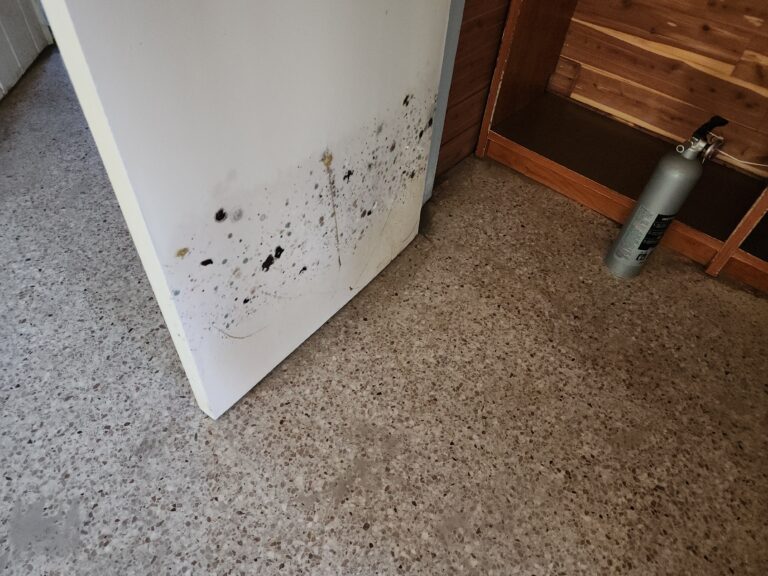
Water Damage Mitigation and Professional Mold Remediation in Longboat Key, Florida
View Project →