

How Do You Safely Clean Construction Dust From Sensitive Computer Equipment in Venice, FL?
How Do You Safely Clean Construction Dust From Sensitive Computer Equipment in Venice, FL?
Construction cleaning Venice Florida
Project Quick Facts
Location
Venice, Florida
Service
Computer Room Specialty Cleaning
Property
Home
Cause
Roofing Repair
Equipment
Air Scrubbers
Short Answer
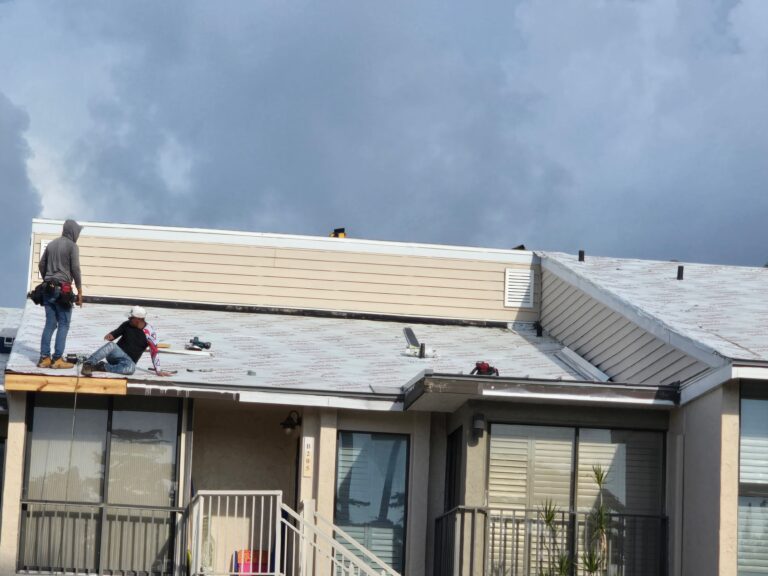
Construction dust on computers and sensitive electronic equipment requires a different cleaning approach than ordinary household surfaces. Fine particulate can settle on equipment, enter openings, and accumulate in difficult-to-reach areas. In this Venice, Florida project, specialized detailed cleaning techniques were used to remove construction dust from the affected computer room and sensitive equipment while reducing the risk of damage from inappropriate cleaning methods.
Inspection & Findings
Inspection & Findings
The inspection focused on identifying where construction dust had migrated and determining the level of detail necessary for cleaning.
Fine construction particulate behaves differently from ordinary household dust. Lightweight particles can become airborne during construction activity and travel beyond the immediate work area through normal air movement, openings between rooms, and potentially HVAC airflow.
Once deposited, fine particulate may be visible on horizontal surfaces, but significant accumulation can also occur in less obvious locations.
The affected computer room therefore required more than a quick visual inspection.
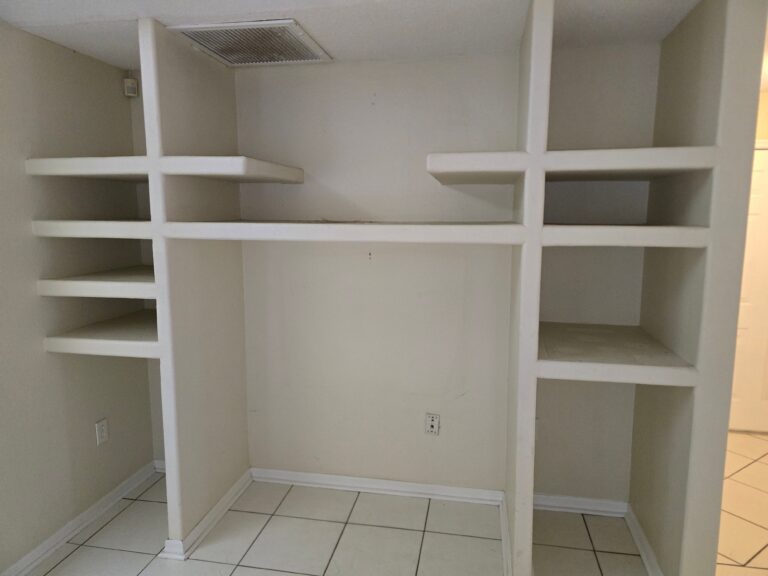
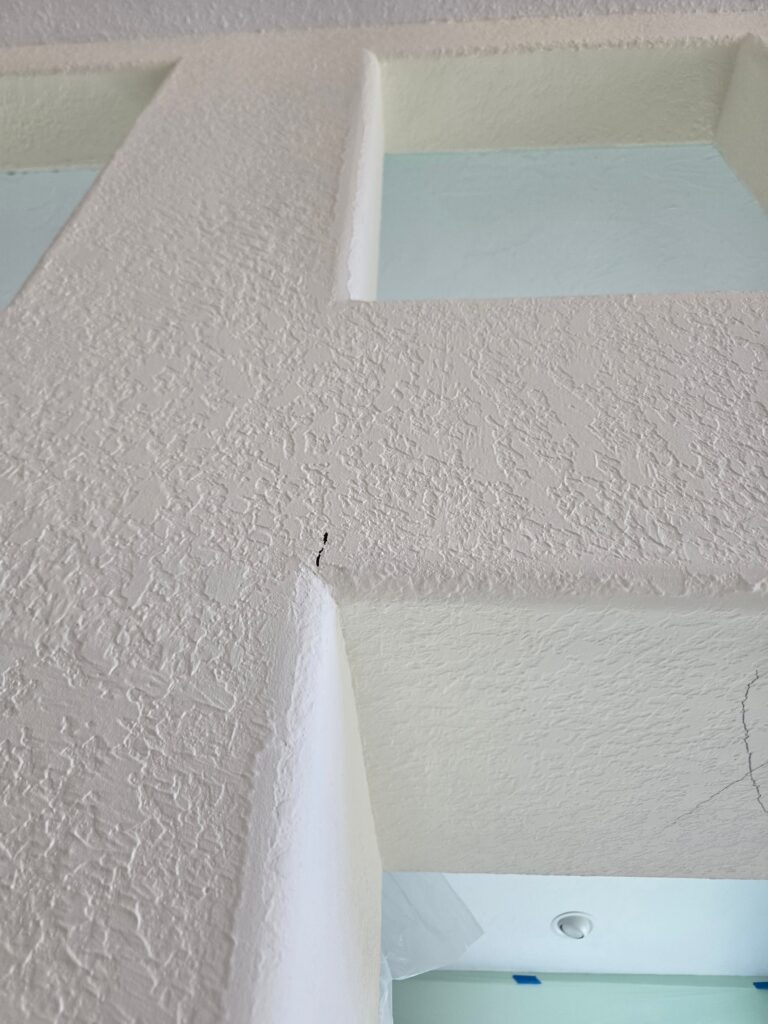
Surfaces, shelving, architectural features, equipment exteriors, and accessible areas around sensitive electronics were evaluated for dust accumulation. Particular attention was given to locations where fine particulate could settle unnoticed.
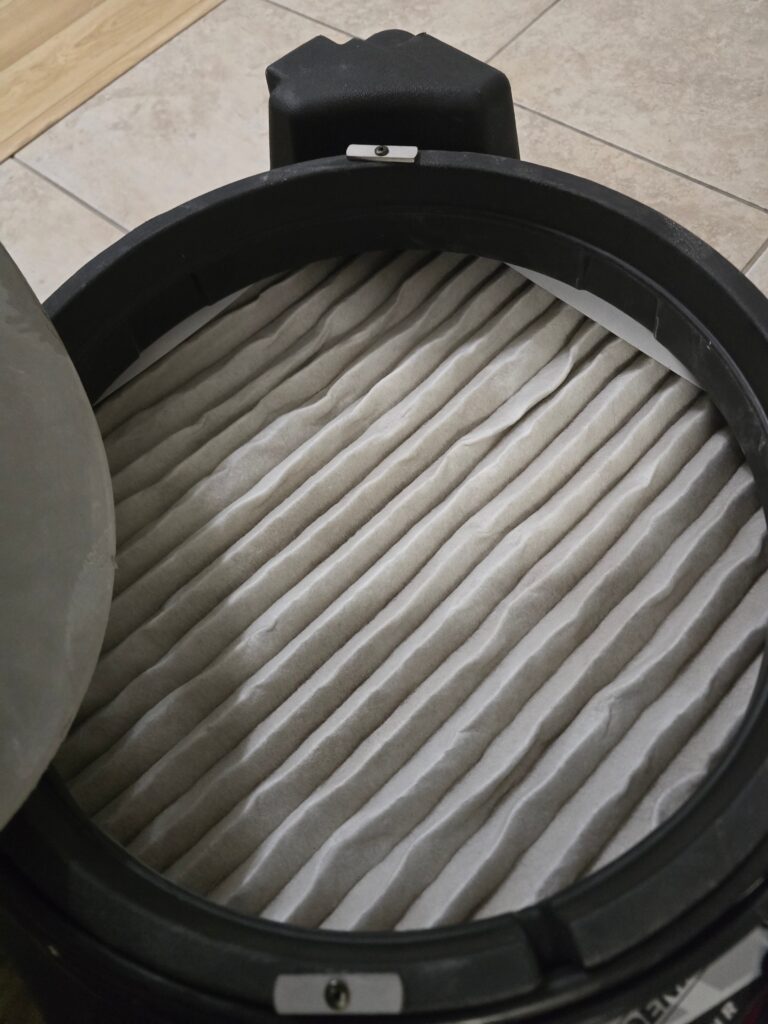
The project photographs also document detailed inspection of architectural surfaces and the use of filtered cleaning equipment as part of the cleaning process.
This level of inspection matters because a room can appear relatively clean from several feet away while still containing fine particulate on equipment and detailed surfaces.
Why Construction Dust Requires Detailed Cleaning
Construction dust is not necessarily confined to the room where work occurred.
Cutting, grinding, sanding, drilling, demolition, and roof-related activities can generate particles small enough to remain airborne before eventually settling.
In a conventional room, many surfaces can be cleaned using standard professional cleaning methods.
A computer room presents additional challenges.
Sensitive equipment may contain ventilation openings and components that should not be exposed to excessive moisture or aggressive cleaning techniques. Dust may also accumulate around cables, equipment housings, workstations, shelving, and other intricate surfaces.
For that reason, cleaning methods must be selected according to the surface or equipment being addressed rather than applying one cleaning technique throughout the room.
The goal is controlled particulate removal—not simply redistributing dust from one location to another.
Specialty Cleaning of Sensitive Computer Equipment
Cleaning sensitive electronics requires attention to both the contamination and the equipment.
The process used for this project incorporated detailed and microscopic cleaning techniques where appropriate to address fine particulate that conventional surface cleaning alone might not adequately remove.
HEPA-filtered equipment can be an important component of particulate-removal projects because captured material is filtered rather than simply exhausted back into the environment.
However, equipment selection is only one part of the process.
Detailed cleaning also requires technicians to systematically work through affected surfaces so particulate is removed rather than repeatedly disturbed and allowed to resettle.
Around sensitive computer equipment, the cleaning approach must also account for the characteristics of the individual component being cleaned.
Electronics should not automatically be treated like ordinary furniture or building surfaces.
Cleaning the Surrounding Environment
Cleaning the computer equipment without addressing the surrounding room would leave a significant part of the problem unresolved.
Fine dust deposited on walls, shelving, ledges, architectural features, flooring, and other horizontal surfaces can become airborne again through normal activity.
For that reason, the affected environment was included within the cleaning scope.
The room's built-in shelving and other detailed surfaces required attention because their numerous horizontal ledges provide natural collection points for airborne particulate.
This whole-environment approach helps reduce the potential for residual construction dust on surrounding surfaces to redeposit onto cleaned equipment.
Restoration Timeline
Restoration Timeline
1. Assessment of the Affected Room
The computer room was inspected to identify construction dust accumulation and determine the surfaces and sensitive equipment requiring specialized cleaning.
2. Evaluation of Sensitive Equipment
Computer and electronic equipment within the affected area was evaluated so cleaning methods could be selected according to the sensitivity and accessibility of individual components.
3. Controlled Particulate Removal
Professional filtered cleaning equipment and detailed cleaning procedures were used to remove accumulated construction particulate from the affected environment.
4. Specialty Equipment Cleaning
Sensitive computer and electronic equipment received careful detailed cleaning using methods appropriate for the equipment and the fine particulate involved.
5. Detailed Surface Cleaning
Shelving, architectural surfaces, ledges, and other areas capable of collecting construction dust were incorporated into the cleaning process.
6. Final Detail Work
The affected room and equipment received final detailed attention to address remaining accessible particulate and complete the specialty cleaning scope.
Equipment Deployed
Project Gallery
Frequently Asked Questions
Frequently Asked Questions
Can construction dust damage computers and electronic equipment?
Fine particulate can enter openings and accumulate around ventilation pathways and other components. The potential impact depends on the type and amount of dust, equipment design, exposure, and other factors. Sensitive equipment should be evaluated before aggressive cleaning methods are used.
Can I just use compressed air to blow construction dust out of a computer?
That is not always advisable. Improper use of compressed air can redistribute particulate, force contamination farther into equipment, or potentially affect sensitive components. The appropriate method depends on the equipment and circumstances.
Why isn't normal house cleaning enough for fine construction dust?
Ordinary cleaning may address visible dust while missing fine particulate on detailed surfaces, ledges, equipment, openings, and other difficult-to-access locations. Specialty cleaning focuses on systematic particulate removal throughout the affected environment.
Should the entire room be cleaned if only the computer equipment looks dusty?
Potentially, yes. If construction dust has migrated throughout the room, cleaning only the electronics can leave particulate on surrounding surfaces that may later become airborne and redeposit. The extent of cleaning should be based on the actual distribution of dust.
Should HEPA-filtered equipment be used for construction dust cleanup?
HEPA-filtered equipment is commonly useful when removing fine particulate because it is designed to capture very small particles rather than allowing collected material to be exhausted back into the environment. The equipment still needs to be used with appropriate cleaning procedures for the surfaces involved.
Need Help With Construction Dust Around Sensitive Equipment?
If construction, remodeling, roofing, or repair work has spread fine dust into areas containing computers, electronics, valuable contents, or other sensitive equipment, the first step is determining how far the particulate traveled and what cleaning methods are appropriate for the affected materials.
ServiceMaster SRQ provides specialty cleaning and post-construction dust remediation throughout Venice, Sarasota, Bradenton, and surrounding Gulf Coast communities. Our cleaning approach can be adapted to sensitive environments where conventional cleaning methods may not be appropriate.
Call ServiceMaster SRQ at 941-377-2455 to schedule an evaluation.
"Key Takeaway Construction dust contamination involving computers and electronics should not automatically be treated like routine house cleaning. Fine particulate can migrate well beyond the construction area and settle on sensitive equipment and difficult-to-reach surfaces. The appropriate response involves identifying the extent of contamination, selecting cleaning methods appropriate for each surface and piece of equipment, and addressing the surrounding environment so cleaned electronics are not immediately exposed to residual dust. For this Venice project, the combination of detailed environmental cleaning and specialty cleaning of sensitive equipment allowed the construction-related particulate to be addressed systematically rather than relying on conventional surface cleaning alone."
Have a similar issue?
ServiceMaster SRQ provides 24/7 emergency water damage restoration, mold remediation, fire damage cleanup, demolition, and specialty cleaning throughout Sarasota and Manatee Counties. Contact us today to schedule an inspection or request emergency service.
Call 941-377-2455 NowRelated Case Studies

More Case Studies
Can Hardwood Floors Be Saved After Hurricane Flooding in Sarasota, Florida?
View Project →
Mold Remediation, Moisture Management, and Interior Repairs – Anna Maria, FL
View Project →