
Mold Remediation with Removal of Non-Salvageable Materials – Venice, FL 34292
Mold Remediation with Removal of Non-Salvageable Materials – Venice, FL 34292
Mold Remediation
Project Quick Facts
Location
Venice, Florida
Service
Evaluation and selective removal of mold-affected, non-salvageable materials followed by remediation and environmental cleaning
Property
Home
Cause
Interior plumbing leak
Equipment
Air Scrubbers, Dehumidifiers, Blowers, Roto Brush
PRV
Post Remediation Test Passed
Short Answer
Why do some materials need to be removed during mold remediation?
Porous materials that are significantly affected by mold contamination may not always be appropriate candidates for cleaning and restoration. When contamination has penetrated a material or the material has deteriorated, selective removal may be necessary so the affected area can be properly remediated while sound, unaffected materials are preserved whenever practical.
Inspection & Findings
Inspection & Findings
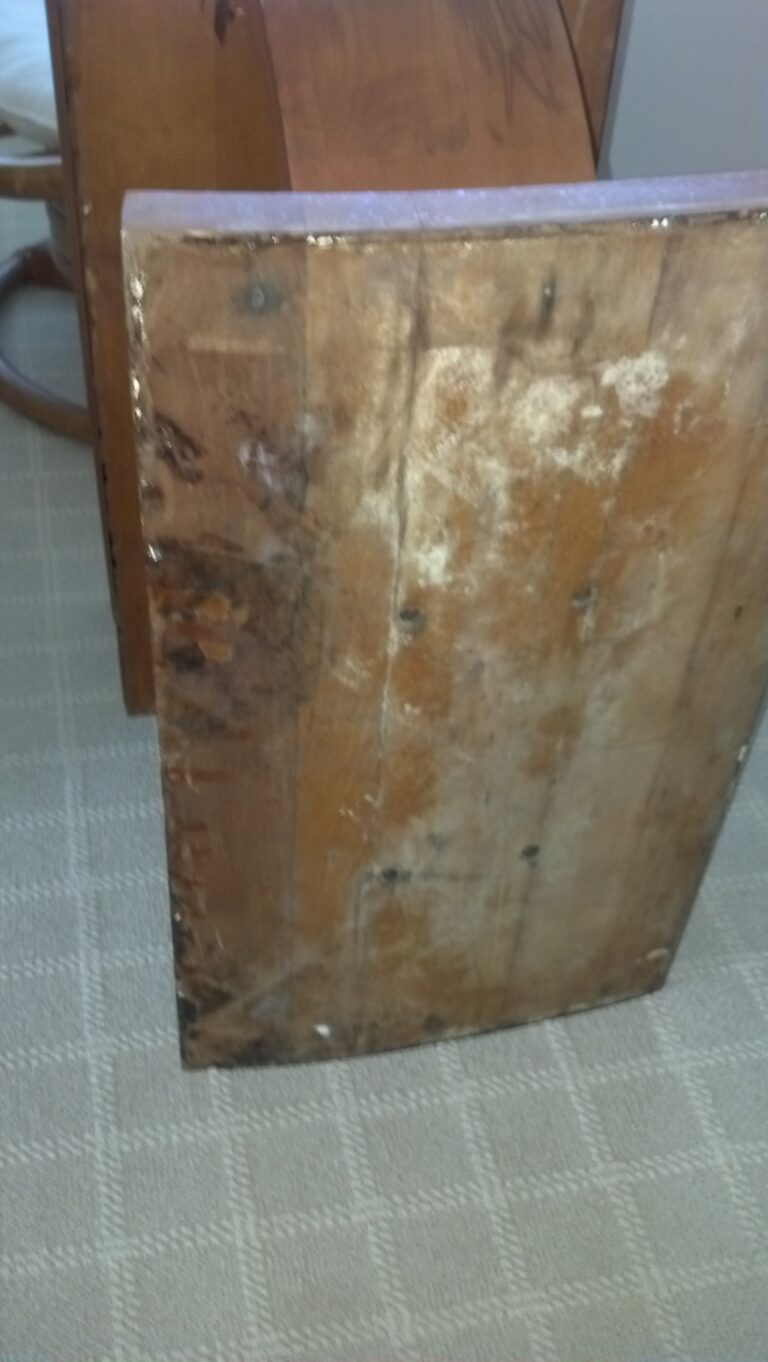
The evaluation identified mold-related conditions affecting porous materials within the residence.
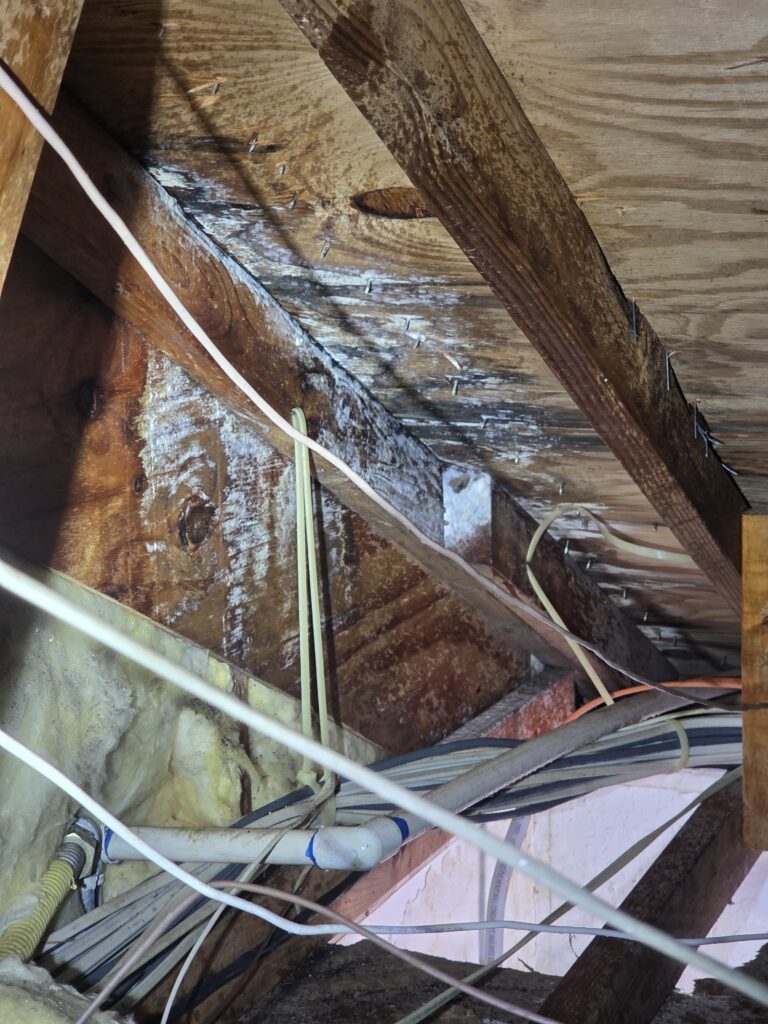
As shown in the project documentation, visible conditions were present on portions of the affected material. An important part of professional mold remediation is determining which materials can reasonably be cleaned and which have been affected to the point that removal is the appropriate course of action.
Not every material exposed to a mold-related condition automatically requires demolition. The decision depends on factors such as the type of material, extent of contamination, physical deterioration, accessibility, and whether the material can be effectively remediated.
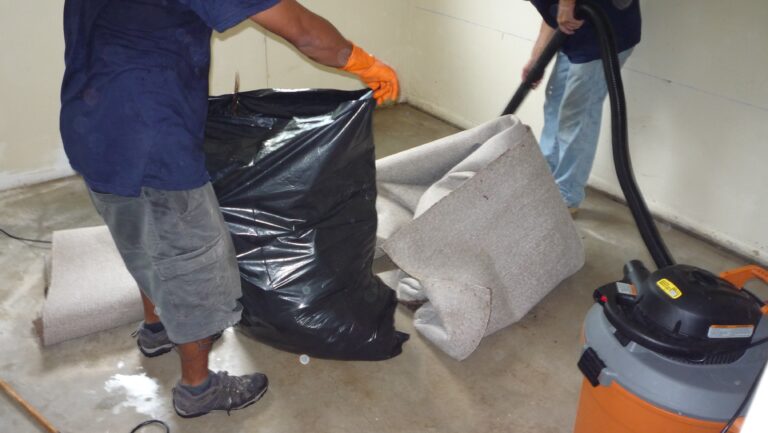
In this project, certain affected materials were determined to be non-salvageable and were incorporated into the removal scope.
Restoration Timeline
Restoration Timeline
1. Evaluation of Affected Materials
The affected areas were evaluated to determine the extent of the mold-related conditions and identify materials requiring remediation.
2. Identification of Non-Salvageable Materials
Materials that could not be effectively remediated were identified for selective removal rather than automatically removing surrounding unaffected components.
3. Selective Material Removal
Non-salvageable materials were carefully removed to eliminate affected materials and provide access to underlying or adjacent surfaces requiring remediation.
4. Mold Remediation
Remaining affected surfaces were addressed using appropriate mold remediation procedures.
5. Environmental Cleaning
Detailed cleaning was performed within the treated areas to address residual contamination associated with the remediation work.
6. Preparation for Restoration
Once remediation activities were completed, the affected areas were prepared for the appropriate repair or reconstruction phase.
Scope Highlights
- Professional mold remediation
- Evaluation of affected materials
- Identification of non-salvageable materials
- Selective demolition
- Removal of mold-affected porous materials
- Treatment of remaining affected surfaces
- Detailed environmental cleaning
- Preservation of unaffected materials where appropriate
- Preparation for reconstruction and restoration
Equipment Deployed
Project Gallery
Frequently Asked Questions
Frequently Asked Questions
Does every material with mold on it need to be removed?
No. Whether a material should be cleaned or removed depends on the material itself, its condition, the extent of contamination, and whether it can be effectively remediated.
Why are porous materials more difficult to remediate?
Porous materials can allow moisture and contamination to penetrate below the surface. Depending on the material and extent of the condition, surface cleaning alone may not adequately address what is present within the material.
Can wood with mold on it always be saved?
Not always, but visible mold on wood does not automatically mean the wood must be discarded. Its condition, structural integrity, accessibility, and extent of contamination should be evaluated before determining whether cleaning or removal is appropriate.
Why use selective demolition instead of removing everything?
Selective demolition limits removal to materials that actually need to come out. This can preserve unaffected building components, reduce unnecessary reconstruction, and provide access to surfaces requiring remediation.
What happens after mold-affected materials are removed?
The exposed and remaining affected surfaces are remediated and cleaned as appropriate. Once the environmental portion of the project is completed, the area can move into repair or reconstruction.
Can you tell whether something is mold just by looking at it?
Visual conditions can indicate that further evaluation is warranted, but appearance alone does not reliably identify the specific type of microbial growth. Testing may be appropriate depending on the circumstances and project requirements.
Need Mold Remediation in Venice?
ServiceMaster SRQ provides professional mold remediation, selective demolition, environmental cleaning, water damage restoration, and related restoration services throughout Venice, Sarasota, Nokomis, Osprey, and surrounding Gulf Coast communities.
When mold affects a property, determining what actually needs to be removed and what can remain is an important part of developing an appropriate remediation scope.
Call ServiceMaster SRQ at 941-377-2455 for professional mold remediation services.
"Key Takeaway Mold remediation does not necessarily mean tearing out everything in the affected area. The goal is to determine what can be effectively remediated and what cannot. Materials that are significantly contaminated, deteriorated, or otherwise non-salvageable may require removal, while unaffected or appropriately salvageable components can often remain. This targeted approach allows the remediation process to address the actual affected materials without creating unnecessary demolition and reconstruction."
Have a similar issue?
ServiceMaster SRQ provides 24/7 emergency water damage restoration, mold remediation, fire damage cleanup, demolition, and specialty cleaning throughout Sarasota and Manatee Counties. Contact us today to schedule an inspection or request emergency service.
Call 941-377-2455 NowRelated Case Studies

More Case Studies
Do Kitchen Cabinets Have to Be Removed If Mold Is Found Under the Sink in Nokomis, Florida?
View Project →
Can Professional Carpet Cleaning Improve Indoor Air Quality in Bradenton Schools?
View Project →