Residential Mold Remediation with Containment and Source Evaluation – Nokomis, FL
Residential Mold Remediation with Containment and Source Evaluation – Nokomis, FL
Mold Remediation
Project Quick Facts
Location
Nokomis, Florida
Service
Removal of contaminated materials, detailed cleaning, contamination control, moisture management, and structural drying
Property
Home
Cause
Mold-related conditions associated with an underlying moisture source
Equipment
Dehumidifier, blowers
Short Answer
Why is identifying the source important before mold remediation begins?
Mold growth requires moisture. Identifying and correcting the moisture source is therefore an important part of a successful remediation project. Without addressing the conditions that allowed the mold to develop, cleaning or removing affected materials alone may not prevent the problem from returning.
Inspection & Findings
Inspection & Findings
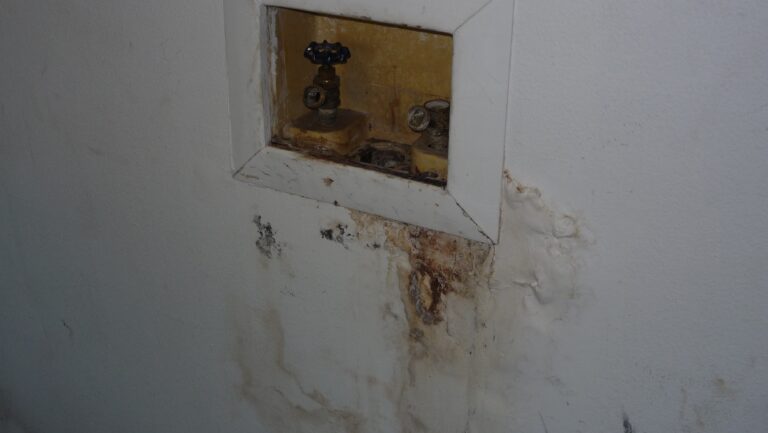
Inspection identified mold-related conditions along lower wall areas and behind finish materials.
Once affected materials were opened and removed, concealed portions of the wall assemblies could be evaluated. The exposed areas showed conditions requiring professional remediation rather than simple surface cleaning.
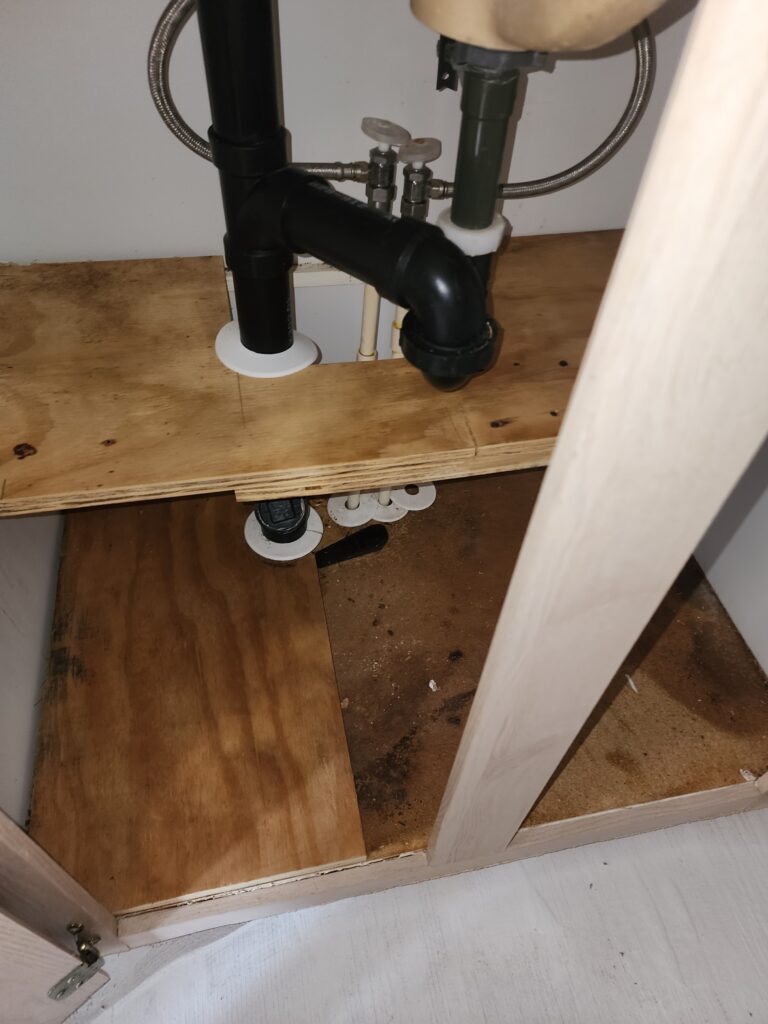
The inspection also focused on determining the moisture source associated with the affected areas. Identifying the source was important because mold remediation should address not only the visible contamination but also the conditions that allowed it to develop.
Source Evaluation
One of the most important questions during a mold investigation is why the affected materials became wet in the first place.
Moisture may originate from plumbing leaks, exterior water intrusion, appliance failures, condensation, elevated humidity, or other building conditions.
Determining the likely source helps establish the appropriate remediation scope and allows corrective action to be coordinated so the same moisture condition does not continue after remediation.
Containment and Cross-Contamination Control
Containment was established around the affected work areas before disturbance of contaminated materials.
This creates a controlled work environment and helps limit the movement of dust, debris, and particulate generated during demolition and cleaning into unaffected portions of the residence.
Containment is particularly important when wall cavities or other concealed areas must be opened because contamination that was previously contained within a building assembly can become disturbed during removal.
Selective Removal of Affected Materials
Materials that could not appropriately remain were selectively removed to expose the affected wall cavities and structural components.
The goal was not indiscriminate demolition. Removal was focused on materials necessary to gain access to contaminated areas and complete the remediation properly while preserving unaffected materials wherever appropriate.
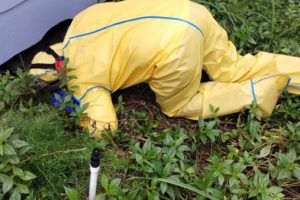
The photographs document removal along lower wall sections and other affected areas to expose framing and structural surfaces requiring cleaning.
Detailed Mold Remediation and Cleaning
Following selective demolition, exposed structural surfaces were cleaned as part of the mold remediation process.
Detailed cleaning addressed accessible framing, floor perimeters, wall cavities, and other surfaces within the affected areas.
The remediation process was designed to remove contamination rather than simply conceal visible staining or apply a coating over affected materials.
Why Source Correction Matters
Mold remediation and moisture correction go hand in hand.
A remediation contractor can remove contaminated materials and thoroughly clean affected structural surfaces, but continued moisture can create conditions for new microbial growth.
For that reason, identifying the source and coordinating its correction is an important part of protecting the results of the remediation work.
Restoration Timeline
Restoration Timeline
1. Inspection & Findings
Affected areas were inspected to determine the extent of mold-related conditions and identify materials requiring further evaluation.
2. Moisture Source Evaluation
Conditions associated with the affected areas were evaluated to determine the likely source of moisture contributing to the mold growth.
3. Containment
Containment was established around the remediation areas to help control cross-contamination during material removal and cleaning.
4. Selective Material Removal
Affected materials were removed where necessary to expose concealed wall cavities and structural components.
5. Detailed Environmental Cleaning
Remaining structural surfaces were professionally cleaned to address mold-related contamination within the remediation areas.
6. Final Evaluation
The remediated areas were evaluated following cleaning to confirm that the planned scope had been completed and the affected spaces were ready for the next phase of restoration.
Scope Highlights
- Mold condition assessment
- Inspection and findings documentation
- Moisture source evaluation
- Professional mold remediation
- Containment of affected work areas
- Cross-contamination control
- Selective removal of affected materials
- Exposure of concealed wall cavities
- Detailed cleaning of structural surfaces
- Treatment of mold-related conditions
- Preservation of unaffected materials where appropriate
- Preparation for restoration
- Residential mold remediation services
Equipment Deployed
Project Gallery
Frequently Asked Questions
Frequently Asked Questions
Why does the moisture source need to be identified?
Because mold requires moisture to grow. If the moisture condition continues after remediation, mold-related conditions can develop again.
Does finding mold mean all of the drywall has to be removed?
No. Removal should be based on actual conditions, material type, accessibility, and the extent of contamination. Unaffected materials can often remain in place.
Why is containment used during mold remediation?
Containment helps isolate the work area and reduce the movement of dust and particulate generated when affected materials are disturbed.
Can visible mold simply be sprayed or painted over?
That does not constitute proper remediation of contaminated materials. Affected materials need to be evaluated, appropriately removed or cleaned, and the underlying moisture condition addressed.
What happens after affected drywall is removed?
Removal exposes framing, wall cavities, and other concealed surfaces so they can be inspected and cleaned as necessary before reconstruction.
Can mold return after professional remediation?
It can if a moisture problem develops or remains unresolved. Controlling moisture is one of the most important factors in reducing the likelihood of future mold growth.
Need Mold Remediation in Sarasota?
ServiceMaster SRQ provides professional mold remediation, moisture investigation, containment, environmental cleaning, and restoration services throughout Sarasota, Bradenton, Lakewood Ranch, Siesta Key, Longboat Key, Osprey, Venice, and surrounding Gulf Coast communities.
Call ServiceMaster SRQ at 941-377-2455 for professional mold remediation and moisture-related restoration services.
"Key Takeaway Successful mold remediation begins with understanding why the mold developed. Removing visible mold without investigating the moisture source addresses only part of the problem. This Sarasota project combined source evaluation, controlled containment, selective material removal, and detailed remediation to address both the affected building materials and the conditions contributing to the mold growth."
Have a similar issue?
ServiceMaster SRQ provides 24/7 emergency water damage restoration, mold remediation, fire damage cleanup, demolition, and specialty cleaning throughout Sarasota and Manatee Counties. Contact us today to schedule an inspection or request emergency service.
Call 941-377-2455 NowRelated Case Studies

More Case Studies
Affordable Licensed Mold Remediation and Whole-Home Cleaning After Hurricane Damage – Siesta Key, FL 34242
View Project →
What Should You Do After Fire Sprinkler Water Damage Floods Your Sarasota, Florida Home?
View Project →