
Whole-Home Remodel Dust and Surface Mold Cleaning After Tile Installation – Vina Del Mar Island, St. Pete Beach, FL 33706
Whole-Home Remodel Dust and Surface Mold Cleaning After Tile Installation – Vina Del Mar Island, St. Pete Beach, FL 33706
Construction Dust Clean-up
Project Quick Facts
Location
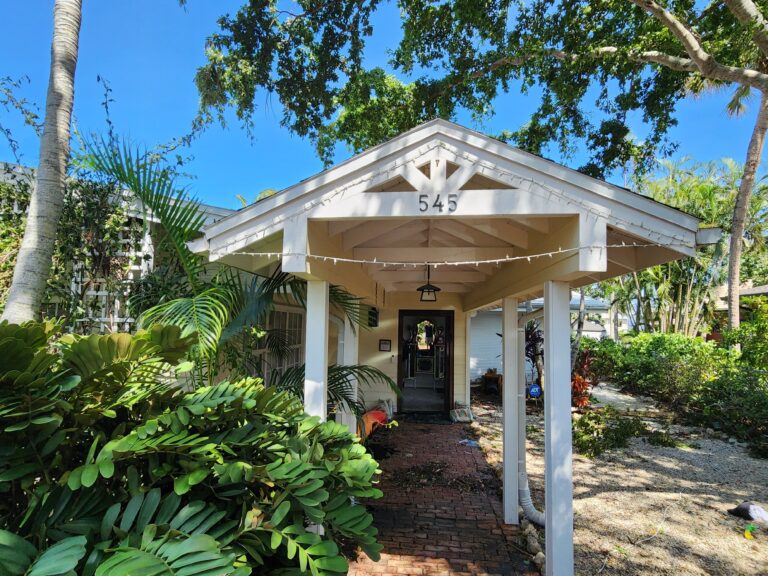
Vina Del Mar Island, St. Pete Beach, Florida 33706
Service
Fine construction dust generated in one work area was circulated throughout the occupied residence, creating a whole-home particulate cleaning problem
Property
Home
Cause
Contractor
Equipment
Roto Brush, Air Scrubbers
Short Answer
How do I clean up dust everywhere after a remodel or renovation in my home?
When fine construction dust has spread throughout a home, ordinary housekeeping may not be enough. The residence may require systematic top-down cleaning, beginning with elevated surfaces and progressing downward so settled particulate is removed rather than repeatedly redistributed. If cutting or grinding occurred indoors while the HVAC system was operating, the cleaning scope may need to extend well beyond the original construction area.
Inspection & Findings
Inspection & Findings
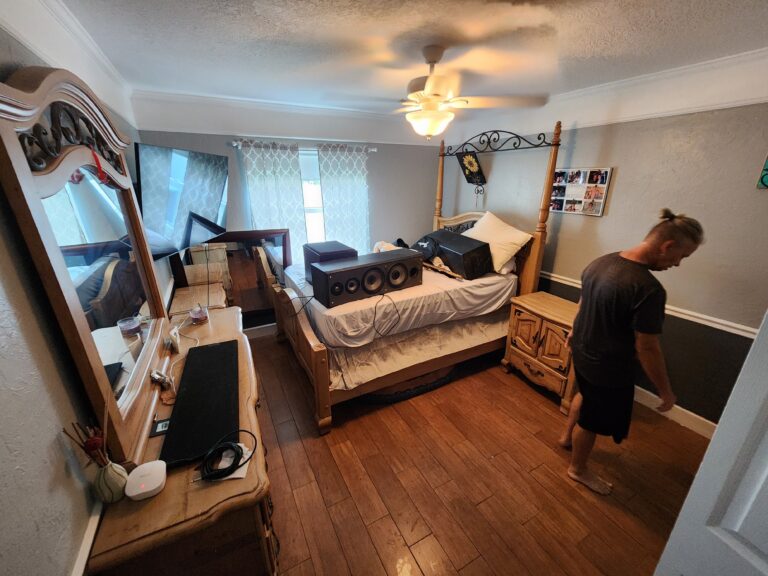
The evaluation identified widespread fine construction dust outside the immediate tile installation area.
The circumstances surrounding the work were particularly important. Tile cutting had been performed inside the residence with the HVAC system operating, providing a pathway for airborne particulate to move beyond the construction area.
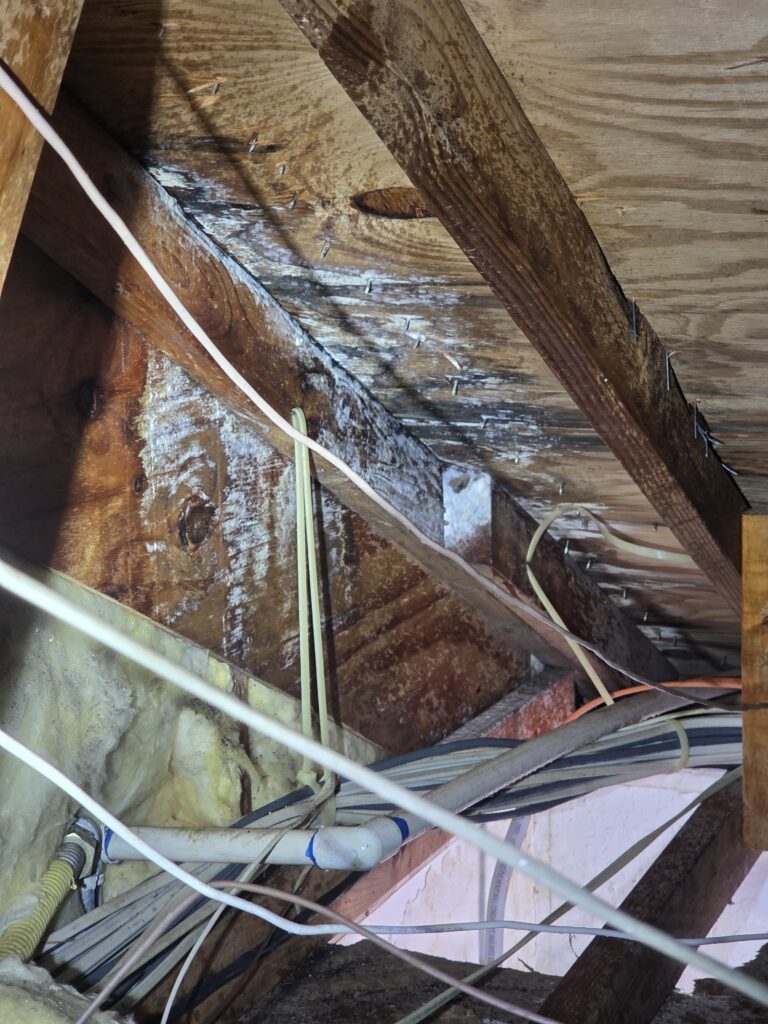
Fine particulate had settled onto surfaces throughout affected portions of the home. Surface mold-related conditions were also identified and incorporated into the cleaning scope.
Because the problem extended beyond ordinary post-construction debris, a systematic environmental cleaning approach was appropriate rather than simply cleaning the visibly dusty areas.
Restoration Timeline
Inspection & Findings
The evaluation identified widespread fine construction dust outside the immediate tile installation area.
The circumstances surrounding the work were particularly important. Tile cutting had been performed inside the residence with the HVAC system operating, providing a pathway for airborne particulate to move beyond the construction area.
Fine particulate had settled onto surfaces throughout affected portions of the home. Surface mold-related conditions were also identified and incorporated into the cleaning scope.
Because the problem extended beyond ordinary post-construction debris, a systematic environmental cleaning approach was appropriate rather than simply cleaning the visibly dusty areas.
Restoration Timeline
1. Evaluation of Dust Distribution
Affected areas were evaluated to determine how far construction particulate had migrated beyond the original tile installation area.
2. Identification of Surface Conditions
Interior surfaces were evaluated for settled construction dust and surface mold-related conditions requiring professional cleaning.
3. Preparation of the Work Areas
Contents and furnishings were managed as necessary to provide access to affected surfaces and allow detailed cleaning throughout the residence.
4. Top-Down Cleaning
Cleaning began with elevated and upper surfaces and progressed downward through the affected areas. This systematic approach helped prevent particulate removed from higher surfaces from recontaminating areas that had already been cleaned.
5. Detailed Surface Cleaning
Walls, trim, furnishings, horizontal surfaces, and other accessible areas were detailed cleaned to remove fine settled construction particulate.
6. Surface Mold Cleaning
Affected surfaces with mold-related conditions were professionally cleaned and treated as part of the overall remediation process.
7. Final Environmental Cleaning
Detailed cleaning continued throughout the affected areas to address remaining particulate and prepare the residence for normal occupancy and use.
Scope Highlights
- Remodel and renovation dust cleanup
- Tile installation dust contamination
- Indoor tile-cutting particulate
- Dust migration beyond the construction area
- Dust spread while the HVAC system was operating
- Whole-home top-down cleaning
- Surface mold cleaning
- Detailed cleaning of affected surfaces
- Fine particulate removal
- Contents and furnishing cleaning access
- Construction dust remediation
- Residential environmental cleaning
- Post-renovation specialty cleaning
Equipment Deployed
Project Gallery
Frequently Asked Questions
Frequently Asked Questions
Why is there construction dust everywhere even though remodeling occurred in only one room?
Fine particulate can become airborne during cutting, sanding, grinding, or demolition. Without effective containment, it can migrate through doorways, openings, air movement, foot traffic, and potentially the home's HVAC system.
Should the HVAC system be running while tile is being cut indoors?
Dust-producing construction activities should be planned to prevent particulate from being distributed into unaffected areas or entering the HVAC system. Appropriate containment and HVAC controls depend on the work being performed and the configuration of the property.
What is top-down cleaning?
Top-down cleaning is a systematic process in which elevated surfaces are addressed before progressively lower surfaces. This allows particulate disturbed from higher areas to be captured during subsequent cleaning rather than falling onto surfaces that have already received their final cleaning.
Why isn't regular house cleaning enough after heavy construction dust?
Ordinary housekeeping typically concentrates on floors, furniture, countertops, and other routinely cleaned areas. Widespread construction particulate can settle on many additional surfaces that require a much more detailed cleaning process.
Can construction dust get on furniture and personal belongings?
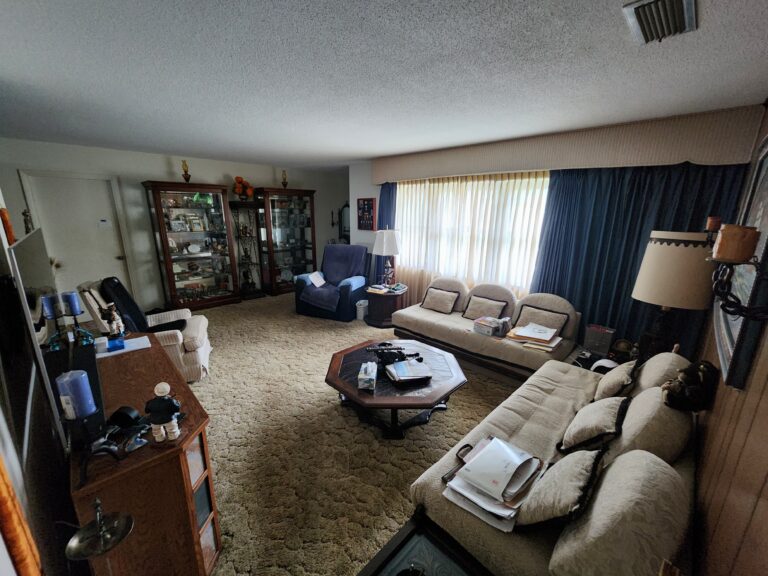
Yes. Fine airborne particulate can settle on exposed furnishings, electronics, decorative items, shelving, clothing, and other contents depending on the extent of the dust migration.
Can construction dust get into an HVAC system?
It can. When airborne particulate is present while an HVAC system is operating, dust may be drawn toward returns and accumulate within accessible portions of the system. Whether HVAC cleaning is warranted should be determined from the actual conditions.
Does construction dust cause mold?
Construction dust itself is not the same thing as mold. Mold growth requires appropriate environmental conditions, including moisture. This project involved both widespread construction dust and surface mold-related conditions that were addressed as part of the cleaning scope.
How can construction dust contamination be prevented during remodeling?
Dust-producing work should be appropriately isolated from occupied and unaffected portions of the property. Depending on the project, controls can include physical containment, source capture, HEPA-filtered equipment, appropriate air management, and measures to prevent the HVAC system from distributing construction particulate.
Need Construction Dust Cleanup in St. Pete Beach?
ServiceMaster SRQ provides professional construction dust cleanup, post-renovation cleaning, mold remediation, environmental cleaning, water damage restoration, and specialty cleaning throughout St. Pete Beach, Sarasota, Bradenton, Lakewood Ranch, Siesta Key, University Park, and surrounding Gulf Coast communities.
When remodeling dust has already migrated throughout a home, the important question is no longer simply where the construction occurred—it is where the particulate traveled.
Call ServiceMaster SRQ at 941-377-2455 for professional construction dust and environmental cleaning services.
"Key Takeaway A small construction area can create a whole-house cleaning problem when fine dust is allowed to escape the work zone. Cutting and grinding tile can generate fine particulate capable of traveling considerably farther than larger construction debris. When this type of work is performed inside an occupied residence without adequate dust controls—and particularly while the home's HVAC system is operating—the resulting particulate may settle throughout areas that were never part of the remodeling project. That changes the cleaning strategy. Simply vacuuming the floors or wiping the visibly dusty furniture may leave substantial particulate on upper ledges, trim, walls, furnishings, fixtures, horizontal surfaces, and other areas throughout the home. For this St. Pete Beach project, a systematic top-down cleaning process allowed those areas to be addressed in an organized sequence rather than repeatedly redistributing settled dust. The better solution is prevention: properly isolate dusty construction activities and control airborne particulate before it migrates throughout the residence. Once that contamination has already occurred, professional restoration-style cleaning may be necessary to correct it."
Have a similar issue?
ServiceMaster SRQ provides 24/7 emergency water damage restoration, mold remediation, fire damage cleanup, demolition, and specialty cleaning throughout Sarasota and Manatee Counties. Contact us today to schedule an inspection or request emergency service.
Call 941-377-2455 NowRelated Case Studies

More Case Studies
Why Should the Air Handler and Air Ducts Be Cleaned Together in Bradenton, Florida?
View Project →
Kitchen Cabinet Mold Remediation and Cabinet Salvage – Sarasota, FL 34232
View Project →