
Flood Cleanup, Mud Removal, Structural Drying, and Mold Treatment – Elberta, AL 36530
Flood Cleanup, Mud Removal, Structural Drying, and Mold Treatment – Elberta, AL 36530
Flood Clean Up
Project Quick Facts
Location
Elberta, AL 36530
Service
Flood cleanup, muck-out, structural cleaning and drying, and mold treatment
Property
Home
Cause
Hurricane Flood Water
Equipment
Air Scrubbers, Dehumidifiers, Blowers
Short Answer
My house is flooded with water and mud. Who do I call to clean this up?
Call a professional water damage restoration company experienced with major flood cleanup. When floodwater leaves mud and debris throughout a home, cleanup can require much more than extracting water. The restoration process may include mucking out mud and debris, removing non-salvageable materials, pressure washing appropriate surfaces, detailed cleaning, structural drying, moisture monitoring, and mold-related treatment before repairs can begin.
Inspection & Findings
Inspection & Findings
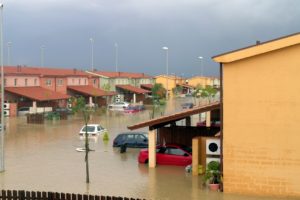
The residence had sustained significant floodwater intrusion.
Flooding had carried mud and debris into the structure, creating conditions that could not be addressed through water extraction and air-moving equipment alone.
Affected flooring and other non-salvageable materials required removal to expose underlying areas and allow proper cleaning and drying. The amount of debris generated during the cleanup illustrates the difference between a conventional water loss and a significant flood event.
After removal of bulk debris and contaminated materials, the remaining structure could be evaluated, cleaned, and dried more effectively.
Restoration Timeline
Remediation Timeline
1. Flood Damage Evaluation
Affected areas were evaluated to determine the extent of floodwater intrusion, accumulated mud and debris, affected building materials, and remaining moisture conditions.
2. Muck-Out and Debris Removal
Accumulated mud, flood debris, and non-salvageable materials were physically removed from the affected portions of the residence.
3. Selective Material Removal
Flood-damaged materials that could not appropriately be restored were removed to provide access to affected structural areas and facilitate cleaning and drying.
4. Pressure Washing and Structural Cleaning
Appropriate exposed surfaces were pressure washed and professionally cleaned to remove remaining mud and flood-related contamination.
5. Structural Drying
Professional drying equipment was used to reduce remaining moisture within affected structural materials.
6. Moisture Management
Conditions were managed during the drying process to help determine when affected materials had reached appropriate drying goals.
7. Mold-Related Treatment
Mold-related conditions associated with the flood event were addressed as part of the remediation process.
8. Preparation for Restoration
Following removal, cleaning, drying, and remediation activities, affected portions of the property were prepared to move forward into the repair and restoration phase.
Scope Highlights
- Residential flood cleanup
- Floodwater and mud removal
- Muck-out of affected areas
- Removal of flood-related debris
- Selective removal of non-salvageable materials
- Pressure washing of appropriate structural surfaces
- Detailed structural cleaning
- Controlled structural drying
- Moisture management and monitoring
- Mold-related treatment
- Flood damage remediation
- Preparation for reconstruction and restoration
Equipment Deployed
Frequently Asked Questions
Frequently Asked Questions
Who cleans up a house after major flooding?
A professional water damage restoration company experienced in flood cleanup can handle water removal, muck-out, debris removal, structural cleaning, drying, moisture monitoring, and related remediation services.
What does “mucking out” a flooded house mean?
Mucking out is the physical removal of mud, sediment, debris, damaged contents, and non-salvageable materials left inside a structure following flooding. It is often one of the first major steps after floodwater recedes.
Can you just pressure wash the inside of a flooded house?
Not indiscriminately. Pressure washing can be useful on certain appropriate exposed surfaces during major flood cleanup, but the materials and construction of the affected area must be considered. Some materials require different cleaning methods or removal rather than pressure washing.
Why does flooring sometimes have to be removed after flooding?
Water and contamination can migrate underneath flooring and become trapped between layers. Removing affected flooring may be necessary to access the underlying materials for cleaning, evaluation, and structural drying.
Does everything touched by floodwater have to be thrown away?
Not necessarily. Salvageability depends on the material, contamination, physical damage, duration of exposure, and whether the item or building component can be appropriately cleaned and restored.
Can mold develop after a flood?
Yes. Flooding introduces substantial moisture into a structure, and materials that remain wet can create conditions favorable for mold growth. Rapid removal of water and contamination followed by appropriate structural drying is important.
When can reconstruction begin after a flood?
Reconstruction should generally begin after affected areas have been appropriately cleaned and the materials that will remain in place have reached suitable moisture conditions. Rebuilding over materials that remain excessively wet can create additional problems later.
Is flood cleanup the same as cleaning up a broken water pipe?
No. A major outdoor flood can introduce mud, sediment, debris, microorganisms, and other contaminants that generally require a more extensive cleaning and remediation process than many clean-water plumbing losses.
Need Major Flood Cleanup?
ServiceMaster SRQ provides professional water damage restoration, flood cleanup, muck-out and debris removal, structural drying, mold remediation, and specialty environmental cleaning.
When a flood leaves a home filled with water, mud, and debris, the job is not simply to make the property look clean again. The structure needs to be systematically cleared, cleaned, dried, and evaluated before reconstruction proceeds.
Call ServiceMaster SRQ at 941-377-2455 for professional water damage and flood restoration services.
"Key Takeaway A house filled with floodwater and mud requires a very different cleanup process than an ordinary plumbing leak. Once floodwater has carried soil, debris, and other contamination into a structure, simply pumping out the water and placing drying equipment is not enough. The physical contamination must first be removed so affected surfaces and structural materials can be properly accessed. That can mean mucking out the structure, removing damaged materials, hauling away substantial quantities of debris, and pressure washing appropriate exposed surfaces before detailed cleaning and structural drying can effectively proceed. This project also demonstrates why homeowners should not automatically begin rebuilding immediately after the visible water and mud are gone. Moisture can remain within structural materials even after surfaces appear dry. The proper sequence is to remove the contamination, clean the structure, dry the affected materials, address mold-related conditions where necessary, and then move forward with restoration."
Have a similar issue?
ServiceMaster SRQ provides 24/7 emergency water damage restoration, mold remediation, fire damage cleanup, demolition, and specialty cleaning throughout Sarasota and Manatee Counties. Contact us today to schedule an inspection or request emergency service.
Call 941-377-2455 NowRelated Case Studies

More Case Studies
Should You Clean the Air Handler and Ducts When Mold Is Found in the HVAC System in Sarasota?
View Project →
Hurricane Water Damage Mitigation and Flood Restoration in Apollo Beach, Florida
View Project →