
Should the HVAC System Be Cleaned When Surface Mold Is Found in a Sarasota, FL Home?
Should the HVAC System Be Cleaned When Surface Mold Is Found in a Sarasota, FL Home?
Surface Mold Remediation
Project Quick Facts
Location
Sarasota, Florida
Service
Surface mold remediation
Property
Home
Cause
HVAC failure
Equipment
Roto Brush, Air Scrubbers
PRV
Post Remediation Testing passed
Short Answer
An HVAC system does not automatically require cleaning simply because surface mold is found elsewhere in a home. However, when inspection identifies contamination or accumulated debris within the air handler or duct system, including the HVAC components in the cleaning scope may be appropriate.
In this Sarasota project, visible mold-related conditions affected numerous household surfaces and contents. The HVAC system was also addressed, allowing the project to combine detailed surface cleaning with professional air handler and duct cleaning.
Inspection & Findings
Inspection & Findings
The visible conditions within the home immediately demonstrated that this was more than an isolated spot requiring simple household cleaning.
Mold-related surface contamination was present on multiple types of materials.
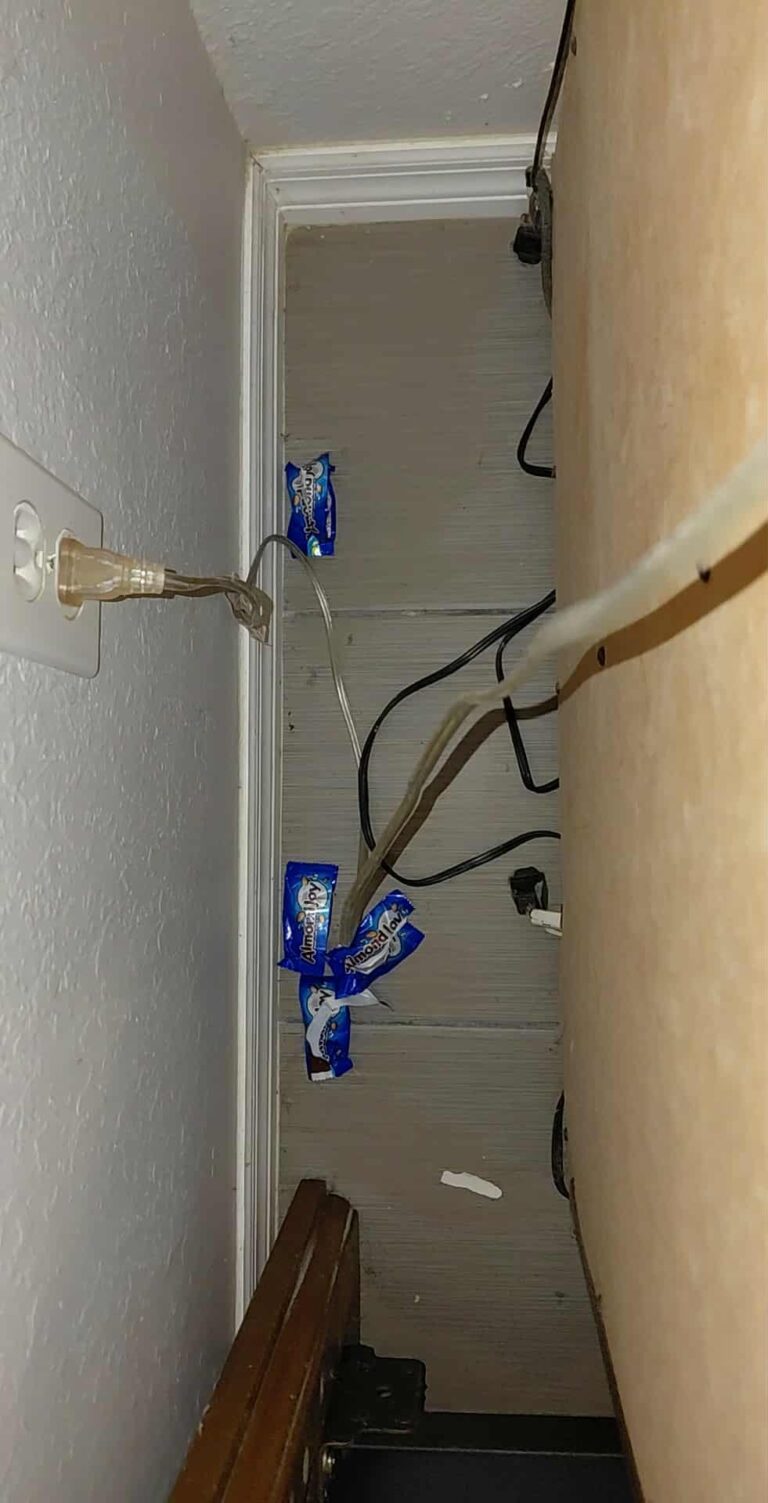
The affected items included hard-surface furniture, doors and trim, upholstered furniture, and other household contents. Some contamination was also present in less visible locations, including surfaces behind furniture.
These locations matter.
When evaluating a property with widespread surface growth, simply cleaning the obvious areas may overlook contamination on the backs, bottoms, undersides, and concealed surfaces of furniture and contents.
The photographs from this project demonstrate that clearly.
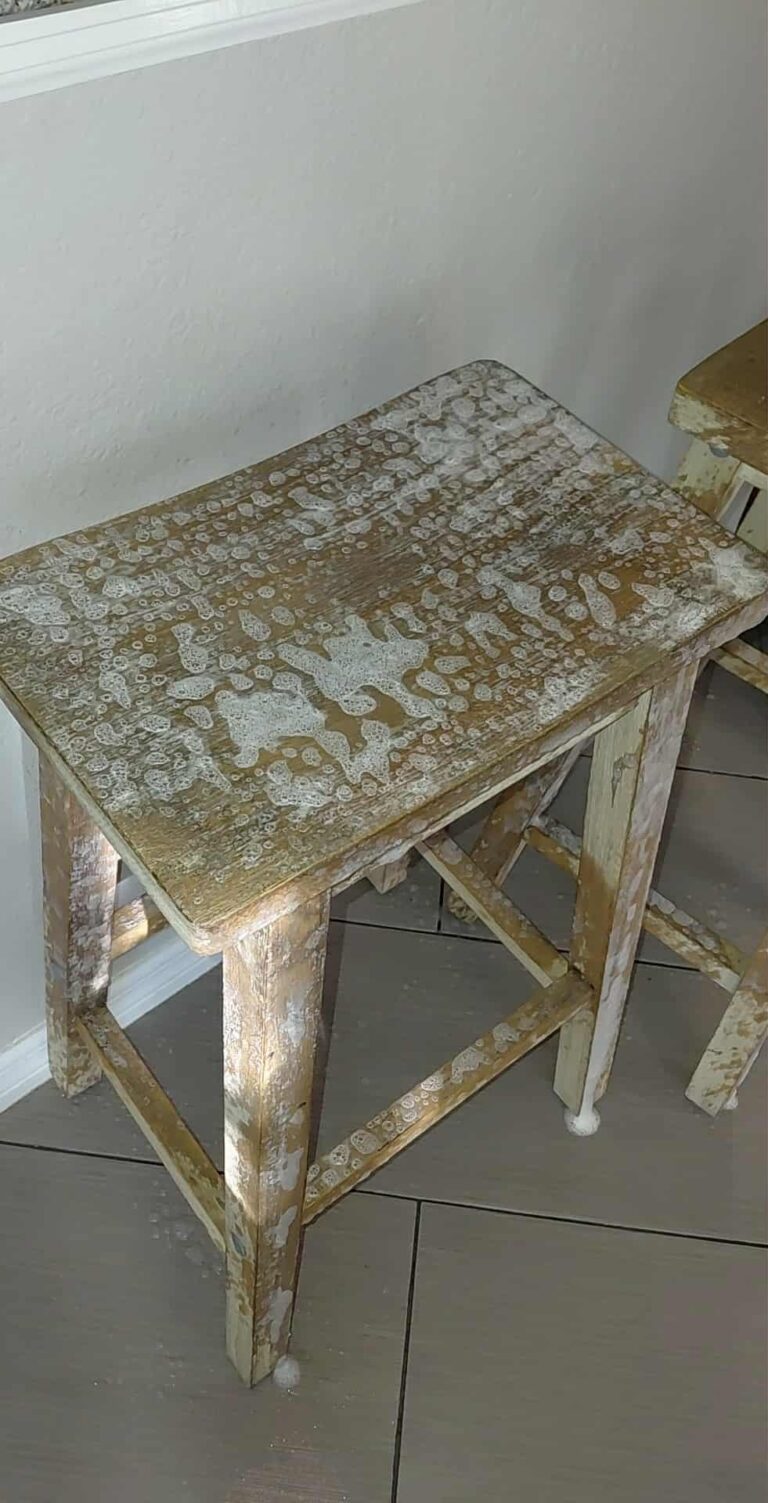
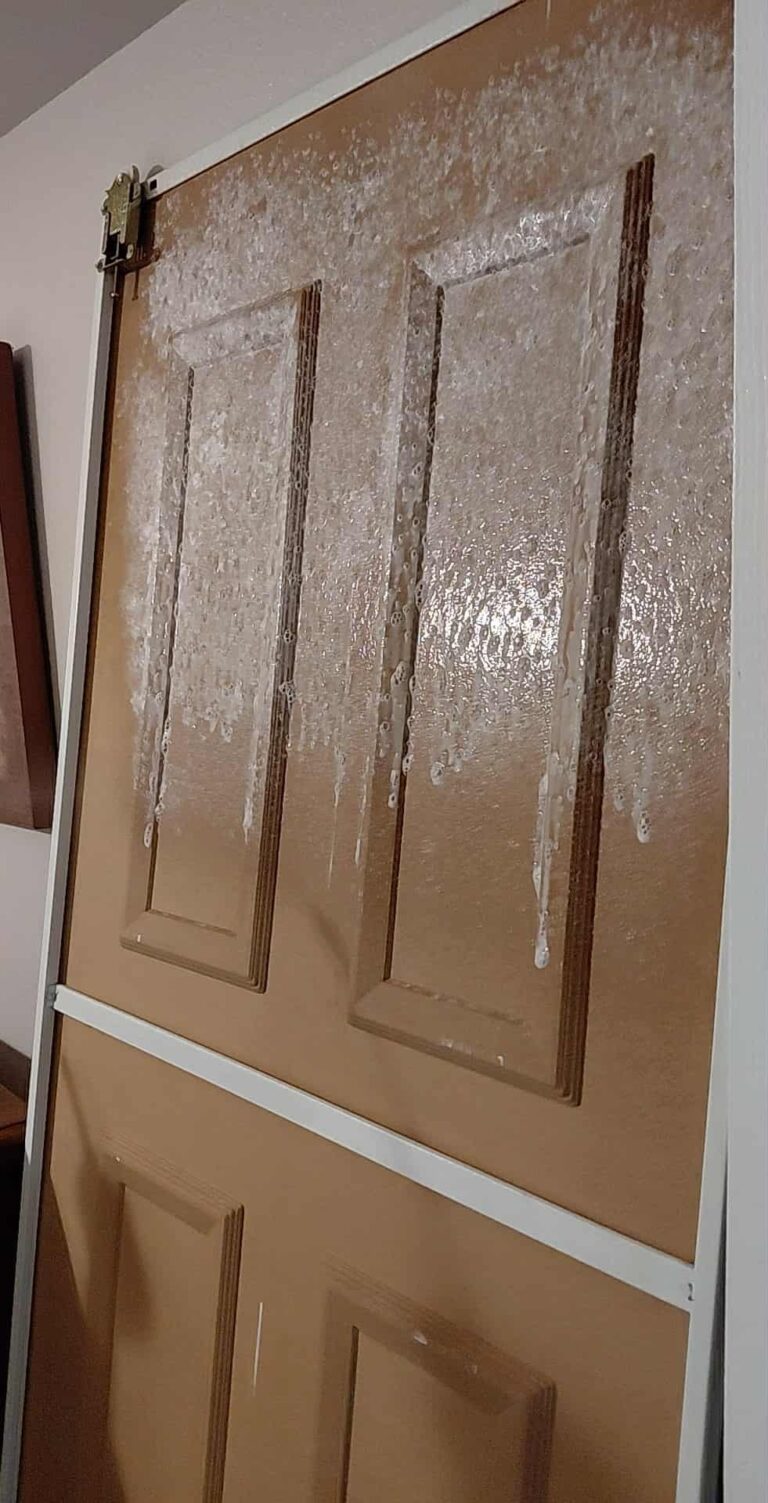
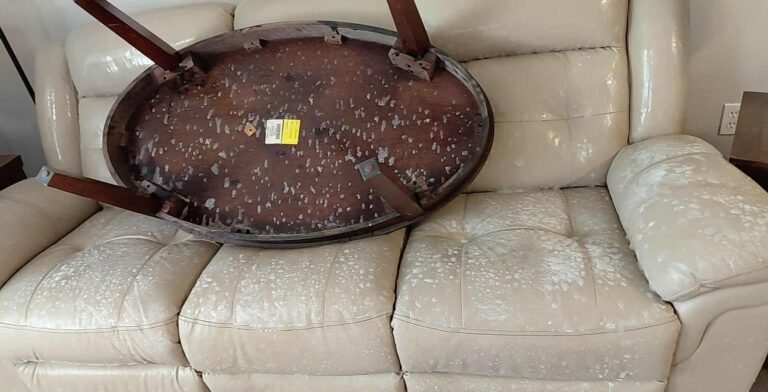
One table shows extensive visible surface growth across the top, legs, and supports. A door displays significant contamination across a large portion of its surface. Upholstered furniture and the underside of a table also show visible conditions requiring attention.
These findings supported a detailed surface-cleaning approach rather than cosmetic spot cleaning.
Why Can Surface Mold Affect So Many Items?
Mold growth is associated with moisture conditions.
When environmental conditions remain favorable for microbial growth, mold may develop on settled organic material and dust present on numerous surfaces—even materials that are not themselves experiencing a direct plumbing leak.
This is why a home experiencing elevated moisture or humidity conditions can sometimes develop surface growth across seemingly unrelated objects.
Furniture, doors, trim, contents, and areas behind furnishings may all be affected.
That distinction can significantly change the remediation strategy.
A water-damaged wall assembly may require removal of affected porous building materials. Surface contamination on a structurally sound, cleanable item may instead be addressed through appropriate physical cleaning procedures.
The goal is not simply to make visible discoloration disappear.
The goal is to physically remove contamination from materials determined to be suitable for cleaning.
Why Detailed Cleaning Matters
Surface mold cleaning can be considerably more labor-intensive than homeowners initially expect.
A contaminated piece of furniture cannot necessarily be considered addressed simply because its most visible surface has been wiped.
Depending on the item and conditions, cleaning may involve:
- Tops and exposed surfaces
- Sides and edges
- Legs and supports
- Undersides
- Backs of furniture
- Areas between components
- Adjacent flooring and wall surfaces
- Other accessible surfaces where contamination has accumulated
The photographs from this project demonstrate why that level of detail can be necessary.
Growth was not confined to one convenient horizontal surface. It occurred on vertical, horizontal, exposed, and partially concealed surfaces.
That requires methodical cleaning rather than simply walking through the property treating obvious spots.
Why Was the HVAC System Included?
One of the most common questions homeowners have after discovering mold is whether their ductwork also needs to be cleaned.
There isn't a universal answer.
Finding mold somewhere in a residence does not, by itself, establish that the HVAC system requires cleaning.
The HVAC system should be evaluated based on its own conditions.
In this project, the air handler and associated ductwork were included in the cleaning scope. Accessible HVAC components were professionally cleaned to remove accumulated contamination and debris identified within the system.
This provided a more comprehensive approach than addressing household surfaces while ignoring HVAC components that independently required attention.
Air Handler Cleaning
The air handler contains several components that can accumulate dust and debris over time.
Depending on system design and conditions, accessible components may require detailed cleaning as part of an HVAC cleaning project.
Cleaning the air handler is different from simply replacing an HVAC filter.
A filter is an important maintenance component, but it does not clean contamination already deposited elsewhere within accessible portions of the equipment.
For this project, the air handler was professionally cleaned as part of the overall environmental cleaning scope.
Air Duct Cleaning
The associated ductwork was also addressed.
Professional duct cleaning is intended to physically remove accumulated particulate and contamination from accessible portions of the duct system using equipment and procedures appropriate for the system.
This distinction is important because duct cleaning should not be treated as an automatic add-on every time mold is discovered in a house.
The need should be based upon actual conditions.
When the HVAC components themselves require cleaning, however, coordinating that work with the environmental cleaning of the residence can prevent one portion of the property from being overlooked while another is being addressed.
Cleaning Instead of Unnecessary Demolition
Another important lesson from this project is that visible mold does not automatically equal demolition.
Materials respond differently to contamination.
Some porous materials may be difficult or impractical to remediate depending on their condition and extent of contamination. Other materials can potentially be cleaned effectively.
That determination should be made based upon the material and actual conditions encountered.
In this property, the contamination was primarily addressed through targeted surface cleaning rather than unnecessary removal of unaffected building materials.
That approach allowed salvageable furnishings and surfaces to be addressed while keeping the remediation scope appropriate to the conditions present.
Restoration Timeline
Restoration Timeline
1. Property Evaluation
The affected areas and contents were evaluated to determine the extent and nature of visible surface contamination.
2. Development of Cleaning Scope
Materials and surfaces appropriate for cleaning were identified, allowing the project to focus on contamination removal rather than unnecessary demolition.
3. Detailed Surface Cleaning
Affected furniture, household contents, and accessible interior surfaces were professionally cleaned and treated.
4. Cleaning of Concealed and Detailed Areas
Accessible backs, undersides, edges, supports, and other less-visible surfaces were addressed where required by the project conditions.
5. HVAC Air Handler Cleaning
Accessible components of the air handler were professionally cleaned to address accumulated contamination and debris.
6. Air Duct Cleaning
Associated accessible ductwork was cleaned as part of the HVAC portion of the project.
7. Completion of Environmental Cleaning
The coordinated cleaning scope addressed both affected household surfaces and HVAC components requiring service.
Equipment Deployed
Project Gallery
Frequently Asked Questions
Frequently Asked Questions
Does furniture with visible mold always have to be thrown away?
No. Whether an item can be cleaned depends on the material, its condition, accessibility, extent of contamination, and other project-specific factors. Some materials may be suitable for professional cleaning while others may require removal.
Does finding mold in my house mean my air ducts are contaminated?
Not necessarily. Mold elsewhere in a residence does not automatically establish contamination within the HVAC system. The air handler and ductwork should be evaluated based on their own conditions.
Can mold grow on furniture even if the furniture never got wet from a leak?
Yes. Mold-related surface growth can occur when environmental moisture conditions are favorable, particularly where dust and organic material have accumulated on surfaces.
Why isn't simply wiping visible mold off enough?
Visible contamination may extend to backs, undersides, edges, joints, and other less-visible surfaces. Professional remediation focuses on appropriate physical removal of contamination rather than merely improving the appearance of the easiest surfaces to reach.
Should the air handler and ductwork be cleaned at the same time?
When both require cleaning, coordinating the work can make sense as part of the overall environmental cleaning project. However, HVAC cleaning should be based on conditions within the system rather than automatically performed solely because mold was found elsewhere in the home.
Need Help With Surface Mold or HVAC Contamination?
When mold-related conditions affect furniture, household contents, interior surfaces, or HVAC components, determining what can be cleaned, what may require removal, and whether the HVAC system actually needs attention is an important first step.
ServiceMaster SRQ provides professional mold remediation, detailed surface cleaning, air handler cleaning, and air duct cleaning throughout Sarasota, Bradenton, Venice, Lakewood Ranch, and surrounding Gulf Coast communities.
Call ServiceMaster SRQ at 941-377-2455 to schedule an evaluation.
"Key Takeaway Finding visible mold throughout a home does not necessarily mean the house needs extensive demolition—and finding mold in the home does not automatically mean the ductwork requires cleaning. Both decisions should be based on actual conditions. This Sarasota project involved substantial visible surface contamination affecting furniture, household contents, and interior surfaces. Many of those materials could be addressed through detailed professional cleaning rather than simply being removed or discarded. At the same time, conditions within the HVAC system warranted professional cleaning of the air handler and associated ductwork. The result was a coordinated approach that addressed the areas requiring cleaning without automatically expanding the project into unnecessary demolition."
Have a similar issue?
ServiceMaster SRQ provides 24/7 emergency water damage restoration, mold remediation, fire damage cleanup, demolition, and specialty cleaning throughout Sarasota and Manatee Counties. Contact us today to schedule an inspection or request emergency service.
Call 941-377-2455 NowRelated Case Studies

More Case Studies
Small Attic Mold Remediation After Secondary Roof Leak – University Park, FL 34201
View Project →
Can Structural Drying and Controlled Demolition Save Your Home After Water Damage in Bradenton, Florida?
View Project →