Mold Remediation: Understanding and Conquering the Silent Culprit with ServiceMaster SRQ
ServiceMaster SRQ is the leading provider of mold remediation in Sarasota, Bradenton, Venice, Palmetto, and surrounding areas.
Introduction:
Mold is a common household problem that can cause significant health issues and structural damage if left unaddressed. Mold remediation is the process of identifying, containing, and removing mold from affected areas. In this article, we will explore the importance of mold remediation, the steps involved, effective preventative measures, and the benefits of professional mold remediation services.
- The Dangers of Mold:
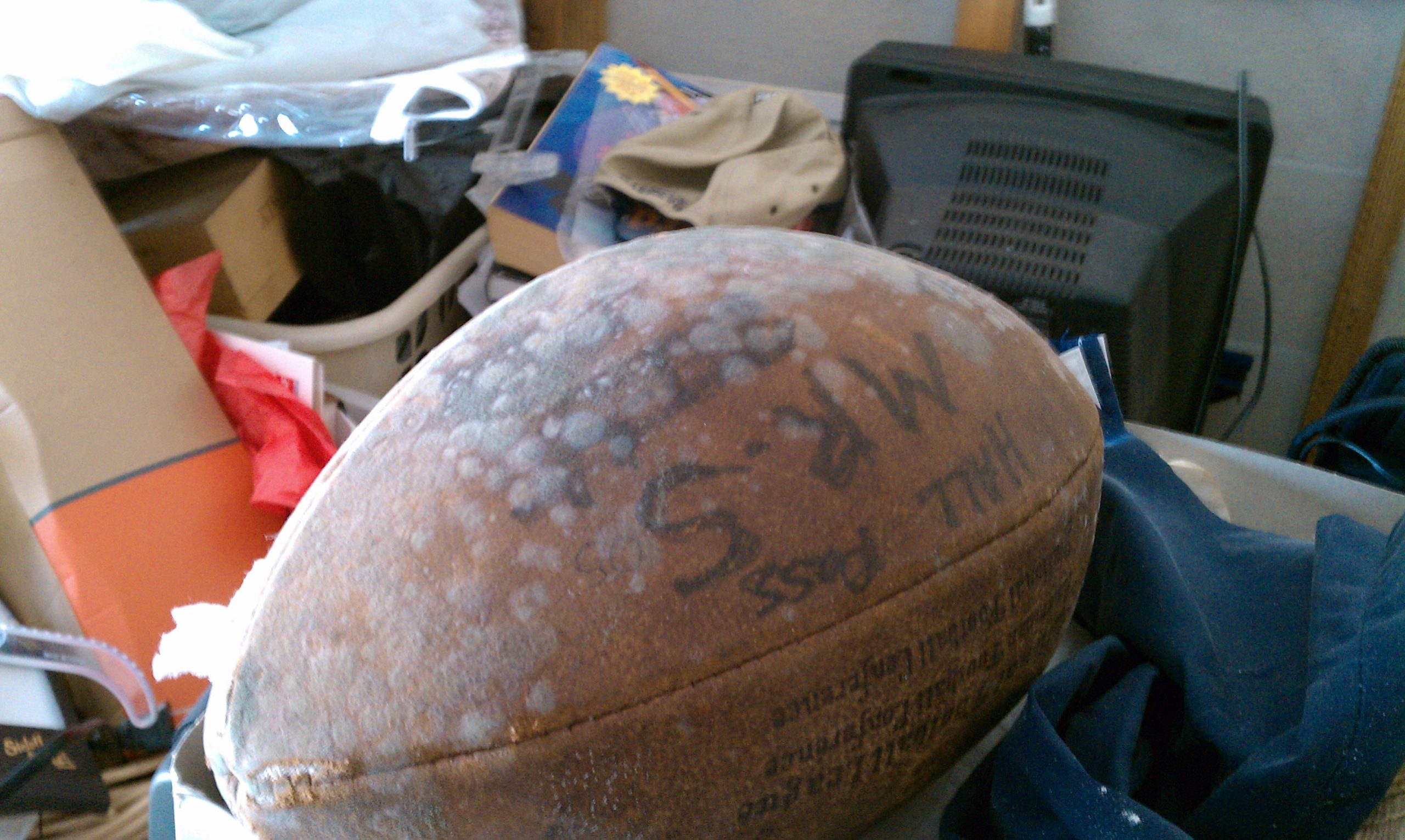
Mold, a type of fungi, thrives in damp and humid environments. It releases spores into the air, which can cause respiratory problems, allergic reactions, and exacerbate existing conditions such as asthma. Additionally, mold can deteriorate building materials, leading to structural damage and reducing property value. Prompt and thorough mold remediation is crucial to safeguard both health and property.
- Identifying Mold Infestations:
Identifying mold infestations can be challenging, as mold often grows in hidden or hard-to-reach areas. Common signs include musty odors, visible black or green patches, and a sudden onset of allergy-like symptoms in occupants. Professional mold inspectors use moisture meters, thermal imaging cameras, and air sampling techniques to identify and assess mold growth accurately.
- The Mold Remediation Process:
a. Containment: To prevent the spread of mold spores during remediation, professionals establish containment barriers using plastic sheets and negative air pressure systems. This containment area isolates the affected space and protects the rest of the property from cross-contamination.
b. Mold Removal: The removal process depends on the severity of the infestation and the affected materials. Non-porous surfaces can be cleaned using specialized cleaning agents, while porous materials may require more extensive removal, such as discarding and replacing.
c. Cleaning and Disinfection: Once the mold is removed, affected surfaces should be thoroughly cleaned using HEPA filtration equipment and antimicrobial solutions to eliminate any remaining mold spores.
d. Drying and Dehumidification: Addressing the source of moisture is critical to prevent future mold growth. Professional remediation teams utilize industrial-grade dehumidifiers and drying equipment to reduce humidity levels, ensuring a dry and uninhabitable environment for mold.
e. Prevention: After the remediation process, it is essential to implement preventative measures such as fixing water leaks, improving ventilation, and controlling humidity levels to minimize the chances of mold regrowth.
- The Benefits of Professional Mold Remediation Services:
Hiring certified mold remediation professionals offers several advantages:
a. Expertise and Experience: Professional mold remediation teams possess the knowledge, experience, and tools necessary to handle mold infestations while adhering to industry guidelines.
b. Safety Measures: Professionals ensure the safety of both occupants and technicians during the remediation process, as they are equipped with personal protective equipment (PPE) and follow proper containment procedures.
c. Thoroughness: Professionals conduct comprehensive inspections, address the root causes of mold growth, and implement effective remediation strategies, minimizing the risk of recurring mold problems.
d. Time and Cost Savings: Prompt mold remediation mitigates the extent of damage, reducing repair costs and potential health complications associated with prolonged exposure to mold.
Conclusion:
Mold remediation is a critical process that protects both your health and the structural integrity of your property. By understanding the dangers of mold, recognizing signs of infestation, and engaging professional remediation services, you can effectively combat mold growth and create a safe living environment. Remember, prevention is key in maintaining a mold-free home – so be proactive in identifying and addressing any moisture-related issues promptly.