
Can Mold Be Limited to Hidden Areas Under Stairs or Behind a Bathroom Vanity in Bradenton, FL?
Can Mold Be Limited to Hidden Areas Under Stairs or Behind a Bathroom Vanity in Bradenton, FL?
Mold Cleaning
Project Quick Facts
Location
Bradenton, Florida
Service
Localized remediation designed to address identified affected materials while limiting unnecessary disturbance to surrounding areas Timeline: Remediation followed by protective coating and finish restoration
Property
Home
Cause
Moisture-related conditions affecting concealed building materials
Equipment
Air Scrubbers, containment, painting
Short Answer
Yes. Mold-related conditions can sometimes be limited to specific concealed areas such as beneath stairs or behind a bathroom vanity. Moisture can affect hidden building materials without producing obvious conditions throughout the surrounding room. In this Venice, Florida project, mold-related conditions were identified in two localized areas, allowing a targeted remediation approach rather than unnecessary removal or disturbance of unaffected materials.
Inspection & Findings
Inspection & Findings
Hidden areas deserve particular attention during a mold assessment because they can experience moisture conditions that are not readily visible from occupied portions of the home.
The space beneath a staircase is one example.
Depending on the home's construction, an under-stair cavity may contain enclosed framing, drywall, storage areas, mechanical penetrations, or other surfaces with limited airflow and visibility.
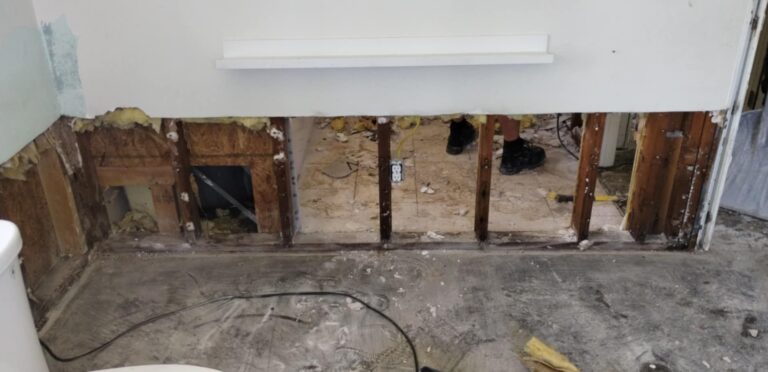
Similarly, bathroom vanities can conceal portions of walls, flooring, plumbing connections, and penetrations.
A bathroom may appear normal from the occupied side while moisture-related conditions exist behind the cabinetry.
During this project, mold-related conditions were identified in both of these localized areas.
The findings supported a targeted remediation scope focused on the affected locations rather than unnecessary removal of materials throughout otherwise unaffected areas.
Determining the proper boundaries of remediation is important. Professional mold remediation should address affected materials adequately while avoiding demolition simply for the sake of demolition.
Why Mold Can Develop in Concealed Areas
Mold growth requires suitable environmental conditions, including moisture and an available food source.
Many common building materials contain or collect organic material capable of supporting microbial growth when sufficient moisture is present.
Concealed building cavities can be particularly vulnerable because moisture may remain unnoticed.
A plumbing leak behind a vanity, moisture migration through adjacent materials, condensation, or another water-related condition may affect surfaces that homeowners rarely see.
The same principle applies beneath staircases and inside other enclosed architectural spaces.
This is one reason visible mold should not always be treated as a complete map of the affected area.
What matters is determining where the moisture originated, where it traveled, and which materials were actually affected.
Targeted Mold Remediation
Once the affected areas were identified, remediation could focus on those locations.
Targeted remediation can provide several advantages when conditions support that approach.
It allows affected materials and surfaces to be addressed while reducing unnecessary disruption to other portions of the home. It can also limit unnecessary demolition and the resulting reconstruction work.
That does not mean the smallest possible remediation area is automatically the correct one.
The scope must still be sufficient to access and address affected materials.
In this project, the under-stair area and bathroom vanity area were accessible for the required remediation procedures. Affected surfaces were professionally cleaned and treated according to the conditions encountered.
The cleaning process focused on physical removal of contamination from appropriate surfaces rather than simply attempting to conceal visible conditions.
Why Cleaning Comes Before Coating
An important distinction in mold remediation is the difference between cleaning an affected surface and coating it.
A protective coating should not be treated as a substitute for proper remediation.
Where coatings are appropriate, affected surfaces should first receive the cleaning and treatment required by the remediation scope. Applying a coating directly over unaddressed contamination would not accomplish the purpose of professional remediation.
For this project, affected surfaces were cleaned and treated first.
Following those remediation activities, a protective coating was applied to appropriate surfaces as part of the restoration process.
This sequencing matters.
The coating provided a finished protective layer after the underlying remediation work had already been performed rather than being used to hide or cover untreated conditions.
Finish Painting and Restoration
Mold remediation frequently leaves an area functionally remediated but not necessarily cosmetically finished.
That is where restoration work begins.
After the remediation and protective coating portions of this project were completed, finish painting was performed to restore the appearance of the treated areas.
Coordinating these phases allowed the project to move logically from identifying the affected areas through remediation and finally into finished restoration.
For the homeowner, that means the project did not simply end when the mold remediation equipment left the property. The affected areas were returned to an appropriate finished condition as part of the overall scope.
Restoration Timeline
Restoration Timeline
1. Identification of Localized Conditions
Mold-related conditions were identified beneath the staircase and behind the bathroom vanity.
The affected locations were evaluated to determine the appropriate remediation boundaries.
2. Access to Affected Areas
The concealed areas were accessed so affected surfaces and materials could be properly addressed.
3. Detailed Remediation Cleaning
Affected surfaces were professionally cleaned and treated as part of the targeted mold remediation process.
4. Protective Coating
After appropriate remediation cleaning and treatment, a protective coating was applied to designated surfaces.
5. Finish Painting
The treated areas received finish painting to restore their appearance and complete the restoration portion of the project.
6. Project Completion
The localized remediation and restoration work were completed without unnecessarily expanding the project into surrounding areas that were not part of the identified scope.
Equipment Deployed
Project Gallery
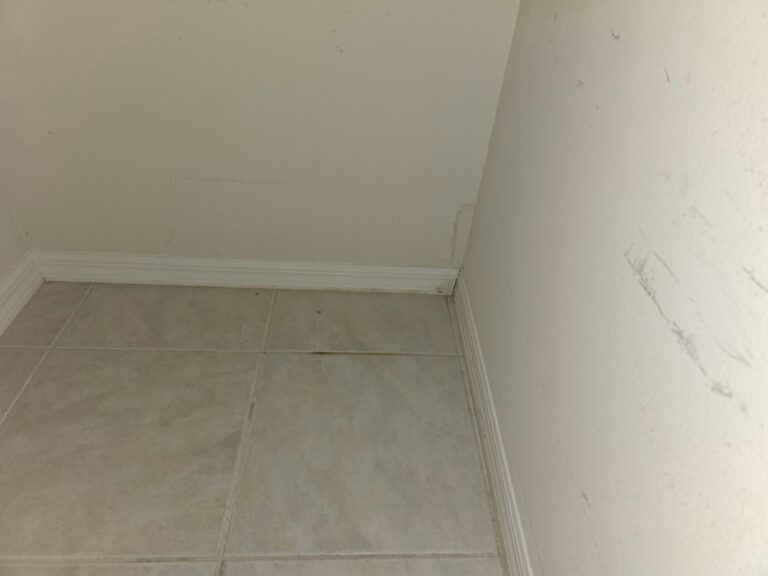
Frequently Asked Questions
Frequently Asked Questions
Can mold really grow behind a bathroom vanity without being obvious?
Yes. Vanities conceal walls, flooring, plumbing penetrations, and other surfaces. Moisture-related conditions can therefore develop behind or beneath cabinetry before there are obvious signs in the visible portion of the bathroom.
Does mold under a staircase mean the entire staircase has to be removed?
Not necessarily. The appropriate scope depends on which materials are affected, how accessible they are, and the extent of the identified conditions. Targeted access and remediation may be possible without removing the entire staircase assembly.
Does localized mold always require extensive demolition?
No. Some affected porous materials may require removal, while other materials may be capable of being professionally cleaned. The remediation scope should be based on the materials and conditions encountered rather than automatically assuming extensive demolition is required.
Can you just paint over mold after cleaning it?
Painting or coating should not be used as a substitute for proper remediation. Affected materials and surfaces should first be appropriately addressed. Where a protective coating is suitable, it can then be applied after the necessary cleaning and treatment have been completed.
How do you know whether hidden mold has spread farther?
Professional evaluation considers moisture conditions, visible observations, material condition, the history or source of moisture, and access to potentially affected areas. Additional investigation may be appropriate when conditions indicate that moisture or contamination could extend beyond the initially identified location.
Need Help With Mold in a Hidden Area?
If you discover mold beneath stairs, behind a bathroom vanity, inside cabinetry, or in another concealed area, the visible condition may be only one part of what needs to be evaluated.
ServiceMaster SRQ provides professional mold remediation throughout Venice, Sarasota, Bradenton, Lakewood Ranch, and surrounding Gulf Coast communities. We can evaluate affected areas and develop a remediation scope based on the conditions actually present rather than automatically recommending unnecessary demolition.
Call ServiceMaster SRQ at 941-377-2455 to schedule an evaluation.
"Key Takeaway Finding mold in one concealed area does not automatically mean mold is widespread throughout the home. Mold remediation should be based on inspection findings, moisture conditions, accessibility, affected materials, and the actual extent of the identified problem. In this Venice home, mold-related conditions were found in two specific concealed locations—beneath the stairs and behind a bathroom vanity. Because the affected areas could be identified and addressed individually, a targeted remediation approach allowed the necessary cleaning and treatment to be completed while limiting unnecessary disturbance to surrounding materials. Just as importantly, protective coating and finish painting occurred after the remediation work, allowing the project to progress from addressing the underlying condition to restoring the appearance of the affected areas. "
Have a similar issue?
ServiceMaster SRQ provides 24/7 emergency water damage restoration, mold remediation, fire damage cleanup, demolition, and specialty cleaning throughout Sarasota and Manatee Counties. Contact us today to schedule an inspection or request emergency service.
Call 941-377-2455 NowRelated Case Studies
More Case Studies
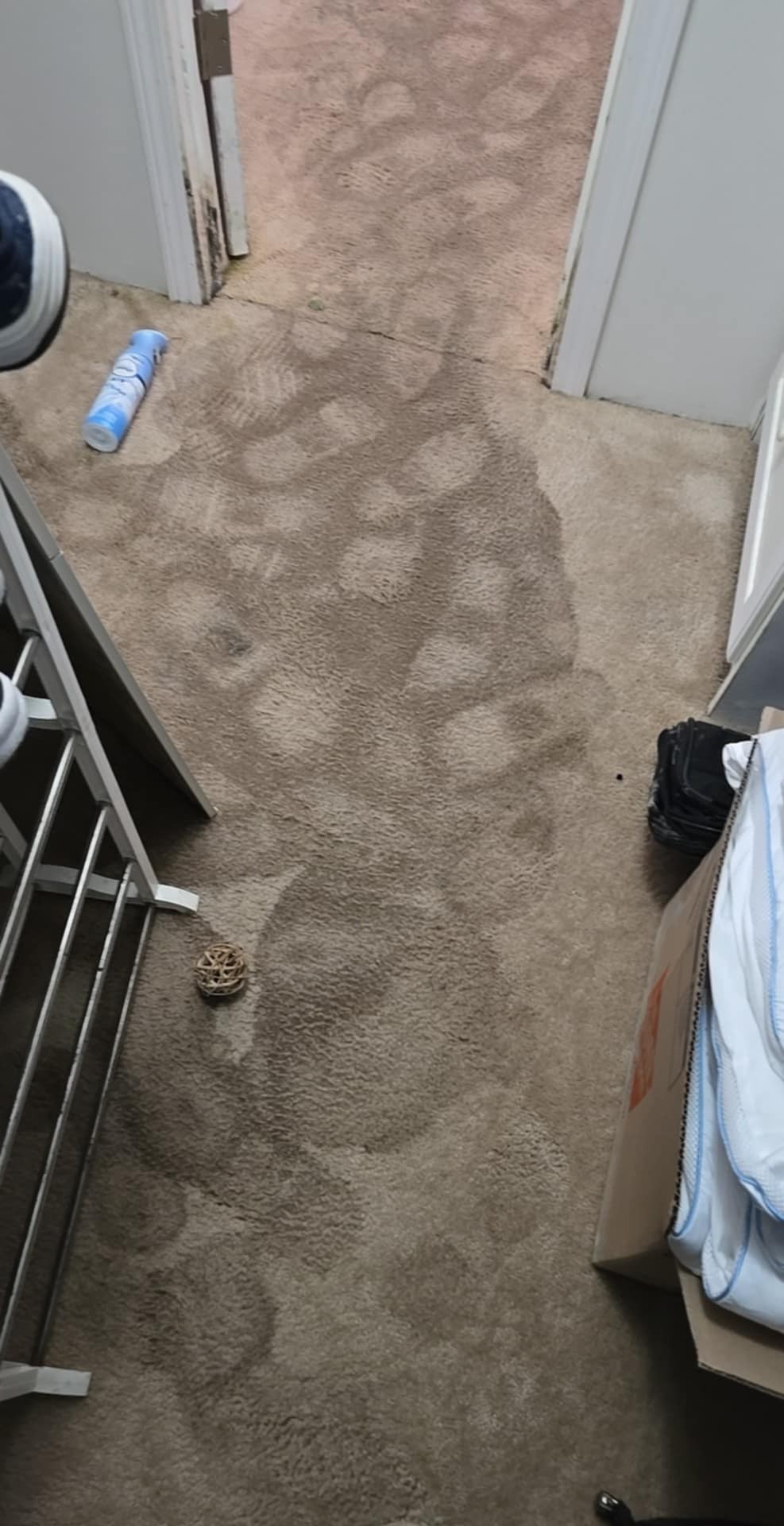
Can Water-Damaged Carpet Be Saved After a Water Loss in Bradenton, Florida?
View Project →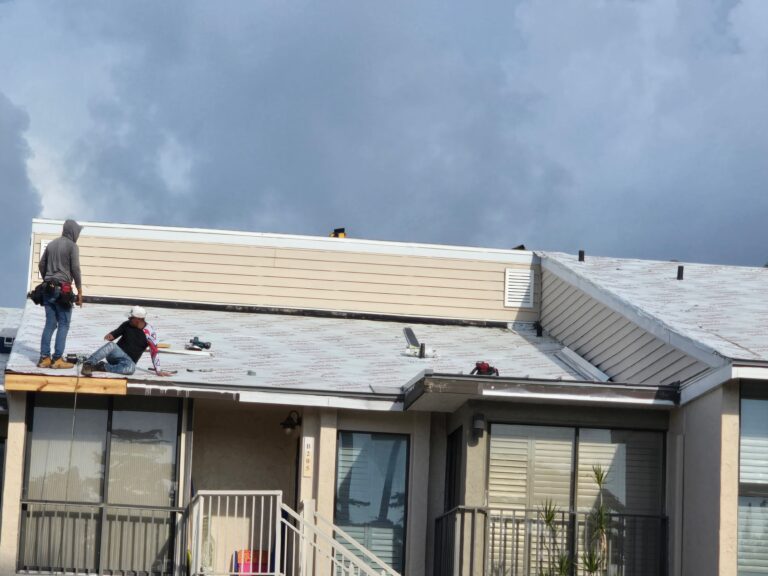
Multiple Roof Leak Repairs and Water Intrusion Control – Longboat Key, FL
View Project →