
How Do You Remove Construction Dust That Has Spread Throughout a Home in Longboat Key, FL?
How Do You Remove Construction Dust That Has Spread Throughout a Home in Longboat Key, FL?
Construction Cleaning
Project Quick Facts
Location
Longboat Key
Service
construction dust cleaning / detailed interior cleaning
Property
Home
Cause
Contractor-generated construction dust
Equipment
Roto Brush, Air Scrubbers , rotary, upholstery cleaning, rug cleaning, clothe cleaning
Short Answer
When construction dust spreads throughout a home, cleaning may need to extend far beyond the original work area. Fine dust can settle on walls, furniture, electronics, fixtures, countertops, flooring, and other surfaces throughout the residence. In this Longboat Key project, ServiceMaster SRQ performed detailed interior cleaning after contractor work generated dust that migrated throughout the home.
Inspection & Findings
Inspection & Findings
The residence was evaluated to determine the extent of construction-related dust migration.
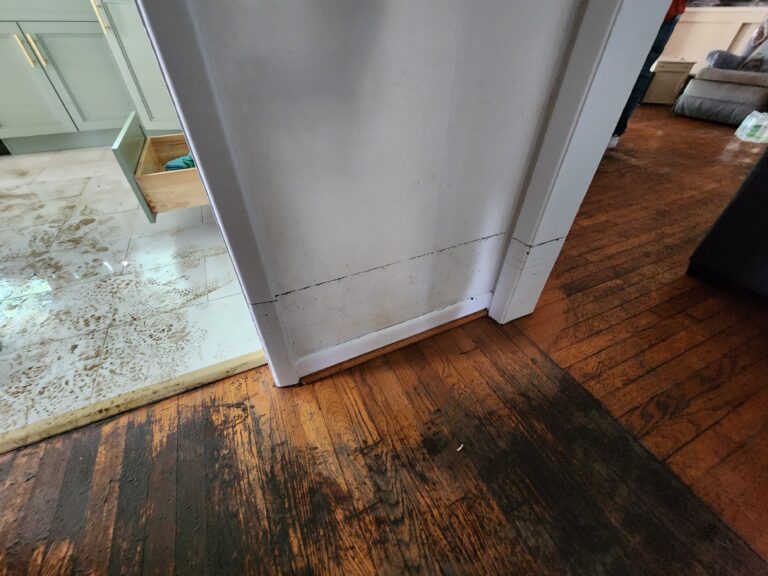
Visible dust and particulate accumulation were identified on surfaces away from the original work area, demonstrating that the contamination had spread beyond the location where the contractor performed the door modifications.
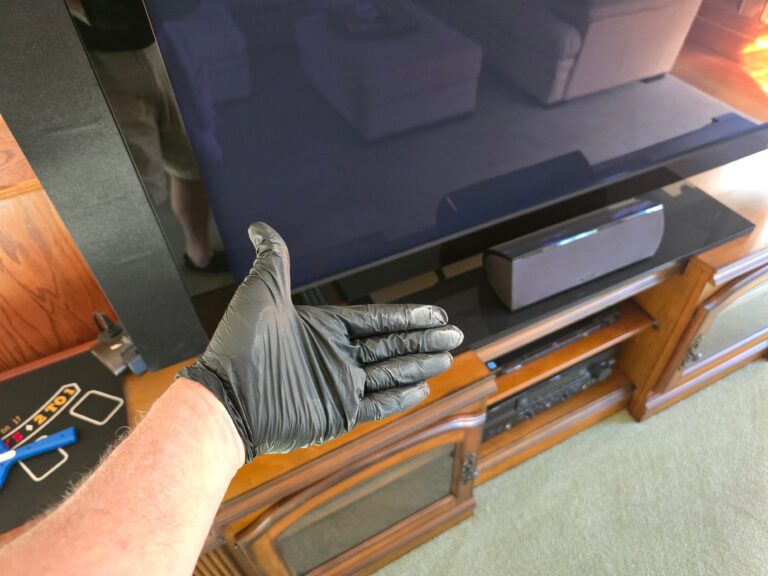
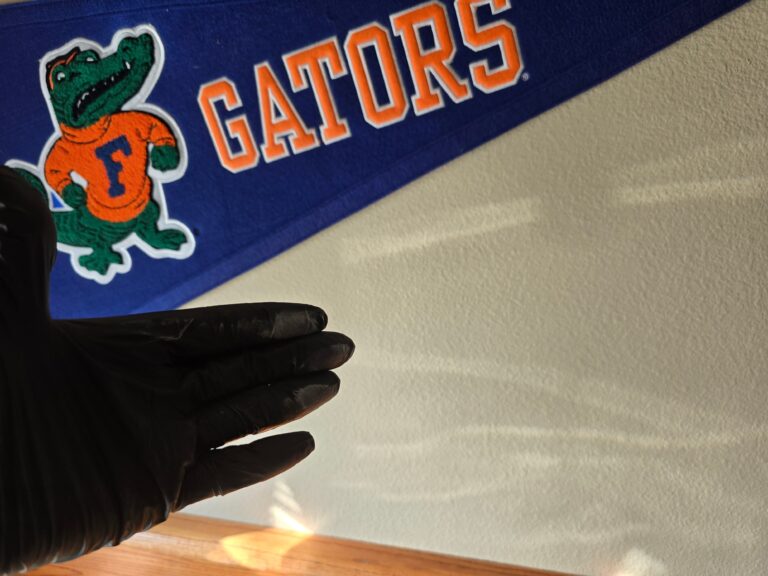
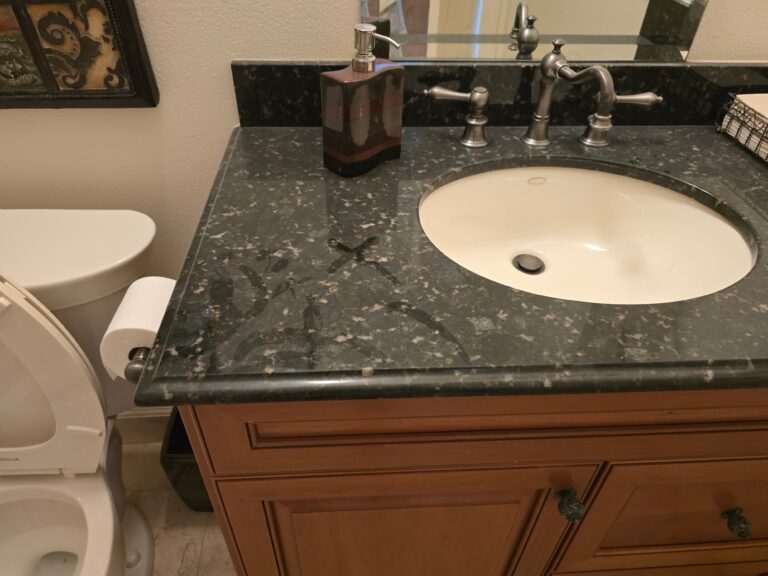
One simple but useful inspection method involved wiping surfaces with a clean gloved hand. Dark gloves made light-colored dust readily visible and helped demonstrate accumulation on surfaces that might otherwise appear relatively clean from normal viewing distance.
Dust was identified on a variety of surfaces and contents, including areas such as:
- Walls and other vertical surfaces
- Furniture and cabinetry
- Electronics and entertainment equipment
- Countertops and bathroom surfaces
- Decorative items and interior finishes
- Flooring and other horizontal surfaces
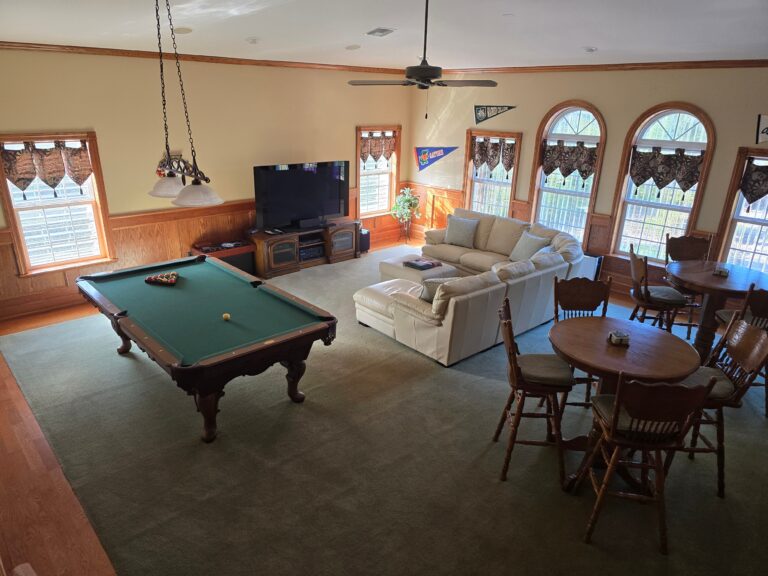
The size and contents of the residence also increased the complexity of the cleaning process. A large furnished home contains considerably more surface area than an empty construction space.
This distinction matters.
Cleaning construction dust from an occupied or furnished residence requires technicians to work around existing contents and finished materials while addressing numerous individual surfaces where particulate can settle.
The objective was therefore not simply conventional housekeeping. The cleaning scope was developed specifically around the construction-related particulate that had migrated through the residence.
Why Construction Dust Can Spread So Far
Many construction activities create extremely fine particulate.
Cutting, sanding, grinding, drilling, trimming, or modifying building materials can release dust small enough to remain airborne before eventually settling elsewhere.
Air movement within a residence can contribute to that migration. Normal movement through rooms, ceiling fans, HVAC operation, and other air currents can carry particulate away from the immediate work location.
This is one reason dust control should ideally begin before construction activities start.
Depending upon the work being performed, contractors may use localized containment, dust collection equipment, HEPA-filtered vacuums, air filtration, or other engineering controls to limit particulate migration.
Once dust has already spread throughout a furnished residence, however, the problem changes from dust prevention to detailed cleaning.
Restoration Timeline
Restoration Timeline
1. Identification of the Dust Problem
Construction-related dust was discovered beyond the immediate area where the door modification work had occurred.
The widespread nature of the particulate indicated that cleaning would need to address multiple areas of the residence rather than only the original construction location.
2. Evaluation of Affected Surfaces
Interior areas were inspected to determine where dust had settled.
Technicians evaluated accessible horizontal and vertical surfaces, furnishings, fixtures, electronics, countertops, cabinetry, flooring, and other components of the home.
3. Detailed Interior Surface Cleaning
Affected surfaces were systematically cleaned to remove accumulated construction dust.
A methodical approach is important during this type of work because disturbing settled particulate can potentially redistribute it to previously cleaned areas.
Cleaning therefore progresses in an organized manner rather than simply addressing whichever surfaces appear dirtiest.
4. Cleaning Around Furnishings and Contents
The residence remained furnished, requiring cleaning around numerous contents and finished surfaces.
Electronics and furniture required particular care because cleaning methods appropriate for durable building materials may not be appropriate for sensitive equipment or finished wood surfaces.
5. Final Review
Cleaned areas were reviewed as work progressed to identify remaining dust accumulation and surfaces requiring additional attention.
The goal was to address the construction-related particulate identified throughout the affected areas while protecting the home's existing finishes and contents.
Why Top-to-Bottom Cleaning Matters
Construction dust does not settle only on floors.
It can accumulate on walls, trim, furniture, fixtures, electronics, countertops, window components, decorative surfaces, and countless other areas.
For that reason, simply vacuuming carpets or mopping hard flooring does not address widespread construction dust.
A systematic top-to-bottom cleaning process helps prevent dust removed from higher surfaces from contaminating areas that have already been cleaned below.
The appropriate cleaning method can also vary considerably depending upon the material involved. Painted drywall, finished wood, stone countertops, electronics, upholstery, and flooring cannot necessarily be treated the same way.
Professional post-construction cleaning therefore involves both particulate removal and selecting cleaning methods appropriate for the surfaces being addressed.
Equipment Deployed
Project Gallery
Frequently Asked Questions
Frequently Asked Questions
Can construction dust really spread throughout an entire house?
Yes. Fine particulate generated by cutting, sanding, grinding, or modifying building materials can become airborne and migrate well beyond the immediate work area. Air movement and HVAC operation may contribute to the distribution of dust throughout a residence.
Is normal house cleaning enough to remove construction dust?
It depends on the extent of contamination. Localized light dust may be manageable with ordinary cleaning, but widespread construction dust can require detailed cleaning of walls, furniture, fixtures, electronics, cabinetry, flooring, and other surfaces throughout the property.
Should the HVAC system be inspected after a major construction dust event?
It may be appropriate when significant airborne dust was generated, particularly if the HVAC system operated while the work occurred. The circumstances of the project should determine whether HVAC components or ductwork warrant further evaluation.
Why do you clean construction dust from the top down?
Cleaning higher surfaces first helps reduce the chance of dust falling onto areas that have already been cleaned. Working systematically also makes it easier to track completed areas in a large furnished residence.
Who is responsible when a contractor spreads construction dust throughout a home?
Responsibility depends upon the contract, circumstances, cause of the dust migration, and other project-specific facts. Regardless of who ultimately bears the cost, documenting the condition with photographs and identifying the extent of affected areas can be important before cleanup begins.
Need Construction Dust Cleaning in Longboat Key or Sarasota?
When construction, remodeling, sanding, cutting, or contractor work leaves dust throughout your home, the affected area may extend considerably farther than the original work site.
ServiceMaster SRQ provides detailed post-construction and specialty interior cleaning throughout Longboat Key, Sarasota, Bradenton, Lakewood Ranch, and surrounding Gulf Coast communities. We can evaluate the extent of the dust migration and develop a cleaning scope based on the surfaces and areas actually affected.
"Key Takeaway Construction dust should be controlled at the source whenever possible. A relatively localized construction activity can become a whole-house cleaning problem when dust containment and collection are inadequate. Homeowners having cutting, sanding, grinding, drywall, masonry, or similar work performed inside an occupied home should discuss dust-control procedures with the contractor before work begins. If construction dust has already migrated throughout the property, the cleaning scope should be based on the actual extent of contamination—not simply the size of the original construction area."
Have a similar issue?
ServiceMaster SRQ provides 24/7 emergency water damage restoration, mold remediation, fire damage cleanup, demolition, and specialty cleaning throughout Sarasota and Manatee Counties. Contact us today to schedule an inspection or request emergency service.
Call 941-377-2455 NowRelated Case Studies

More Case Studies
Flood Damage Water Mitigation and Mold Remediation in Sarasota, Florida
View Project →
Toilet Overflow Water Damage, Odor Treatment, and Crawl Space Cleaning – Longboat Key, FL 34228
View Project →