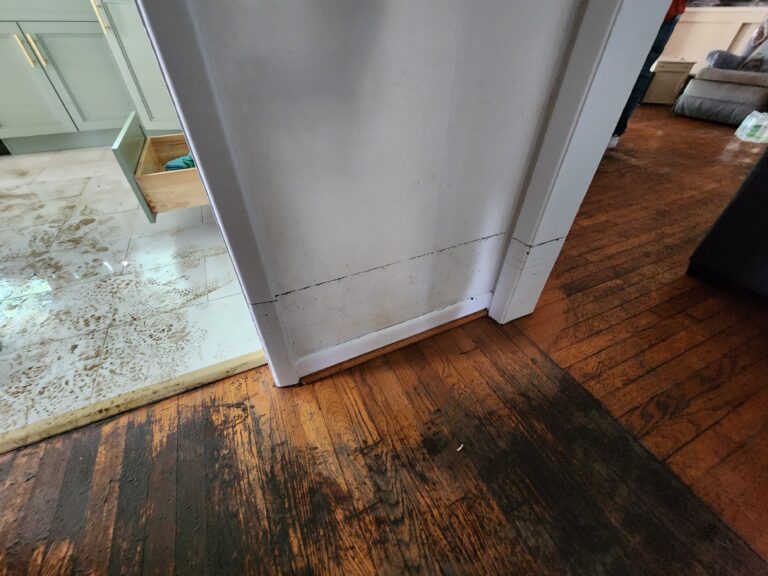
Short Answer Hardwood floors do not always require replacement after flooding. Professional moisture mapping and controlled structural drying can often stabilize and preserve hardwood flooring when drying begins promptly and the flooring remains structurally sound.
Short Answer Professional structural drying uses moisture mapping, specialized drying equipment, and ongoing moisture monitoring to remove trapped water from building materials before repairs begin. This process helps reduce the risk of secondary damage and prepares the structure for reconstruction.
Short Answer Yes. Hurricane water intrusion can saturate drywall, insulation, framing, flooring, and HVAC systems. If moisture is not quickly removed, mold can begin developing within 24 to 48 hours, making professional drying and remediation critical.
Short Answer Yes. Improperly sealed or leaking windows can allow water to penetrate wall cavities where moisture remains trapped behind drywall. Over time, this hidden moisture can support mold growth and damage framing, insulation, and interior finishes before homeowners notice visible signs.
Short Answer Yes. Even a slow HVAC condensate leak can introduce enough moisture to support mold growth on wood flooring and surrounding building materials. Identifying the moisture source, treating the affected surfaces, and drying the structure are essential steps to help prevent additional damage and prepare the property for continued occupancy.
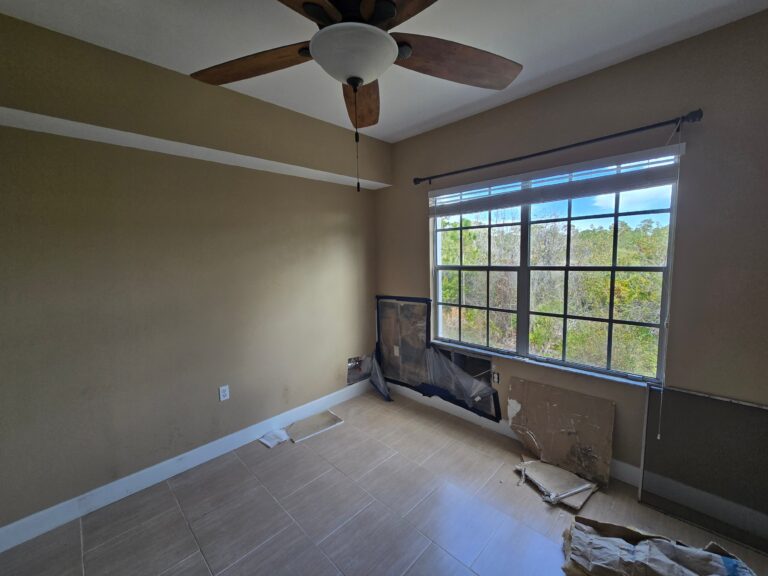
Short Answer Yes. Interior condominium demolition can be completed safely and efficiently when proper planning, common area protection, controlled debris handling, and coordination with condominium management are incorporated into the demolition process.
Short Answer Yes. Rapid emergency water mitigation can significantly reduce secondary damage by removing excess moisture before it migrates deeper into building materials. Professional moisture mapping and structural drying help stabilize the property and prepare it for restoration.
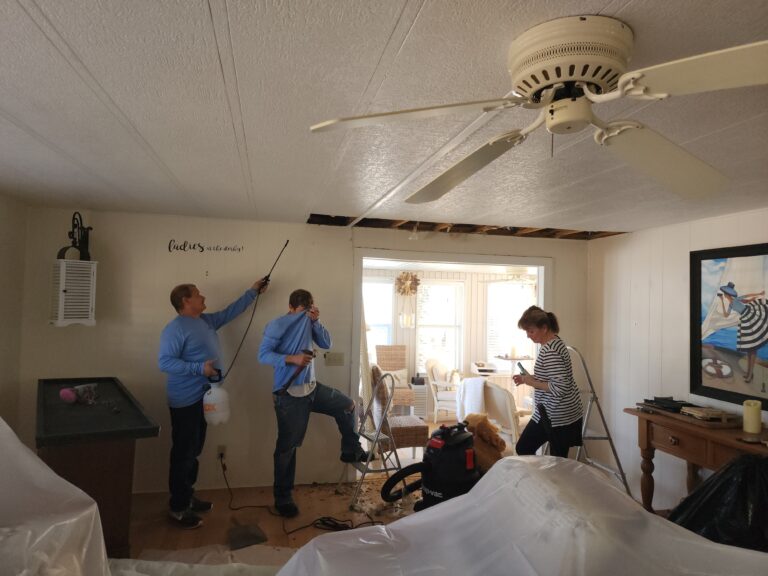
Short Answer Professional interior demolition creates the foundation for a successful reconstruction project. By removing only the materials required while protecting unaffected portions of the home, selective demolition helps reduce unnecessary damage, improves jobsite safety, and provides contractors with a clean, organized workspace for rebuilding.
Short Answer Hidden mold is frequently discovered only after bathroom demolition begins. When concealed moisture damage is uncovered, demolition should pause so the affected materials can be properly evaluated and remediated before reconstruction continues. Addressing hidden mold early helps prevent future problems and provides a clean foundation for rebuilding.
Short Answer No. Professional mold remediation should be based on inspection findings—not assumptions. When moisture mapping, exploratory inspections, and invasive testing confirm that drywall and wall cavities have not been affected, unnecessary demolition can often be avoided. This preserves sound building materials, reduces reconstruction costs, shortens reconstruction time, and still allows the property to successfully pass independent post-remediation verification testing.
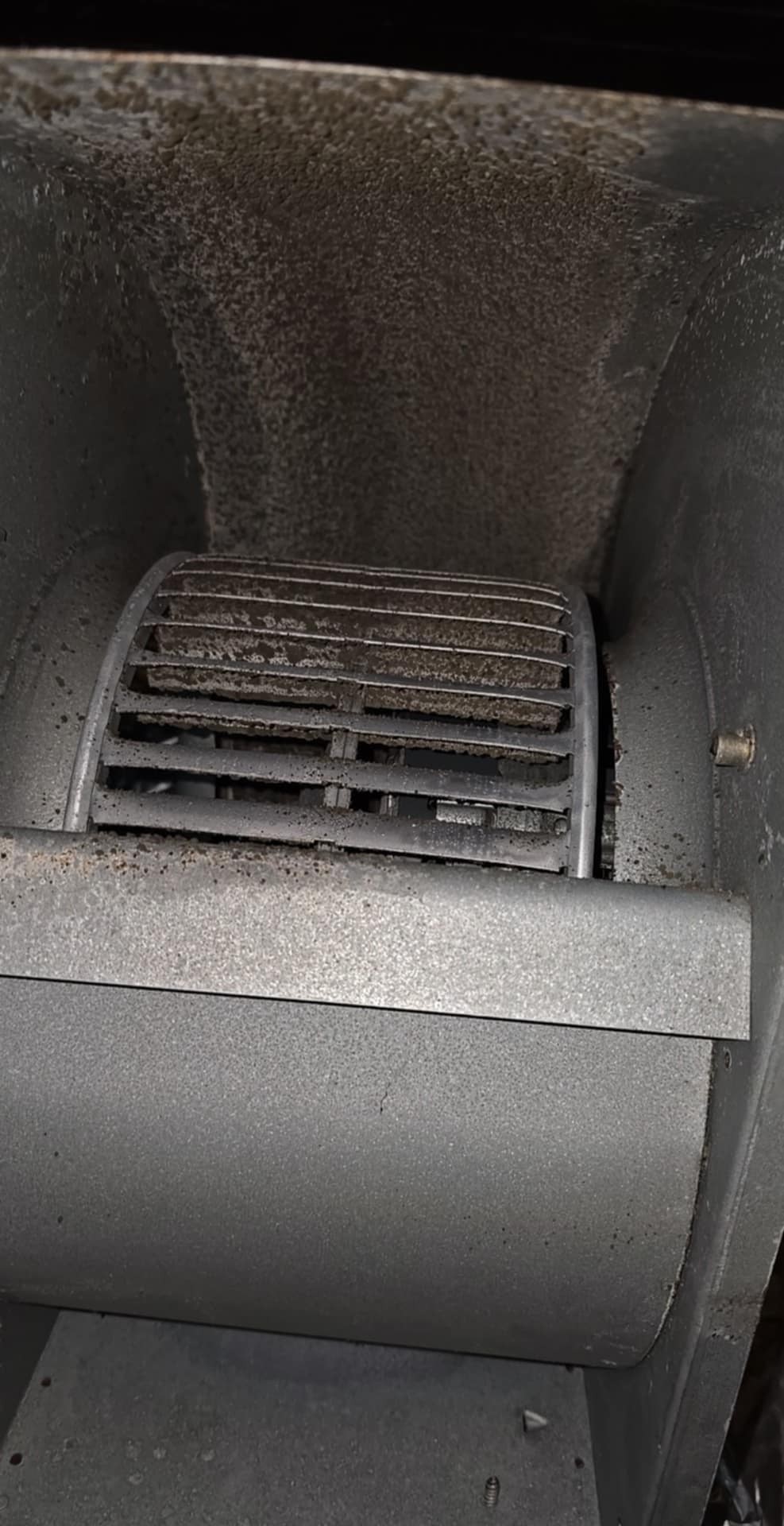
Short Answer Yes. When mold develops inside an HVAC system, spores can circulate throughout a home each time the system operates. Professional remediation often includes cleaning both the air handler and accessible ductwork to remove contamination, improve indoor air quality, and help prevent mold spores from being redistributed throughout the property.
Short Answer Yes. If mold contamination is present within an HVAC system, cleaning only the air handler may not fully address the problem. Depending on the extent of contamination, the ductwork and surrounding surfaces may also require professional cleaning to help improve indoor air quality and reduce the spread of contaminants throughout the home.