Short Answer Yes. Even if an exterior stucco ceiling appears clean, it can accumulate dirt, grease, pollen, oxidation, and airborne contaminants that interfere with paint adhesion. Proper cleaning before painting helps create a clean substrate for primers and finish coatings, improving both appearance and long-term durability.
Short Answer Yes. Even when a fire remains outside a home, smoke can travel through attic spaces, crawl spaces, wall cavities, and HVAC pathways, contaminating insulation, structural components, contents, and interior living spaces. A thorough inspection is essential because smoke damage often extends well beyond the area where the fire occurred.
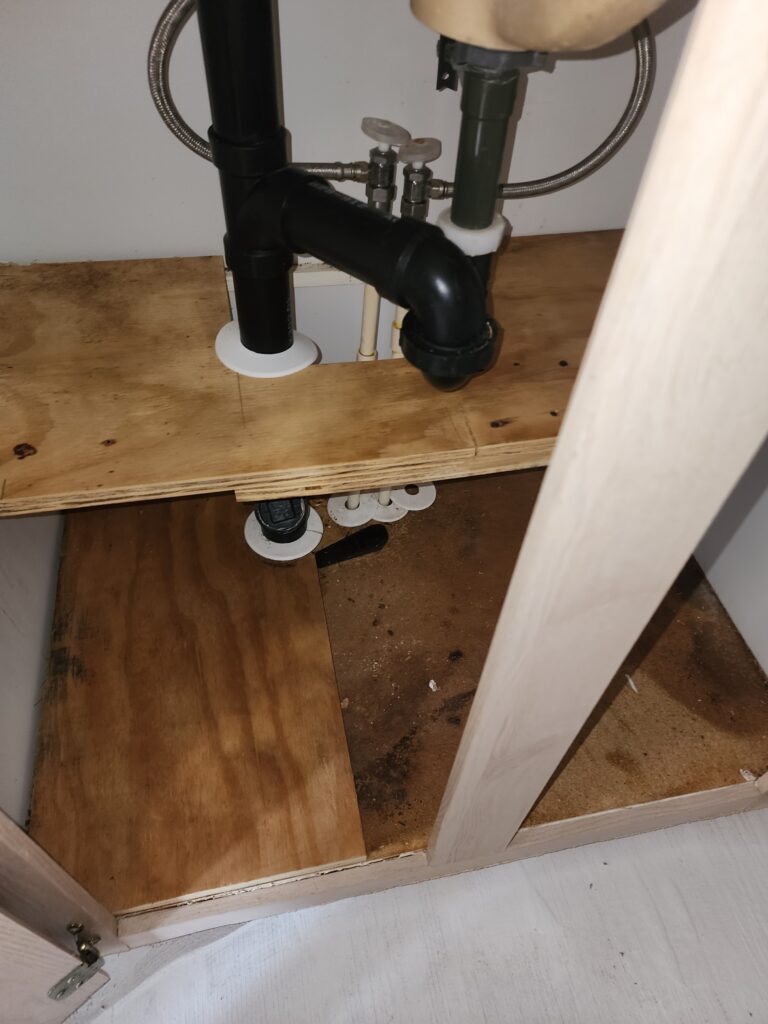
Short Answer Not always. If moisture damage is limited to the cabinet bottom, it may be possible to remove only the affected panel, remediate the contaminated materials, and restore the cabinet. However, if moisture has migrated behind the cabinetry into the wall cavity, cabinet removal may be necessary so hidden moisture and mold contamination can be properly evaluated before reconstruction.
Short Answer Yes. Water intrusion beneath a window can allow moisture to penetrate the wall assembly where mold may develop long before visible signs appear inside the home. Repairing the leak is only one part of the solution. Any mold contamination should be professionally remediated before reconstruction begins to help restore the affected building materials and indoor environment.
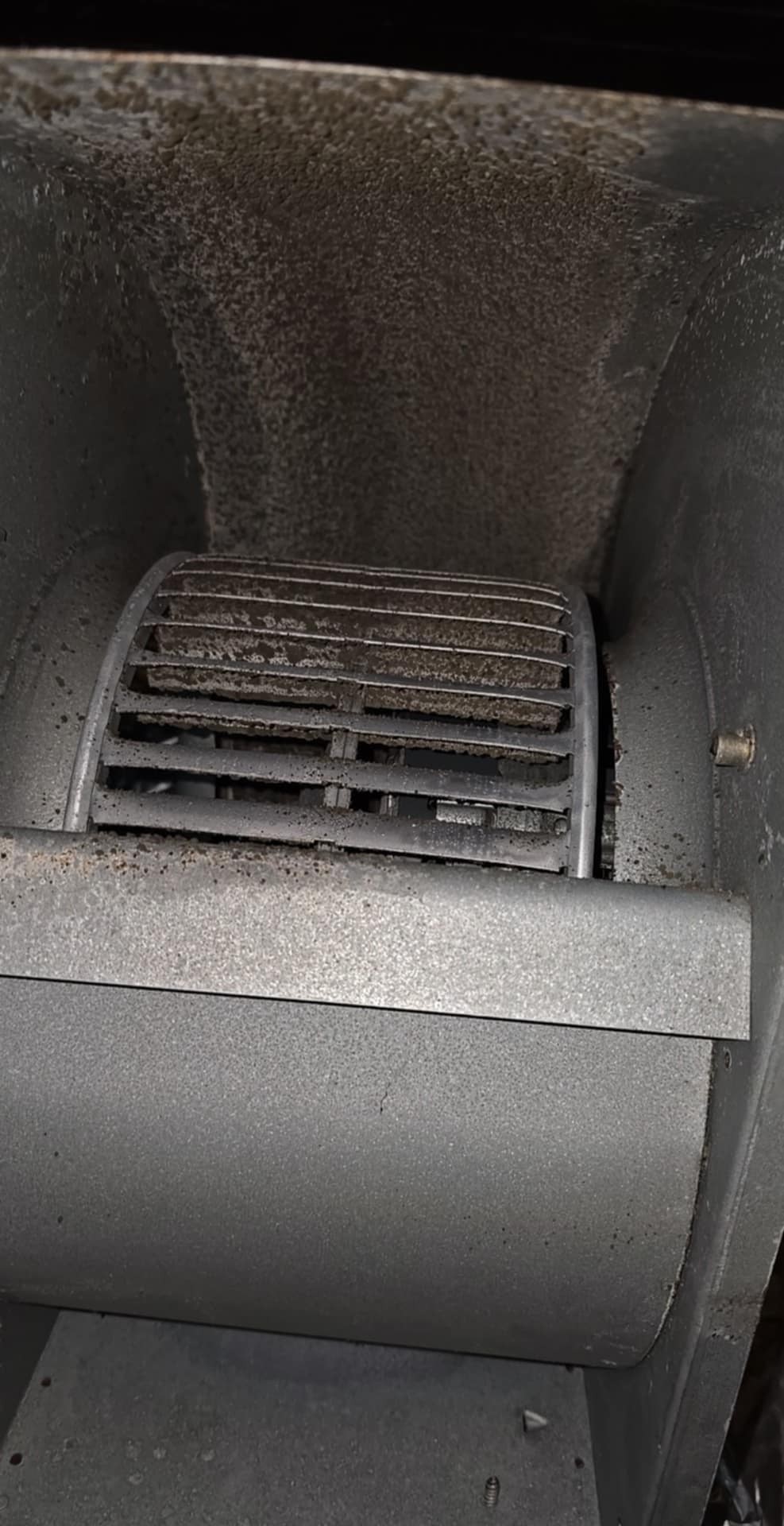
Short Answer Most homes benefit from professional air duct cleaning every 3 to 5 years, while dryer vents should generally be inspected and cleaned annually or more often for households with heavy dryer use. Regular maintenance helps improve airflow, supports indoor air quality, and keeps HVAC and laundry systems operating efficiently.
Short Answer Yes. Outdoor kitchens and covered lanais can develop mold when moisture intrusion, elevated humidity, or trapped water affects enclosed cabinetry and wall cavities. Professional remediation removes contaminated materials and prepares the area for safe reconstruction.
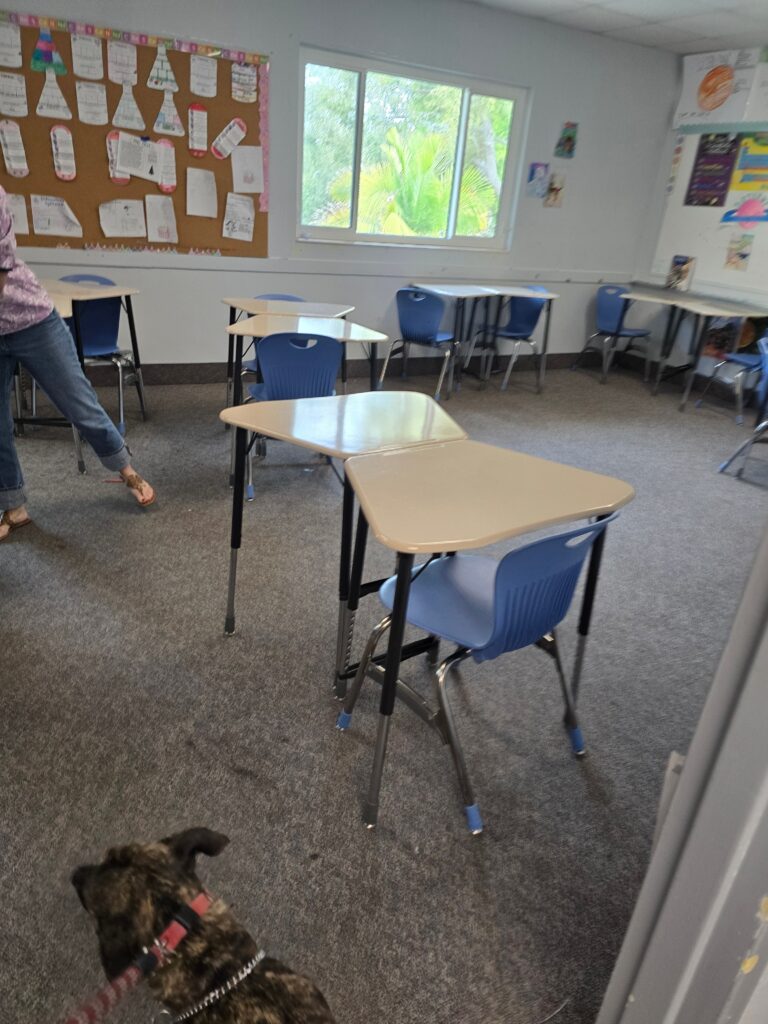
Short Answer Yes. Routine commercial carpet cleaning helps remove embedded dirt, allergens, and contaminants from carpet fibers while improving appearance and extending carpet life. Scheduling cleaning during school breaks minimizes disruption and allows adequate drying before students return.
Short Answer In many cases, yes. Water damage restoration can often begin while a home remains occupied. However, certain phases—such as flooring removal or structural drying beneath finished materials—may need to be scheduled around occupant availability to safely complete the work and properly dry hidden moisture.
Short Answer If your home floods from a fire sprinkler discharge, stop the water source if possible and contact a professional restoration company immediately. Rapid water extraction, structural drying, moisture monitoring, and selective removal of materials that cannot be properly dried help reduce secondary damage and prepare the property for reconstruction. mage mitigation, structural drying, flooring replacement, and interior reconstruction following an accidental fire sprinkler discharge. clean, healthy, and ready-to-occupy condition.
Short Answer Not every mold-contaminated HVAC air handler needs to be replaced. If the equipment is mechanically sound and mold contamination is limited to accessible components, professional cleaning may restore the system without the expense of replacement. The appropriate solution depends on the extent of contamination, the condition of the equipment, and a thorough professional inspection.
Short Answer Not all water-damaged flooring must be removed. Professional moisture inspections identify which flooring materials can be successfully dried and which trap moisture beneath the surface. In this Sarasota condominium, the floating floor required removal to expose trapped moisture, while the unaffected glue-down wood flooring remained in place, avoiding unnecessary demolition.
Short Answer Water damage inside a duplex firewall requires more than simply repairing the plumbing leak. Once a fire-rated wall assembly is opened, the affected materials must be properly dried, any mold contamination remediated, and the wall reconstructed in accordance with applicable building and fire codes. Coordinating mitigation with licensed reconstruction professionals helps ensure both the restoration work and the fire barrier are properly restored.