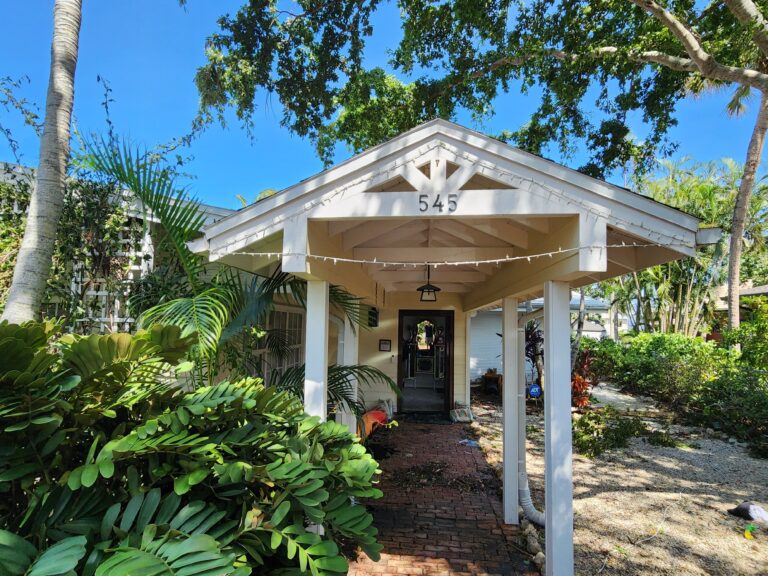
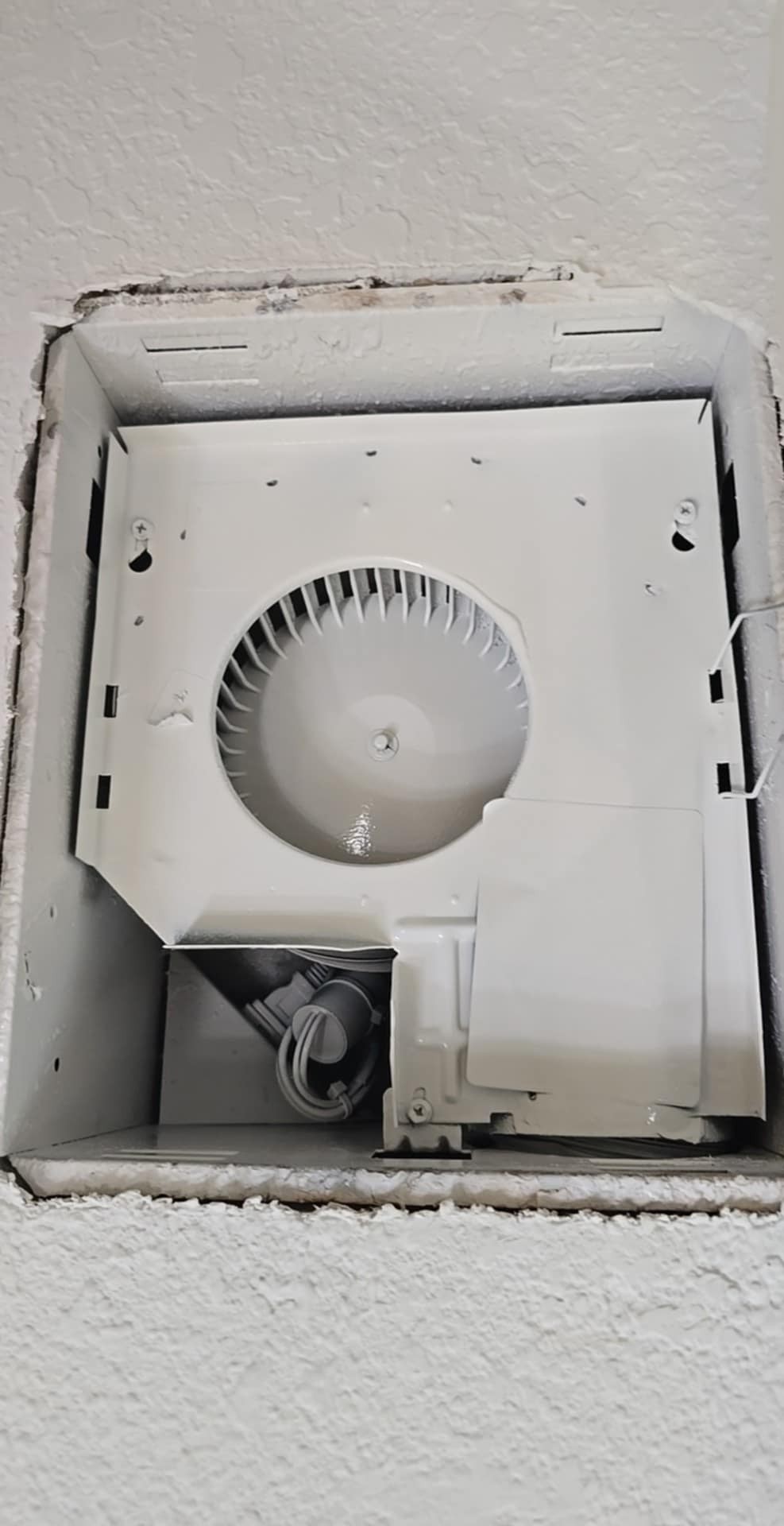
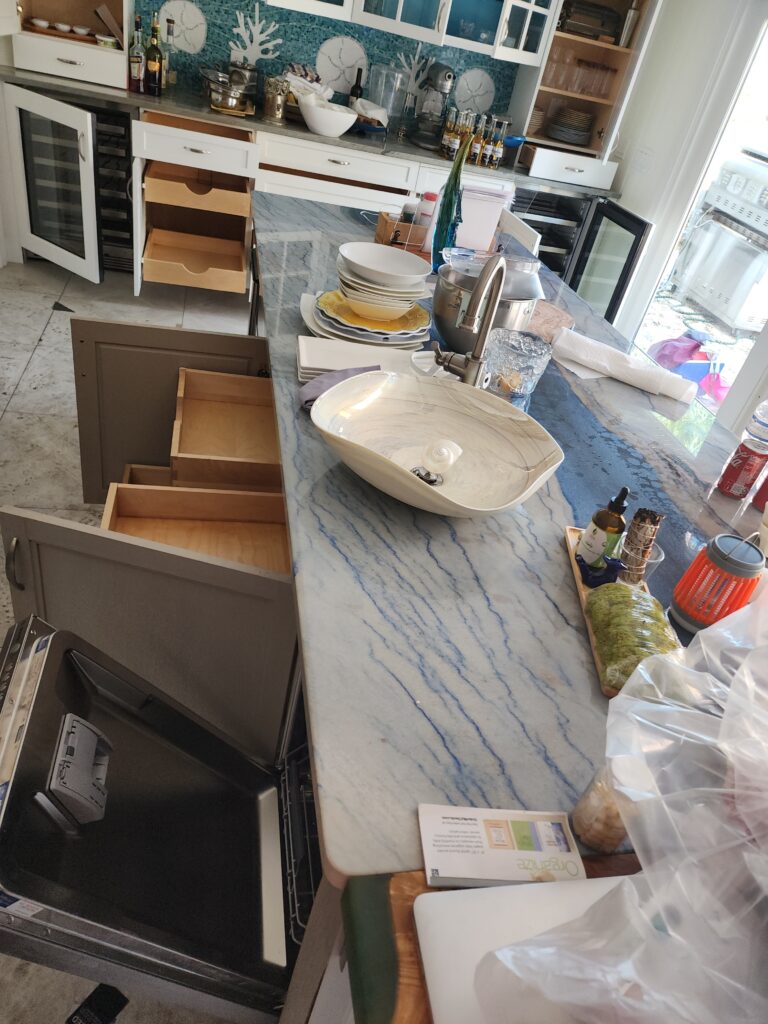
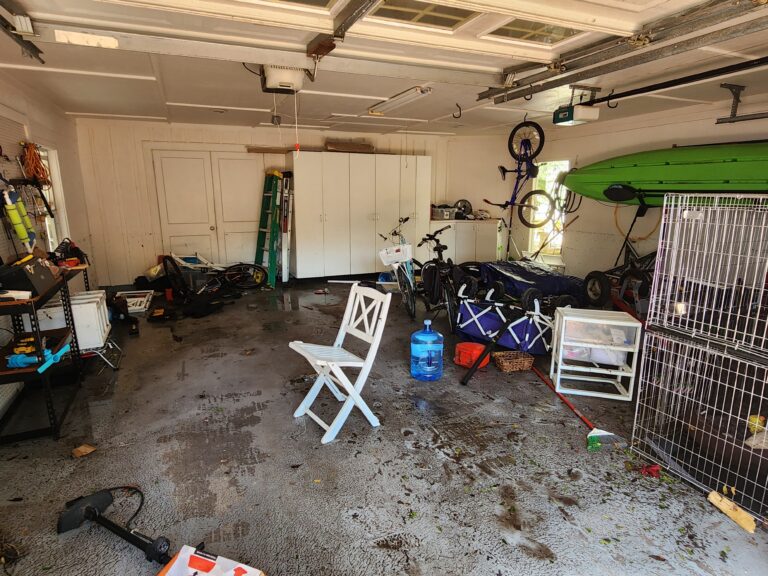
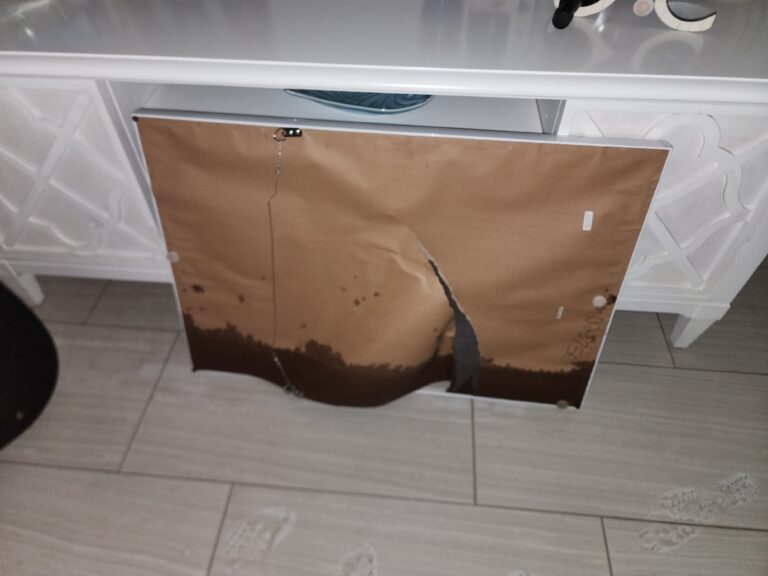
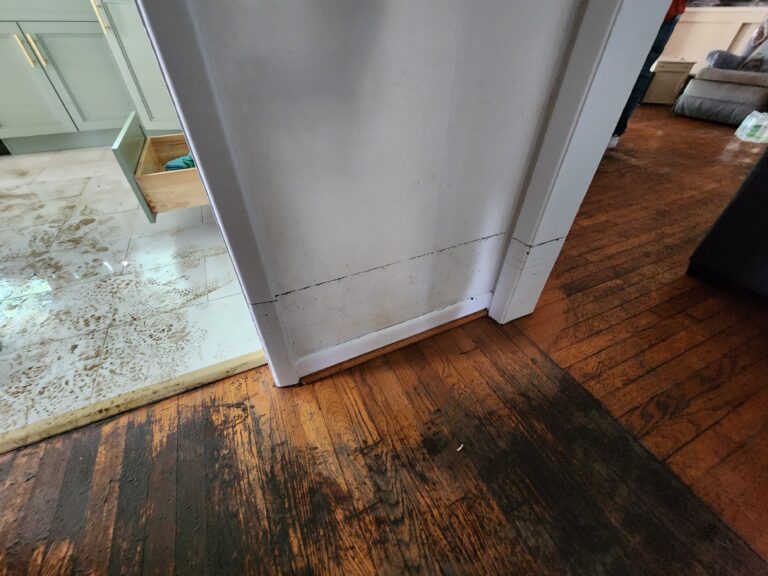
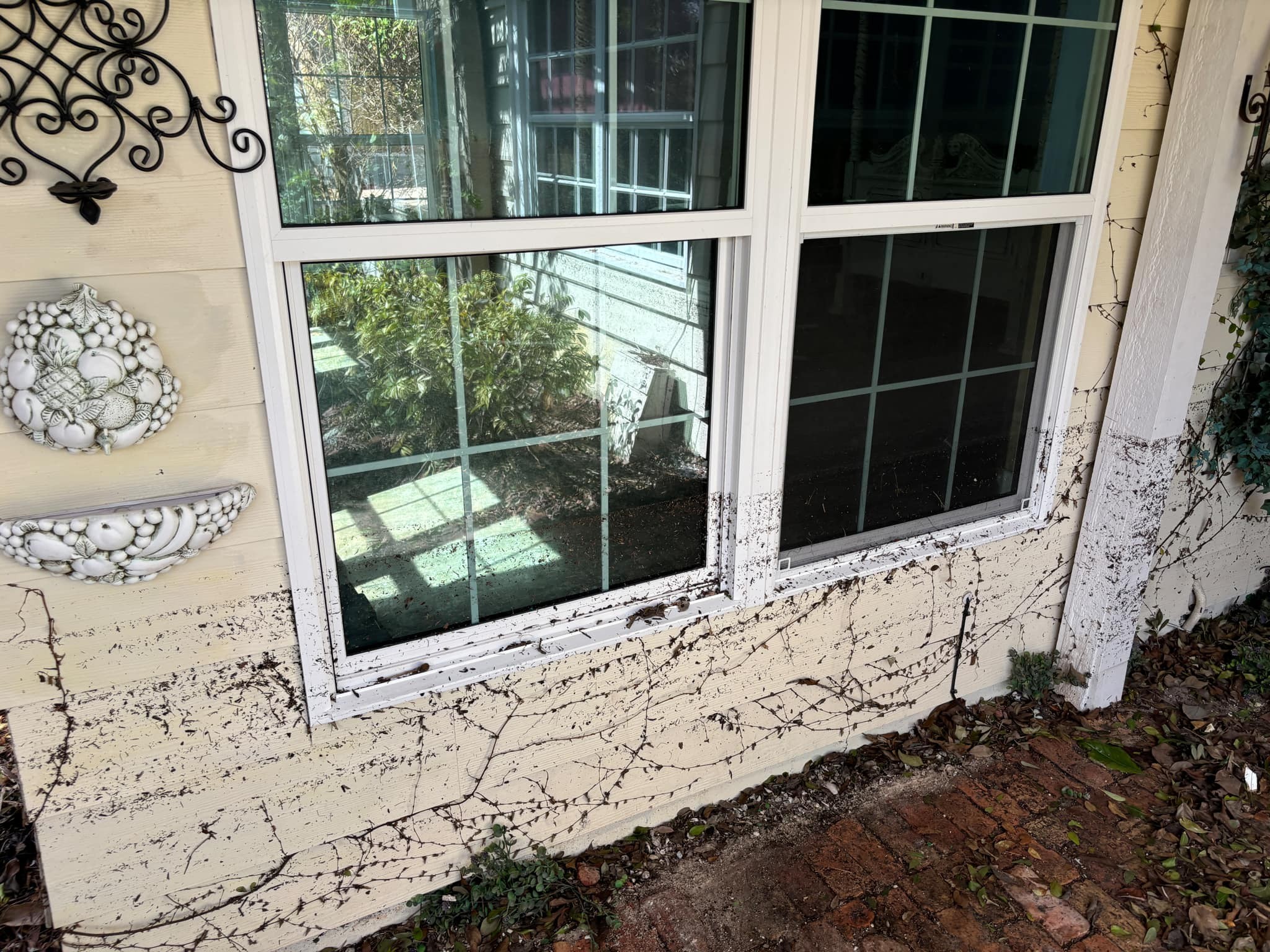
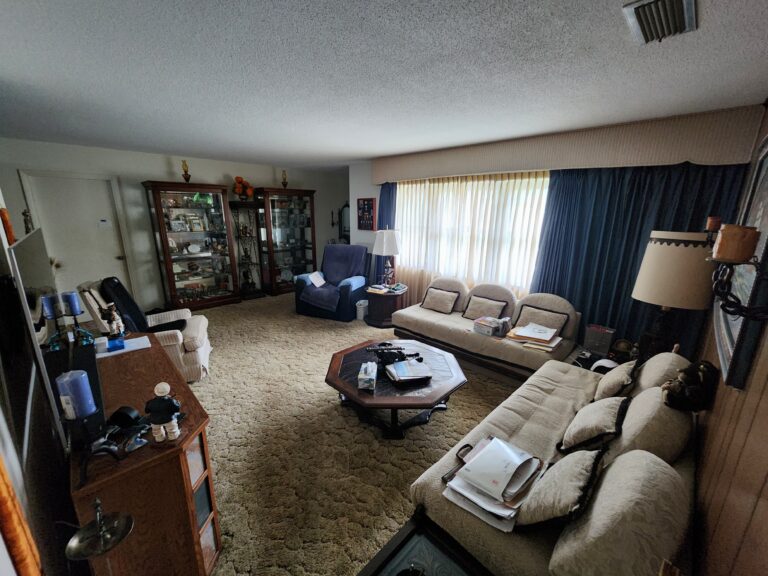
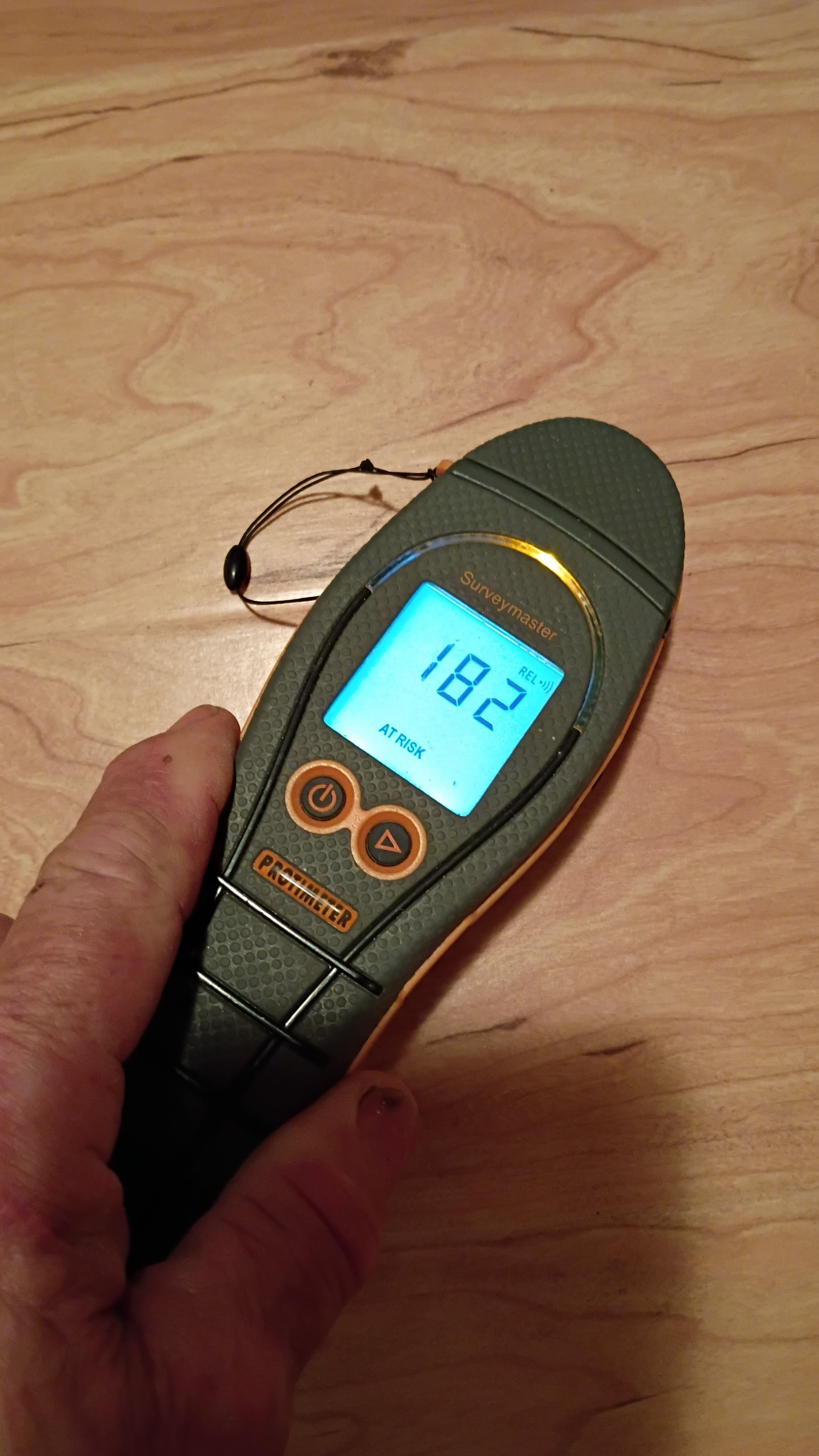
Project Overview One of the most common questions homeowners ask after a hurricane is, "Once the standing water is gone, is my home dry?" In many cases, the answer is no. Water frequently remains trapped inside walls, flooring systems, cabinetry, and structural components long after visible flooding has subsided. This Apollo Beach restoration project involved hurricane-related flooding that affected multiple areas of the home following significant water intrusion. Immediate mitigation efforts focused on stabilizing the property, protecting the homeowner's belongings, and preventing additional damage. A comprehensive moisture inspection and professional moisture mapping were performed to identify hidden moisture within the building materials. Water extraction and controlled structural drying were then initiated using commercial restoration equipment while technicians documented moisture levels throughout the drying process. Contents were carefully manipulated and protected as necessary to provide access for drying while minimizing disruption to the homeowner's personal property. Environmental cleaning was also performed in affected areas as part of the overall mitigation effort. By combining rapid emergency response, professional moisture mapping, controlled structural drying, and ongoing moisture monitoring, the property was successfully prepared for the next phase of restoration and reconstruction.
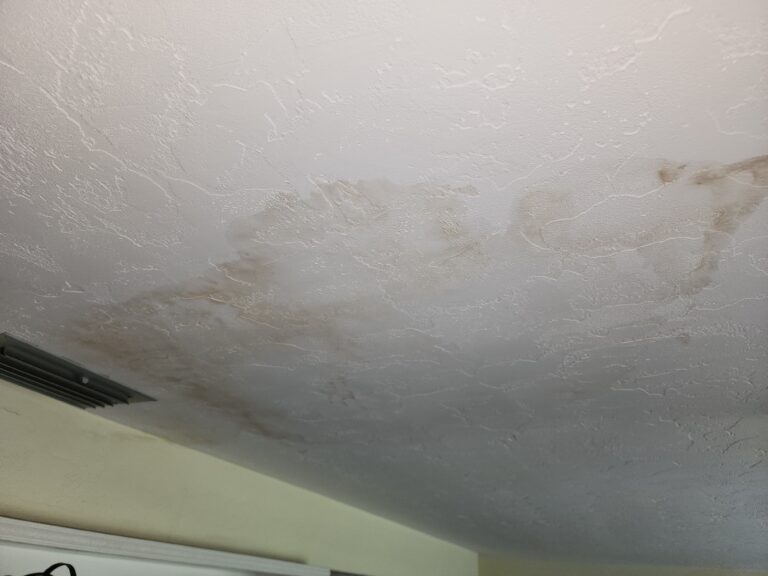
Short Answer Yes. Mold growing inside ceilings after hurricane water damage can often remain hidden until building materials are opened. Professional remediation removes contaminated materials, cleans structural framing, addresses moisture sources, and prepares the home for reconstruction.
Short Answer Yes. After hurricane flooding, a home should undergo professional water mitigation, structural drying, mold remediation when necessary, and independent post-remediation testing before reconstruction begins. This process helps ensure moisture has been properly managed and remediation has been successfully completed.
Short Answer Yes. While mold remediation removes mold contamination and addresses the moisture conditions that caused it, reconstruction restores damaged building materials so the home can safely return to normal use. Together, these services provide a complete restoration process.
Short Answer Often, yes. If water damage and mold contamination have affected a home, the HVAC system may also require professional cleaning. Cleaning accessible HVAC components and air ducts can help remove accumulated dust and contaminants while supporting a cleaner indoor environment after remediation.
Yes. Historic homes can often be structurally stabilized while preserving their original architectural character. Careful planning, thorough structural evaluation, and selective reinforcement techniques help strengthen compromised areas while maintaining the craftsmanship and historic features that make older homes unique.
Short Answer Yes. Water damage that is not properly dried can leave elevated moisture inside drywall, wood framing, trim, insulation, and other building materials. These damp conditions can support mold growth, making prompt water mitigation and professional structural drying critical to minimizing additional damage.
Short Answer Yes. When hurricane flooding affects both the structure and personal belongings, removing contents before demolition and mold remediation often protects salvageable items, improves access for restoration professionals, and allows structural drying and remediation to proceed more efficiently.
Short Answer Yes. A leaking pool water supply line can release large amounts of water into or beneath a home without immediately being noticed. As moisture spreads through walls, flooring, cabinetry, and structural materials, mold growth can develop if the affected materials are not professionally dried and restored.
Short Answer Yes. A hidden pool water supply line leak can release thousands of gallons of water beneath or inside a home before it is discovered. That moisture can saturate flooring, drywall, cabinetry, and structural materials, creating conditions that allow mold growth if professional drying is not performed promptly.
Short Answer Not every water-damaged material can be saved. When drywall, insulation, cabinetry, or other building components cannot be successfully restored, selective demolition allows hidden moisture to be removed so the structure can be properly dried before reconstruction begins.
Short Answer Yes. Hurricane flooding can leave building materials saturated for days or weeks, creating ideal conditions for mold growth. Prompt flood cleanup, structural drying, moisture monitoring, and professional mold remediation help minimize secondary damage and prepare the home for reconstruction.