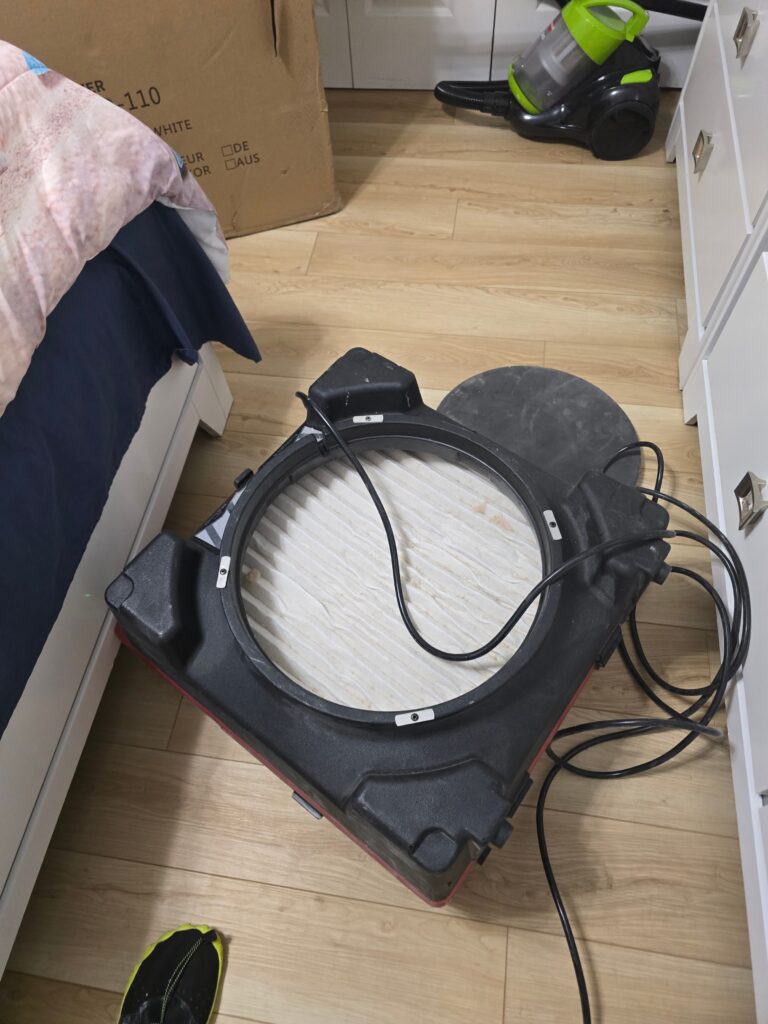
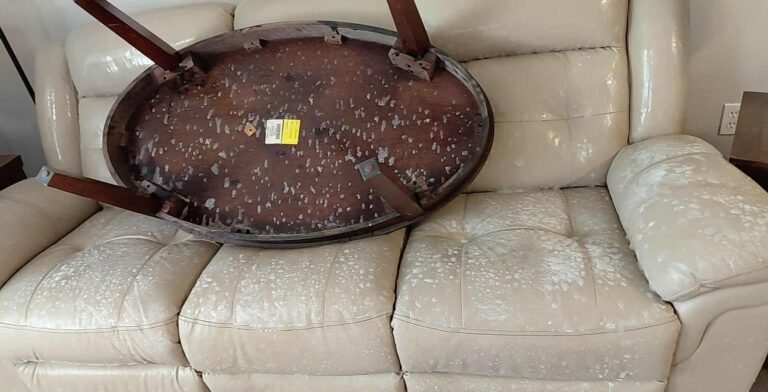
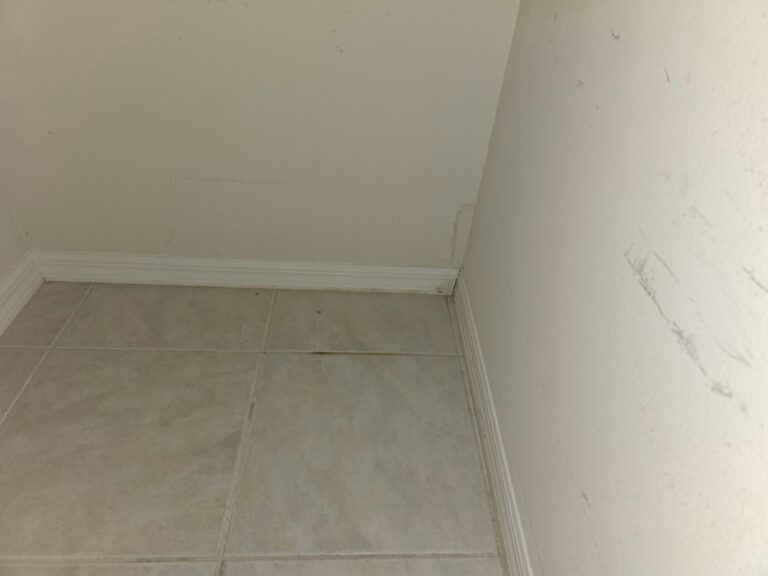
Short Answer Yes. A roof can leak from several different locations at the same time, and repairing only the most obvious problem may not stop all of the water intrusion. This Longboat Key project involved investigating multiple suspected leak locations, performing targeted roof repairs, and evaluating interior materials with professional moisture-detection equipment.
Short Answer Yes, mold remediation can include repairs when the project requires building materials to be opened or removed to properly address affected areas. The remediation and reconstruction are separate phases of the work, but coordinating them can take a project from identifying the moisture problem through remediation and final restoration. This Anna Maria project included professional moisture investigation, remediation and environmental controls, followed by repairs to restore areas affected by the work.
Short Answer An HVAC system does not automatically require cleaning simply because surface mold is found elsewhere in a home. However, when inspection identifies contamination or accumulated debris within the air handler or duct system, including the HVAC components in the cleaning scope may be appropriate. In this Sarasota project, visible mold-related conditions affected numerous household surfaces and contents. The HVAC system was also addressed, allowing the project to combine detailed surface cleaning with professional air handler and duct cleaning.
Short Answer Yes. Mold-related conditions can sometimes be limited to specific concealed areas such as beneath stairs or behind a bathroom vanity. Moisture can affect hidden building materials without producing obvious conditions throughout the surrounding room. In this Venice, Florida project, mold-related conditions were identified in two localized areas, allowing a targeted remediation approach rather than unnecessary removal or disturbance of unaffected materials.
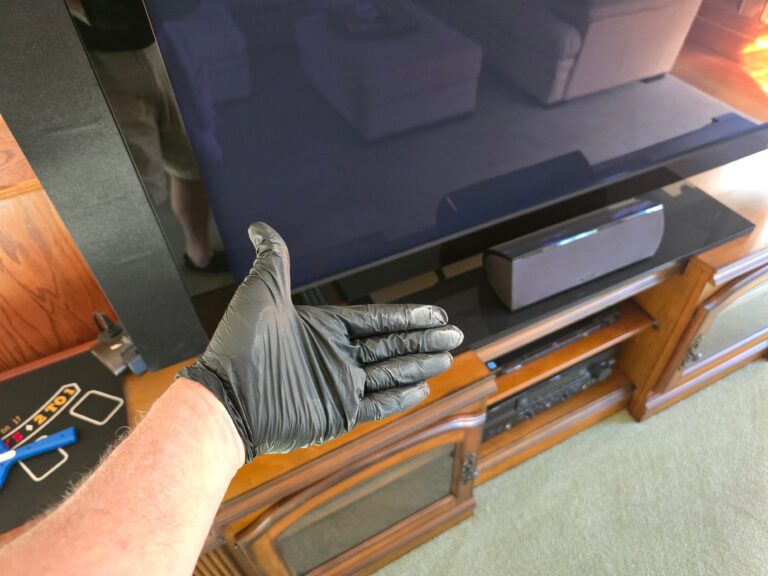
Short Answer Construction dust on computers and sensitive electronic equipment requires a different cleaning approach than ordinary household surfaces. Fine particulate can settle on equipment, enter openings, and accumulate in difficult-to-reach areas. In this Venice, Florida project, specialized detailed cleaning techniques were used to remove construction dust from the affected computer room and sensitive equipment while reducing the risk of damage from inappropriate cleaning methods.
Short Answer A mold-affected bathroom vanity does not always need to be removed, but removal may be necessary when contaminated materials cannot be effectively cleaned or when the vanity prevents access to affected areas behind or beneath it. In this Bradenton project, the affected vanity was removed so the underlying area could be properly accessed and remediated. A replacement vanity was then installed, and the project also included professional cleaning of the home's air handler and associated ductwork.
Short Answer When construction dust spreads throughout a home, cleaning may need to extend far beyond the original work area. Fine dust can settle on walls, furniture, electronics, fixtures, countertops, flooring, and other surfaces throughout the residence. In this Longboat Key project, ServiceMaster SRQ performed detailed interior cleaning after contractor work generated dust that migrated throughout the home.
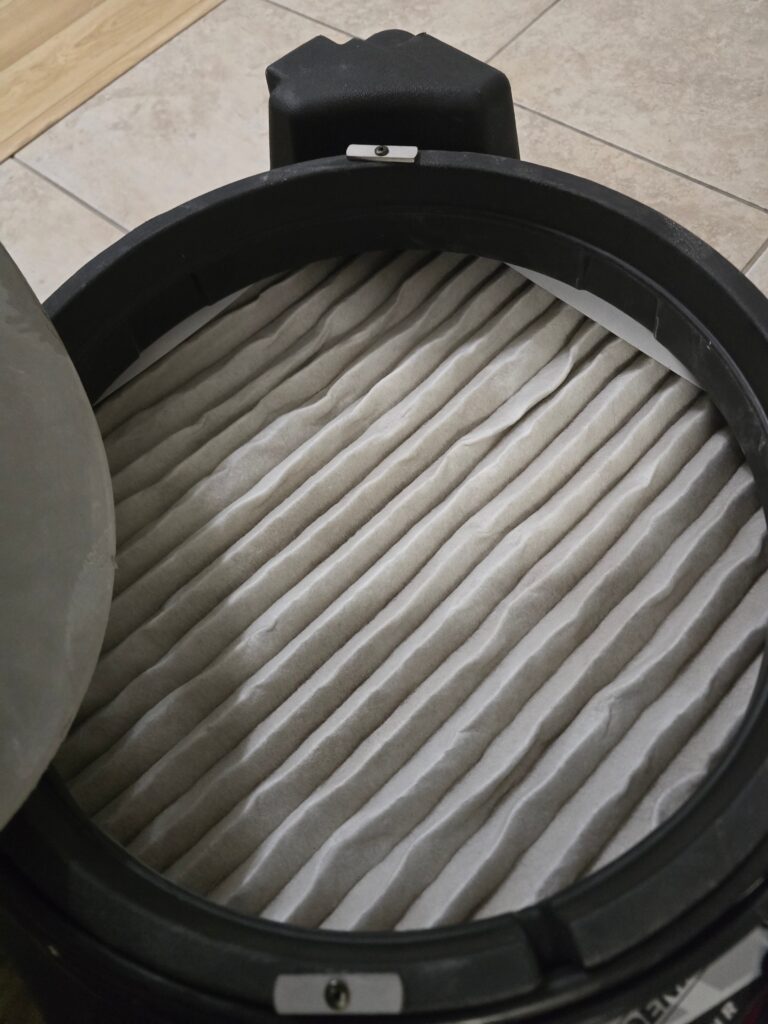
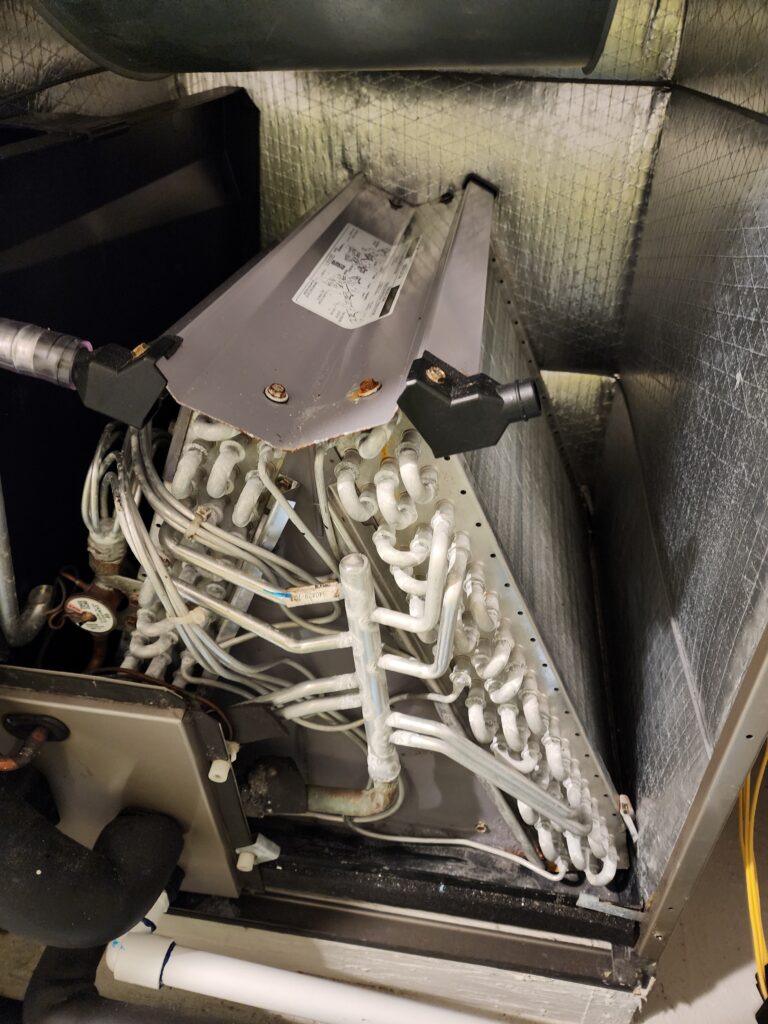
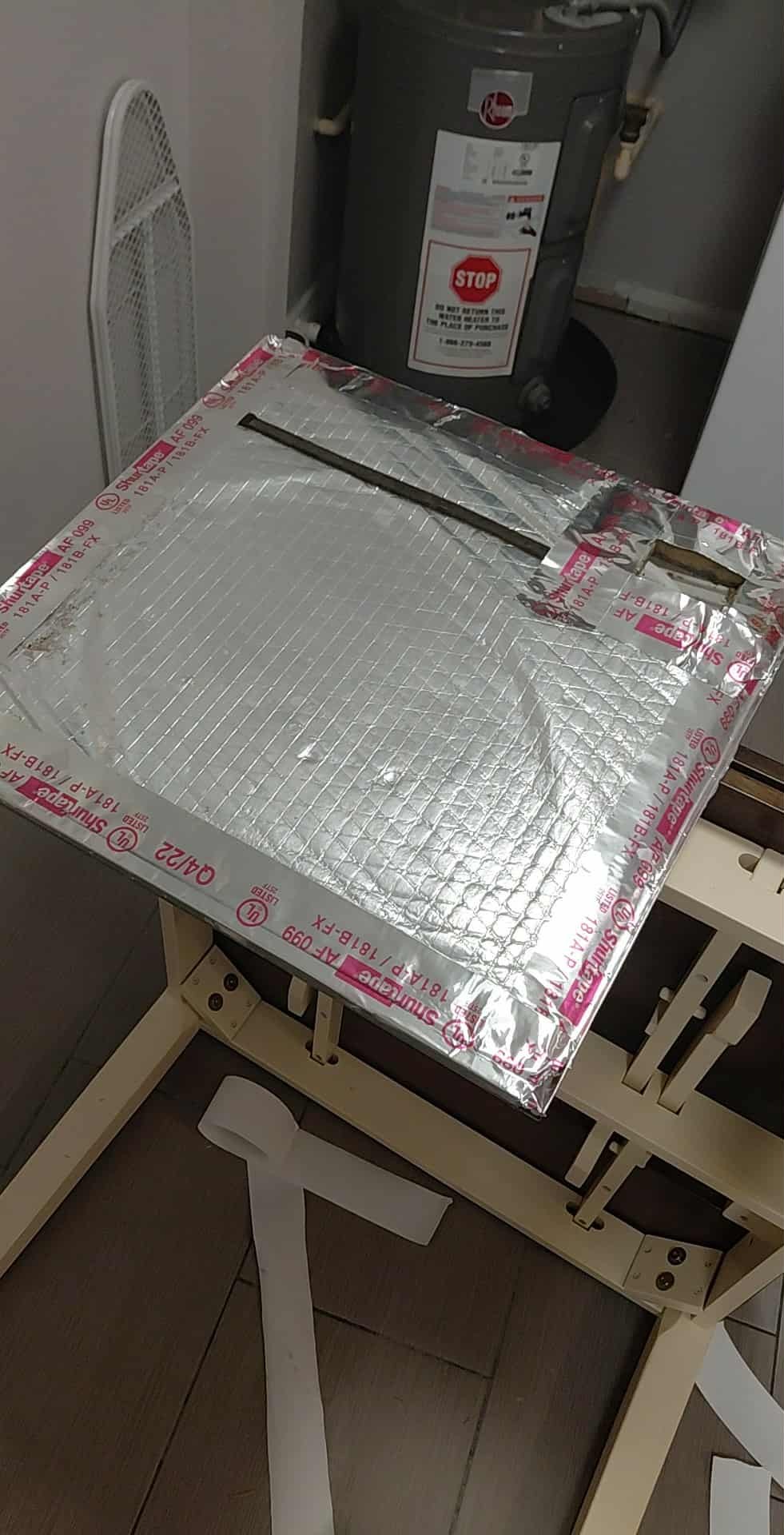
Short Answer The air handler and ductwork should often be cleaned together because they operate as interconnected parts of the same HVAC system. Dust, debris, and other buildup can accumulate on the evaporator coil, blower compartment, drain pan, interior cabinet surfaces, supply ducts, and return-air components. Cleaning only the ductwork while leaving significant buildup inside the air handler can leave part of the system
Short Answer Yes. A restoration project can progress from water-damage investigation and mold remediation through reconstruction when the affected materials are properly addressed first. This allows the property to move from identifying moisture and contamination through removal, remediation, drying, and ultimately rebuilding the damaged areas.
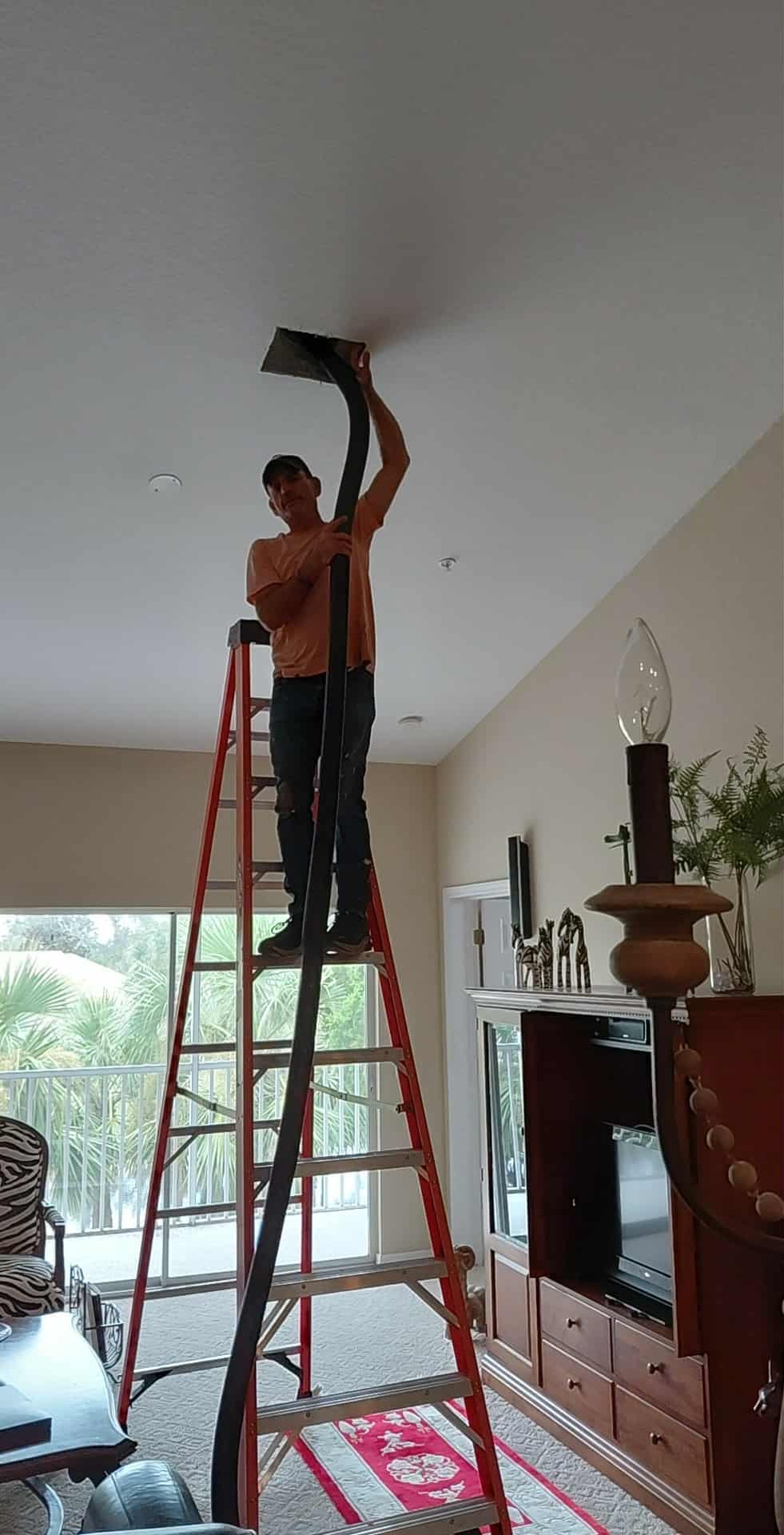
Short Answer Often, yes. When mold-related conditions or accumulated contamination affect an HVAC air handler, evaluating the associated ductwork is important because the components operate together as one air-distribution system. When conditions warrant it, professional cleaning of the air handler, evaporator coil, and accessible ductwork can provide a more comprehensive approach than cleaning only one component.
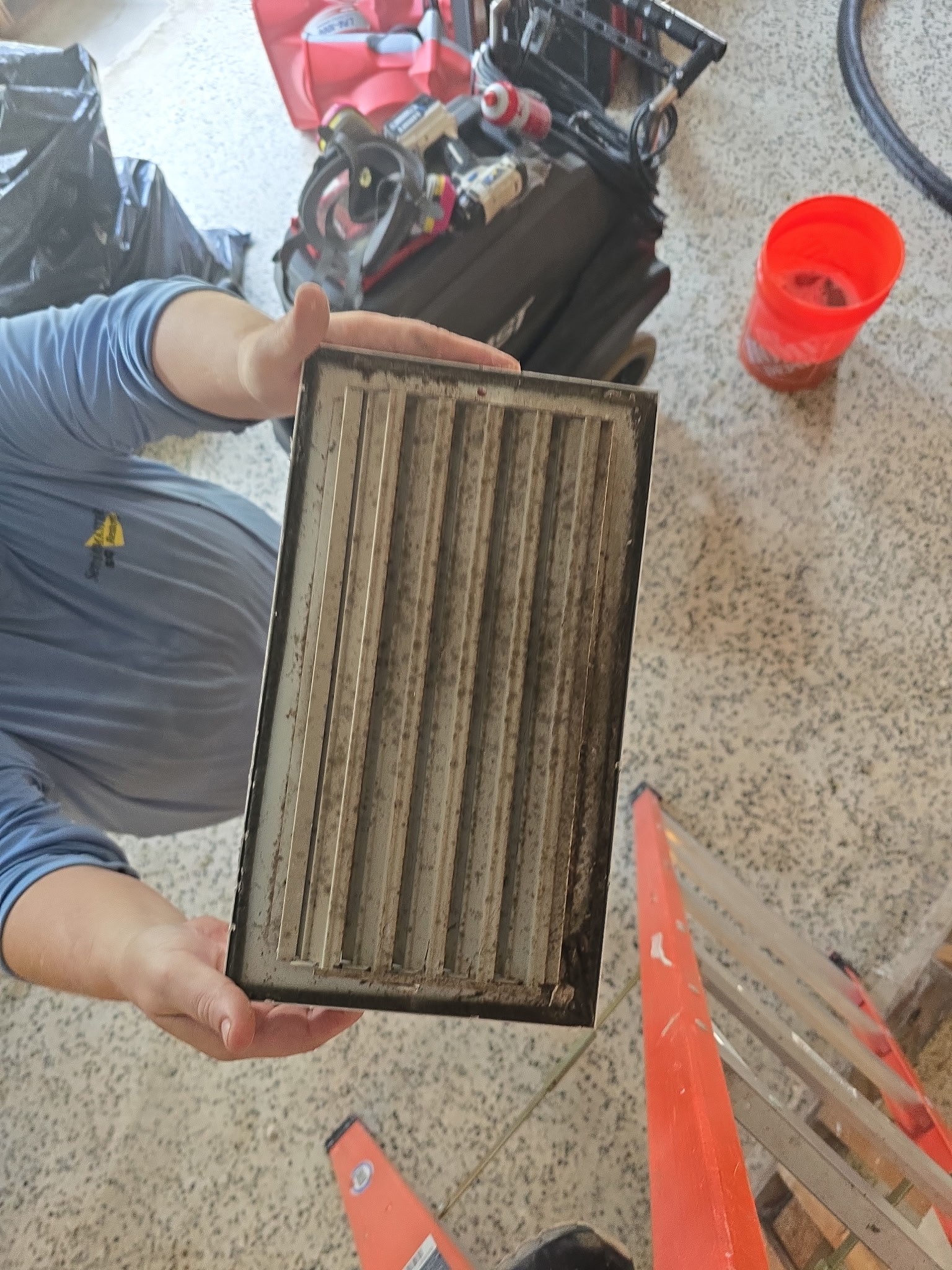
Short Answer Yes. Mold-related contamination can affect HVAC components and ductwork when conditions within the system support contamination or when an HVAC system is exposed to an affected indoor environment. Depending on the materials and conditions involved, professional cleaning or remediation may be necessary as part of a larger mold remediation project.
Short Answer Yes. Original terrazzo flooring can often be restored after glued-down flooring is removed. Careful removal of the flooring and adhesive can expose the original terrazzo so it can be professionally cleaned, refinished, and preserved rather than covered with another flooring system.