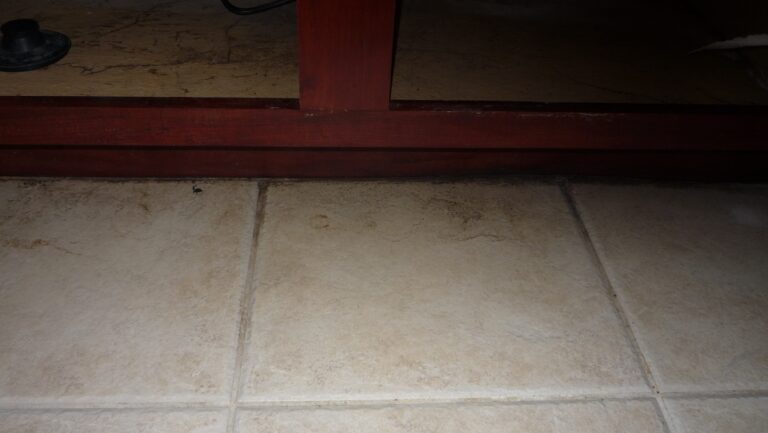
Short Answer Can a toilet overflow affect areas beyond the bathroom? Yes. Water from a toilet overflow can migrate through flooring, wall cavities, penetrations, and other concealed pathways into areas that may not initially appear affected. Depending on the construction of the home and extent of the loss, inspection may need to include adjacent rooms, concealed spaces, the crawl space, and other potentially affected areas.
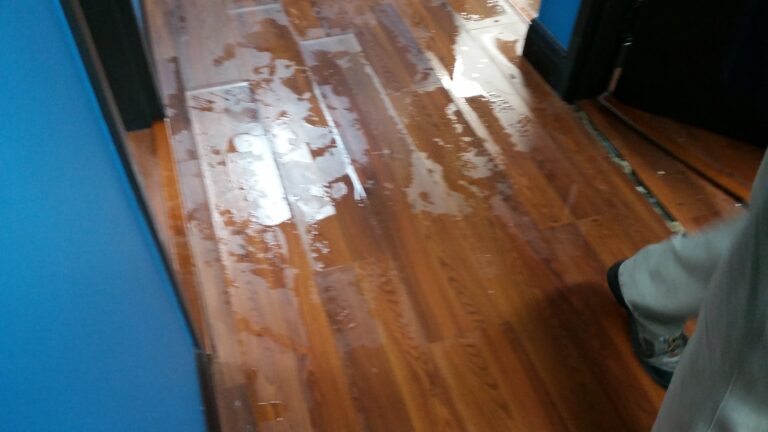
Short Answer Can glue-down hardwood floors be saved after hurricane flooding? Sometimes. When the flooring remains sufficiently intact and site conditions are appropriate, professional extraction, moisture monitoring, dehumidification, and controlled structural drying may reduce moisture within a glue-down hardwood flooring system enough to save it. On this Hurricane Ian project in Venice, the drying process was successful and the existing wood flooring was preserved rather than demolished.
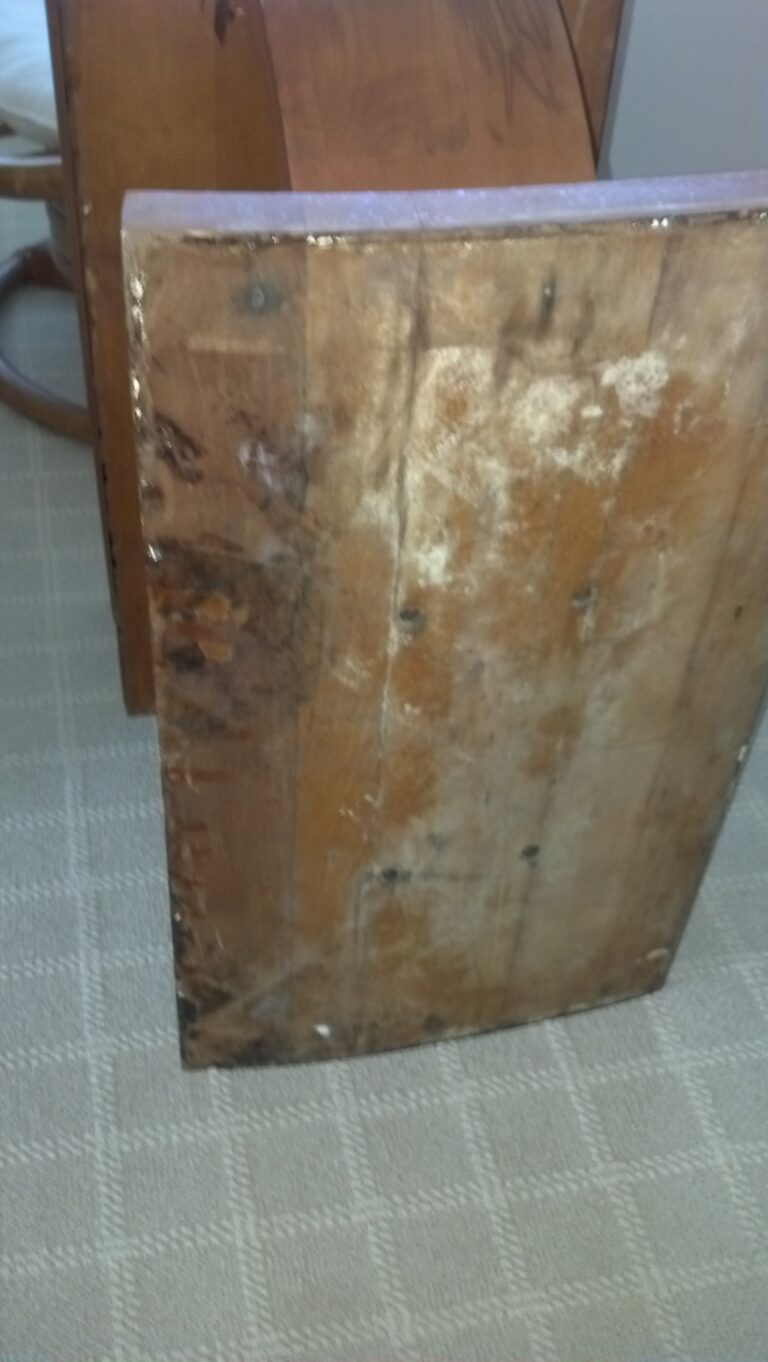
Short Answer Why do some materials need to be removed during mold remediation? Porous materials that are significantly affected by mold contamination may not always be appropriate candidates for cleaning and restoration. When contamination has penetrated a material or the material has deteriorated, selective removal may be necessary so the affected area can be properly remediated while sound, unaffected materials are preserved whenever practical.
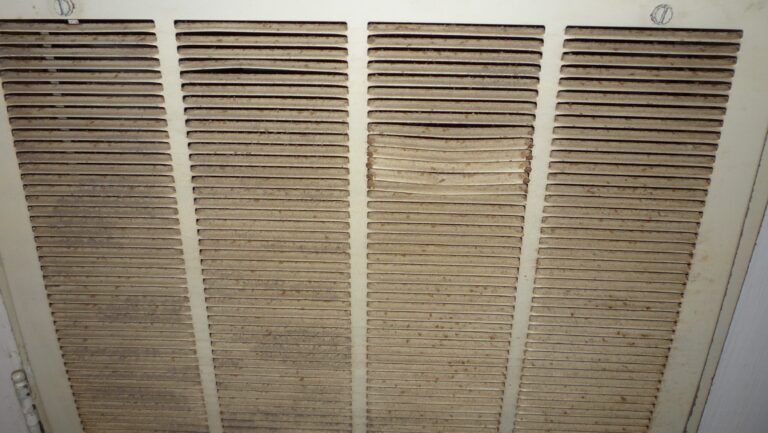
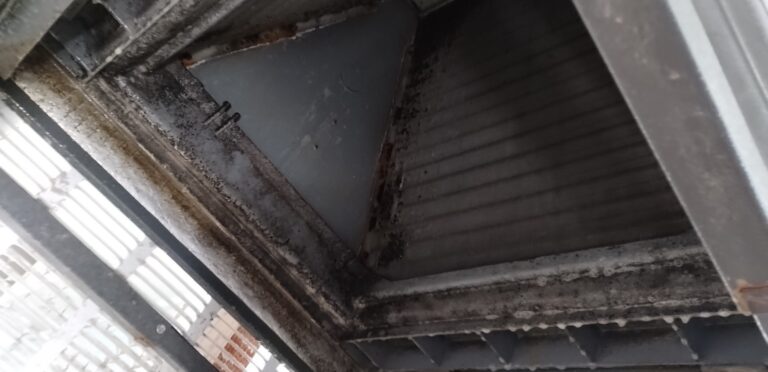
Short Answer Short Answer Can cleaning the air handler and ductwork improve airflow and indoor air quality? Professional HVAC cleaning can remove accumulated dust, debris, and other contaminants from accessible system components. Cleaning the air handler along with the duct system provides a more comprehensive approach than cleaning registers or ductwork alone and can help maintain cleaner airflow through the home.
Short Answer Can one professional cleaning company clean leather furniture, upholstery, carpet, and wood floors in the same home? Yes. Multiple surfaces can be professionally cleaned during the same service, but leather, fabric upholstery, carpet, and finished wood require different cleaning procedures. The material should be evaluated first so the cleaning method is appropriate for the particular surface rather than applying one process throughout the home.
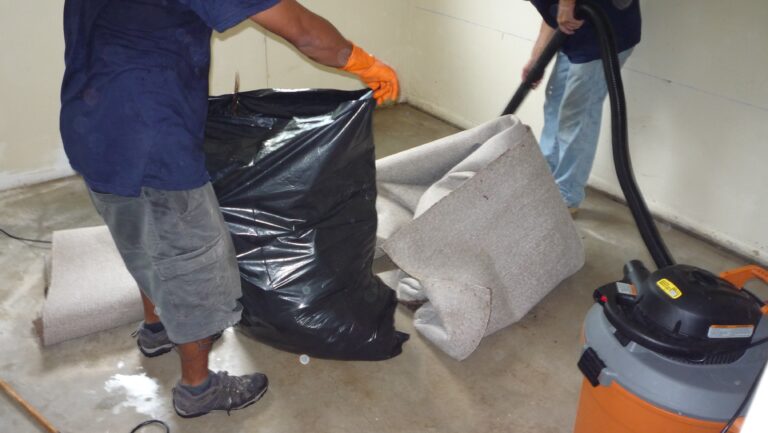
Short Answer Why do belongings sometimes need to be removed after contaminated water damage? When contaminated water affects a residence, contents may need to be packed out to provide access to affected areas, protect salvageable belongings, and allow proper cleaning, water extraction, and structural drying to be performed.
Short Answer Why do belongings sometimes need to be removed after contaminated water damage? Contents may need to be temporarily removed when they prevent access to affected floors, walls, or other building materials. A coordinated pack-out also protects salvageable belongings while allowing technicians to perform extraction, cleaning, contamination control, and structural drying throughout the affected areas.
Short Answer Why is identifying the source important before mold remediation begins? Mold growth requires moisture. Identifying and correcting the moisture source is therefore an important part of a successful remediation project. Without addressing the conditions that allowed the mold to develop, cleaning or removing affected materials alone may not prevent the problem from returning.
Short Answer What needs to be done after a sewage backup inside a home? Sewage-contaminated water requires more than simply extracting the water and allowing the area to dry. Porous materials that cannot be adequately cleaned may require removal, while remaining structural surfaces must be thoroughly cleaned and the affected areas properly dried before restoration begins.
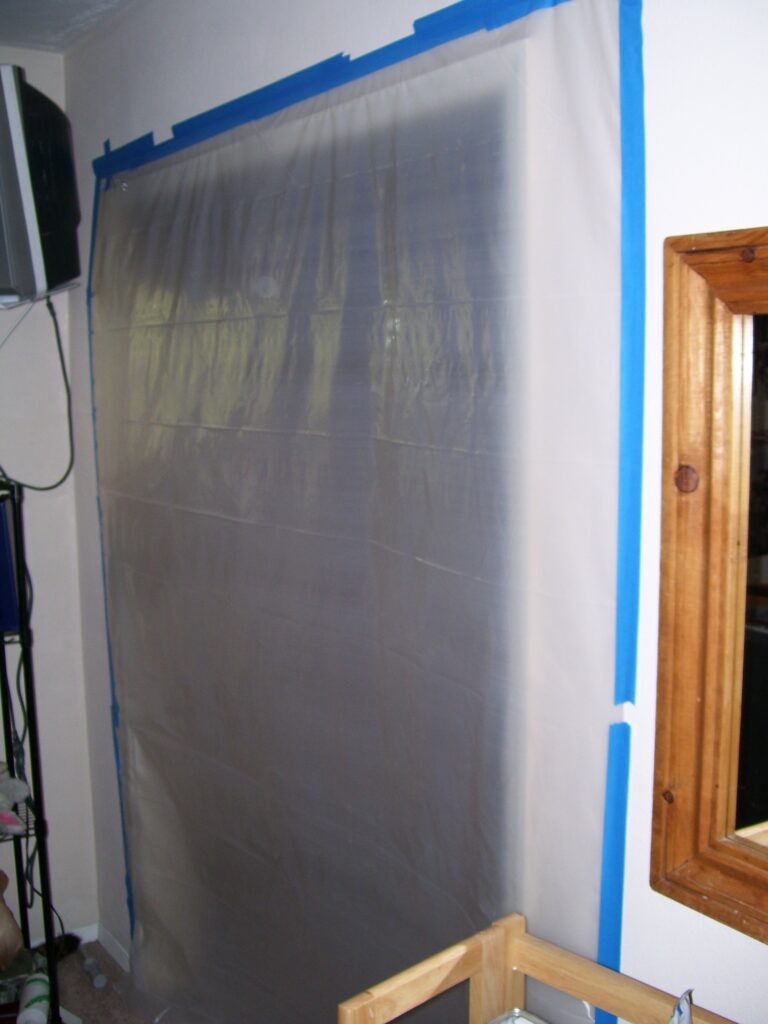
Short Answer When mold-related conditions affect multiple areas of a home, remediation may require more than treating individual visible areas. A comprehensive approach can include systematic top-down cleaning of interior surfaces together with professional cleaning of HVAC components when conditions within the system warrant it. The objective is to address contamination throughout the affected environment rather than concentrating only on isolated visible areas.
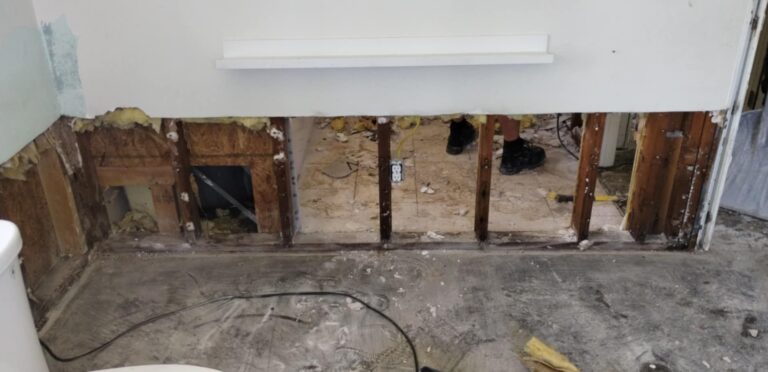
Short Answer No. Water-damaged drywall does not always require removal of the entire wall. When moisture damage and deterioration are limited to specific sections, selective demolition can be used to remove affected materials while preserving sound portions of the wall assembly. In this University Park project, damaged drywall was removed to expose affected wall cavities and framing, the area was dried, and the walls were prepared for restoration.
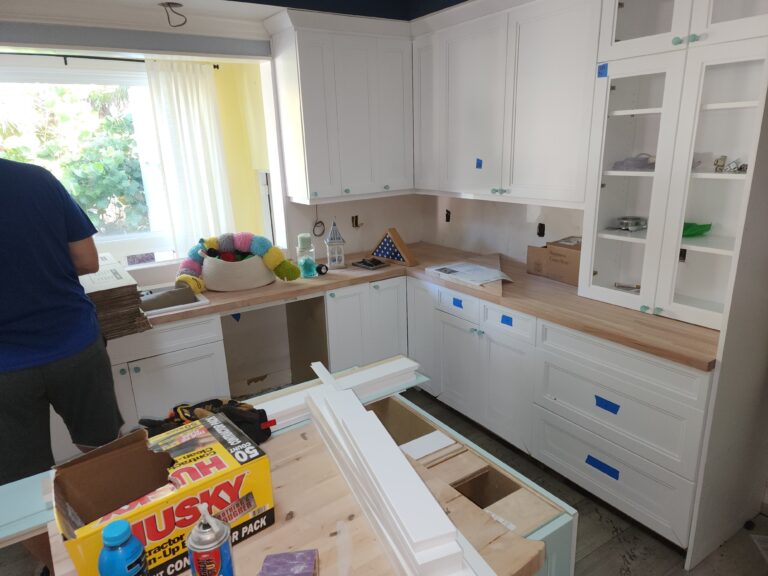
Short Answer Yes. Mold beneath a kitchen sink does not necessarily mean the entire cabinet or kitchen must be removed. When contamination is limited to specific materials and unaffected portions can be adequately protected and cleaned, targeted remediation may allow much of the existing cabinetry to remain. In this Sarasota project, affected materials were remediated, the damaged cabinet base was reconstructed, and post-remediation testing was performed following the environmental work.