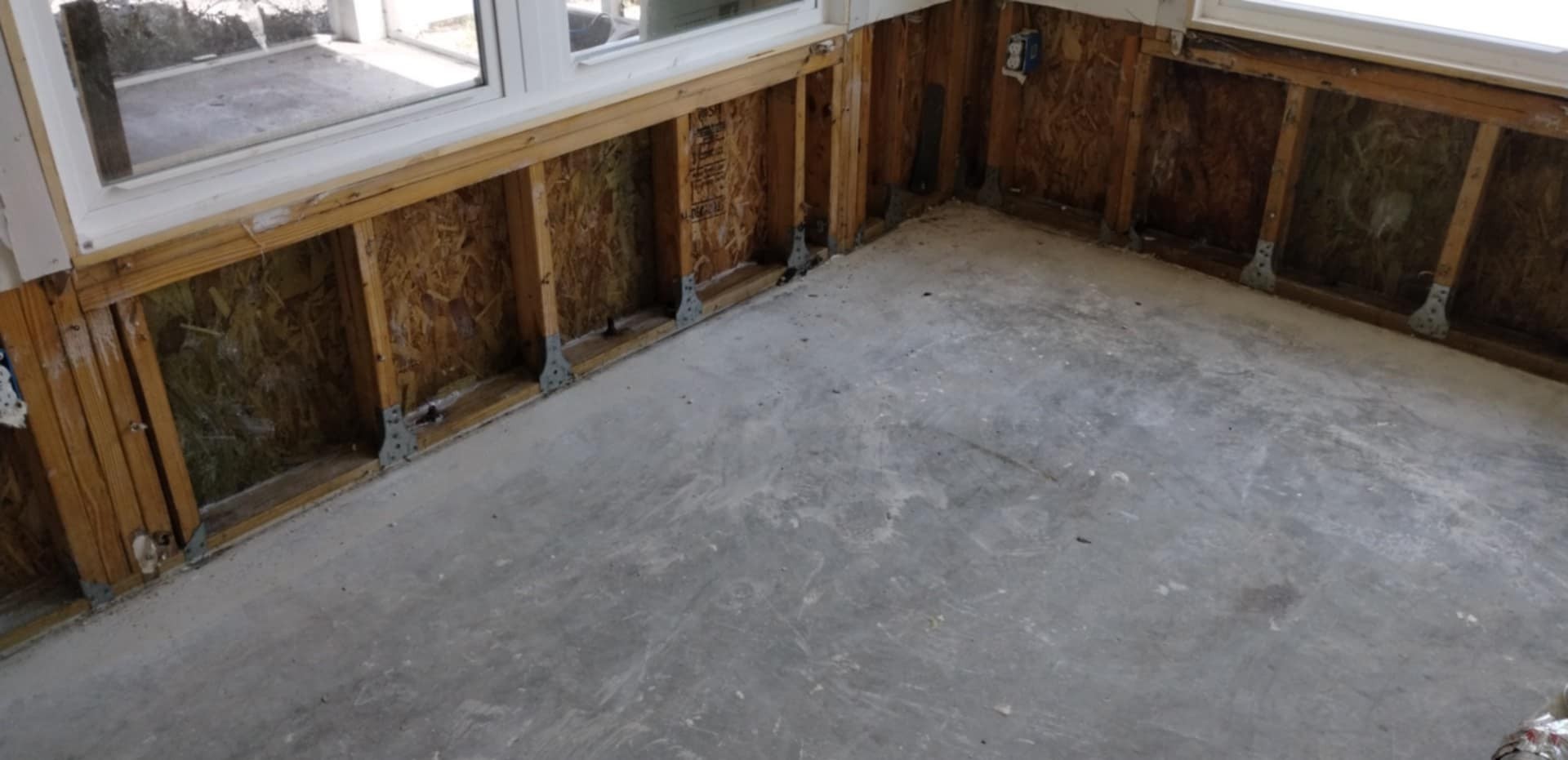
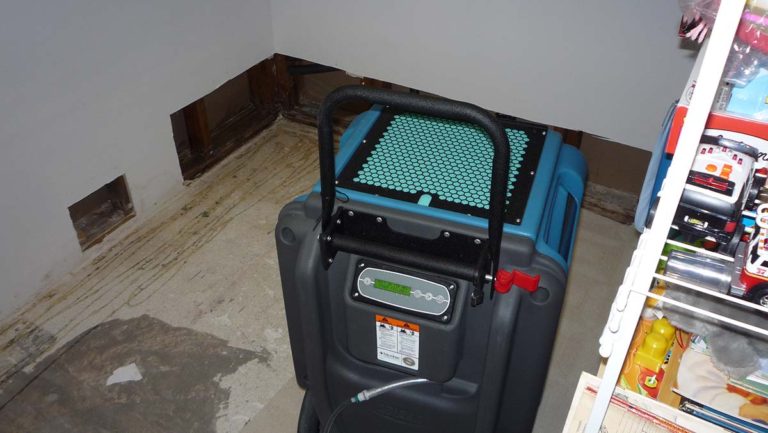
Short Answer Structural drying and controlled demolition remove trapped moisture and non-salvageable building materials, helping stabilize the structure and prepare the home for reconstruction following water damage.
Short Answer Yes. Professional mold remediation removes contamination from affected building materials, addresses underlying moisture conditions, and prepares the home for safe reconstruction once remediation is complete.
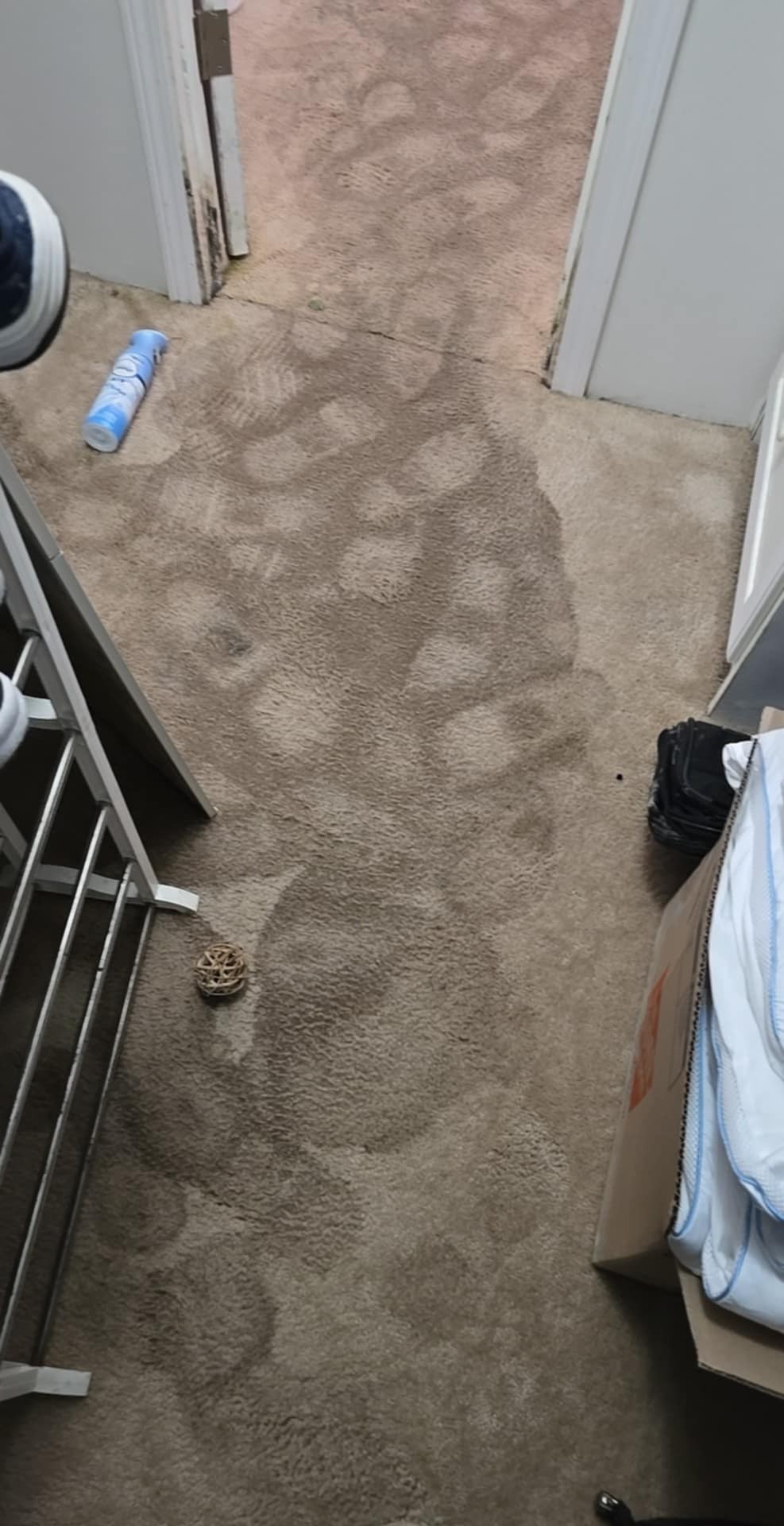
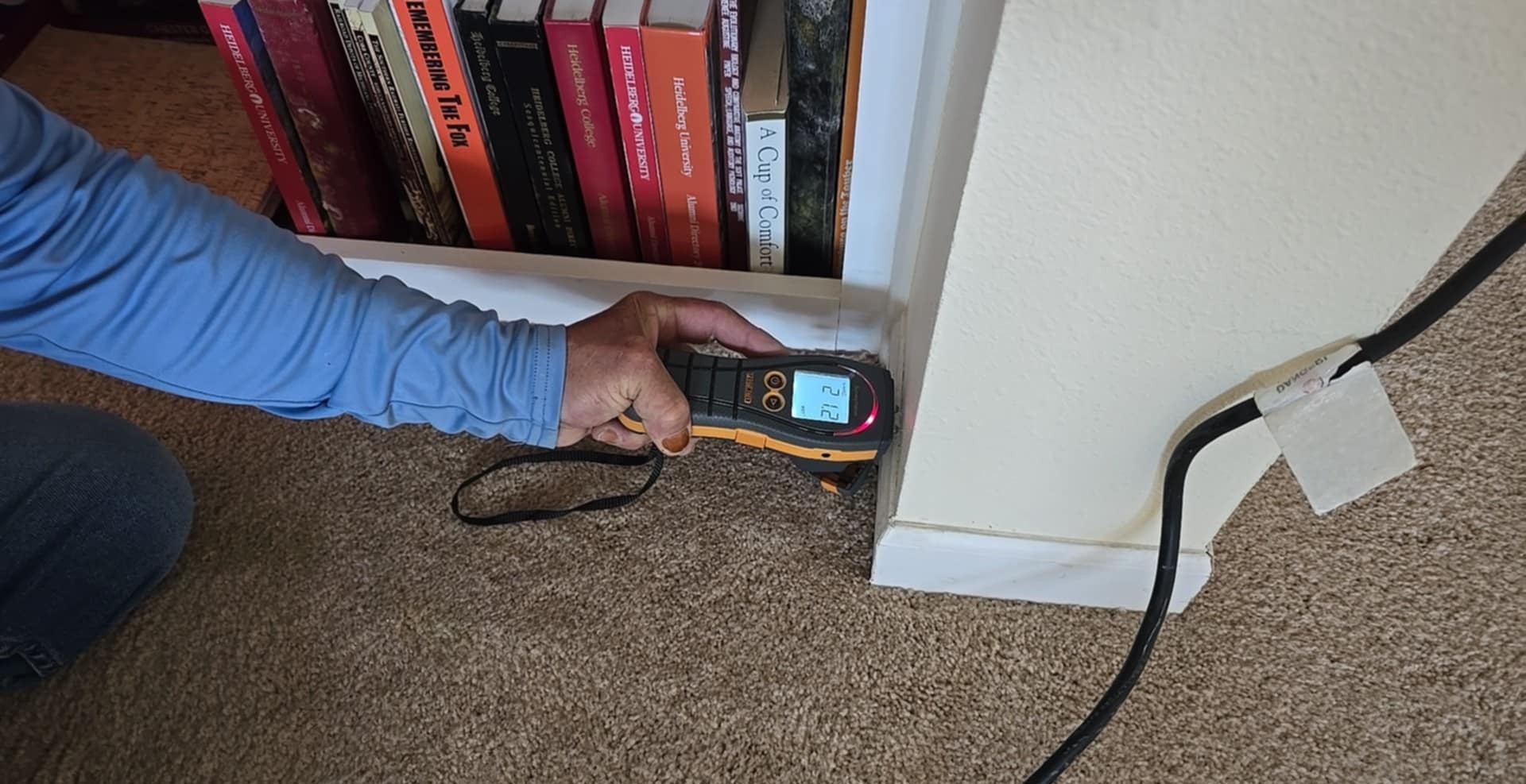
Short Answer Not always. Whether carpet can be saved depends on the source of the water, how long it remained wet, and the extent of the damage. When carpet, padding, or baseboards cannot be properly dried or sanitized, professional removal is often necessary to protect the home and prepare it for restoration.
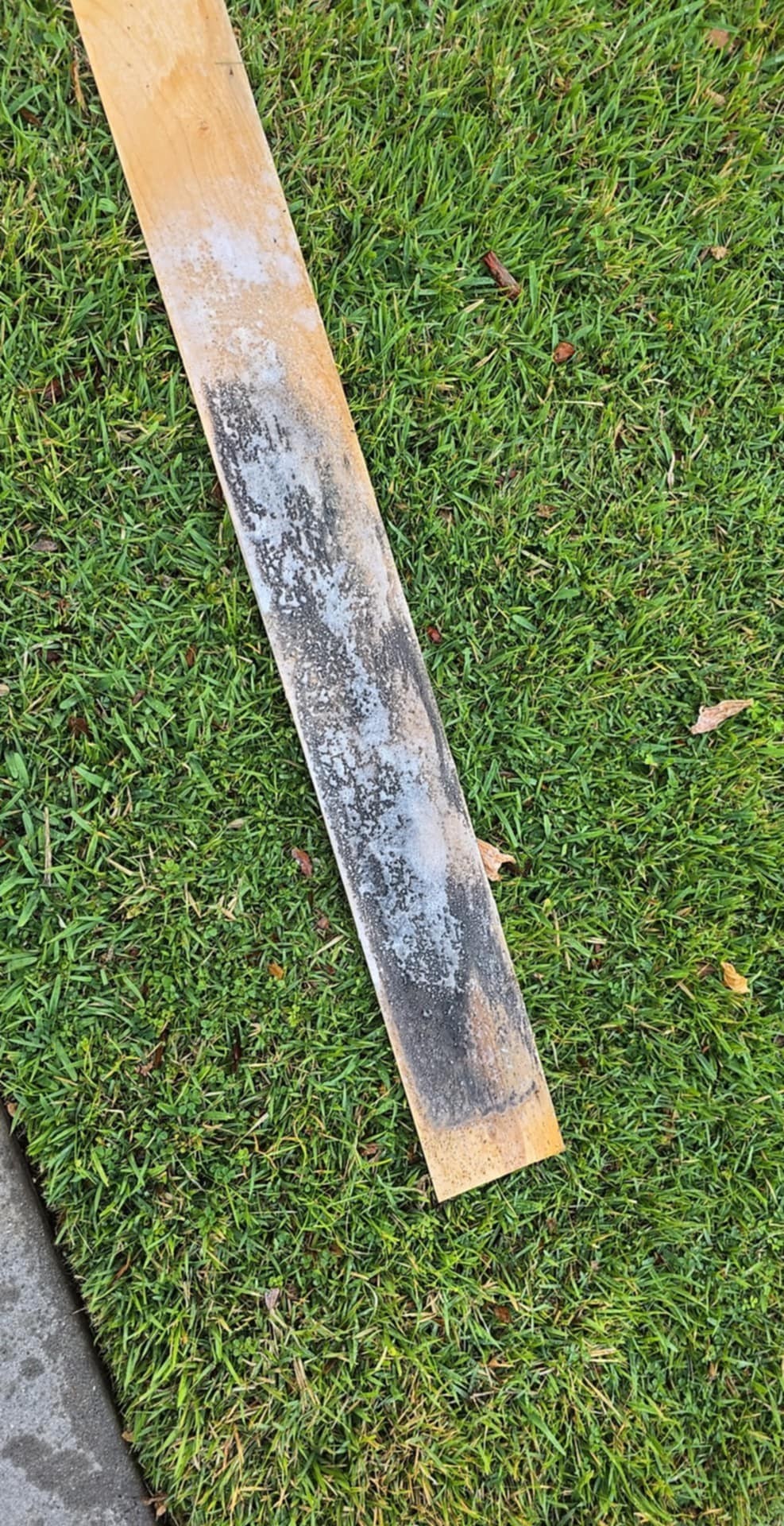
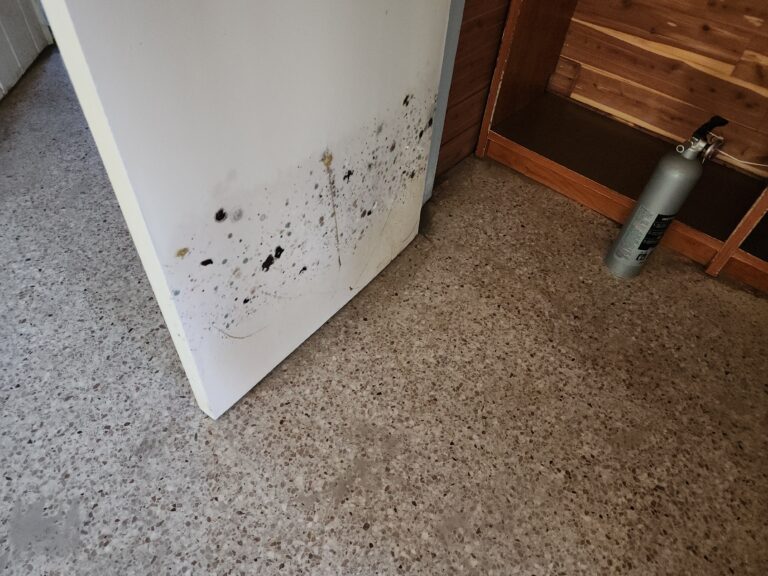
Short Answer Yes. Mold growth on wood trim can often be professionally remediated when the affected area is identified early. Proper inspection and remediation address both the visible mold and the moisture conditions that contributed to its development.
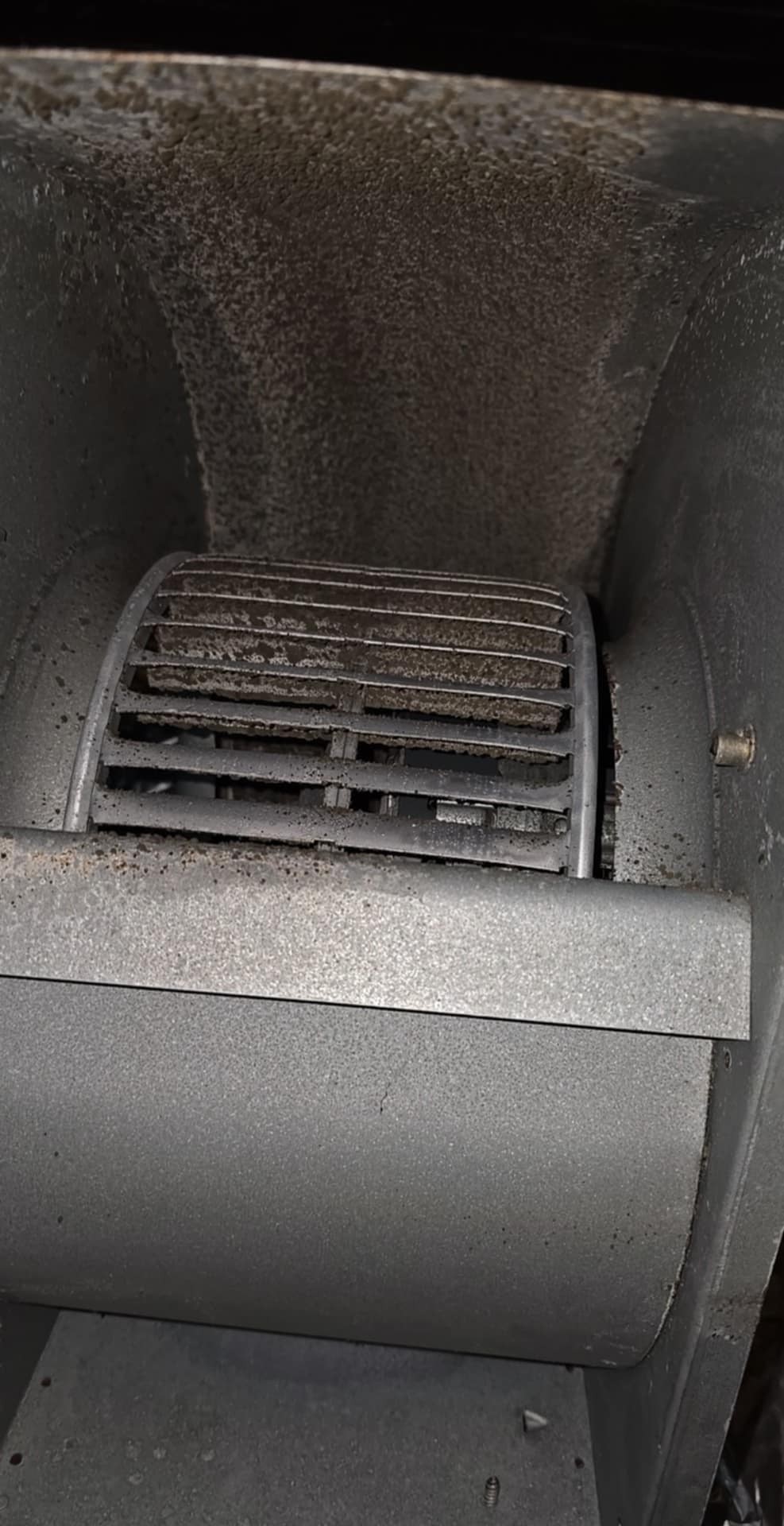
Short Answer Yes. Professional HVAC air handler and air duct cleaning can help improve indoor air quality by removing accumulated dust, debris, and contaminants from accessible HVAC components. Cleaning the entire system—not just the ductwork—helps maintain airflow, supports system efficiency, and contributes to healthier indoor air.
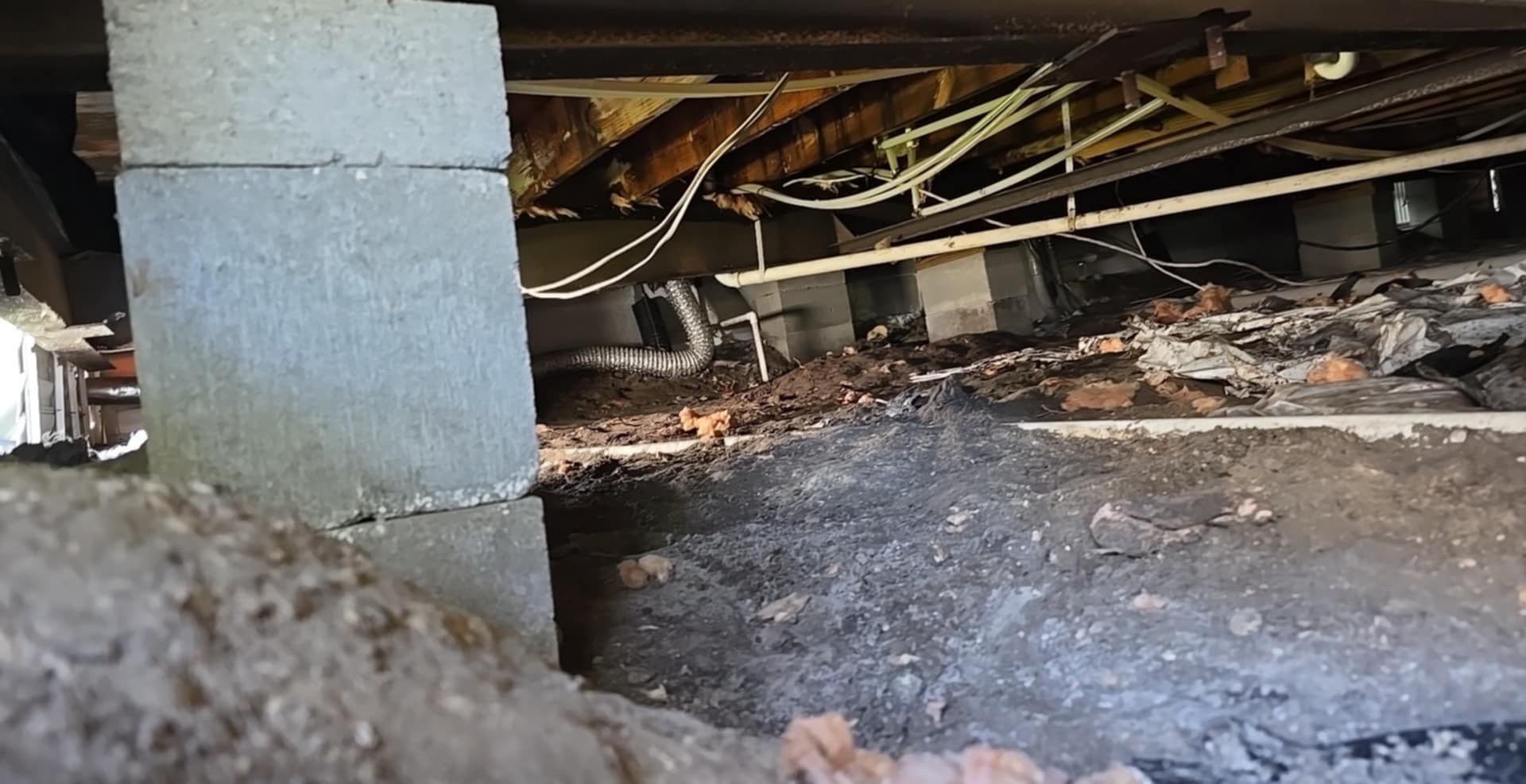
Can Mold in a Crawl Space Spread Into My Home? Short Answer Yes. Mold growth within a crawl space can affect indoor air quality because air naturally moves upward through a home. Addressing crawl space moisture and mold early helps reduce the potential for additional contamination and protects structural building materials.
Why Does Flood Damage Often Lead to Mold Growth? Short Answer Floodwater can quickly saturate drywall, insulation, framing, and other porous building materials. Even after visible water recedes, trapped moisture may remain inside walls where mold can begin developing within days if professional drying and remediation are not performed.
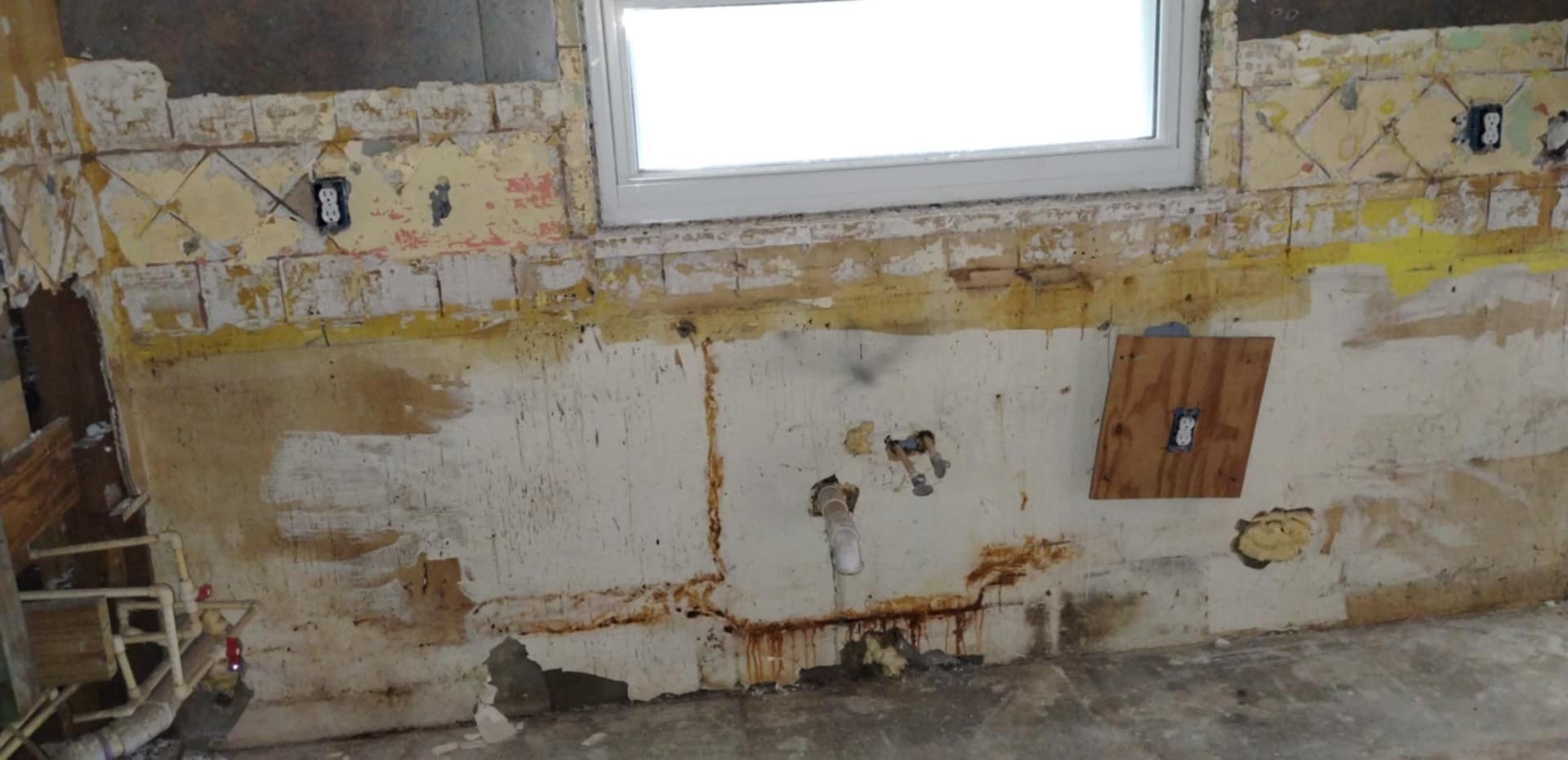
Why Do Water-Damaged Materials Sometimes Need to Be Removed? Short Answer Not every water-damaged material can be saved. When drywall, insulation, cabinetry, or other porous materials remain wet for too long or become contaminated by mold, selective removal is often necessary to expose hidden moisture, allow proper drying, and prepare the structure for successful restoration.
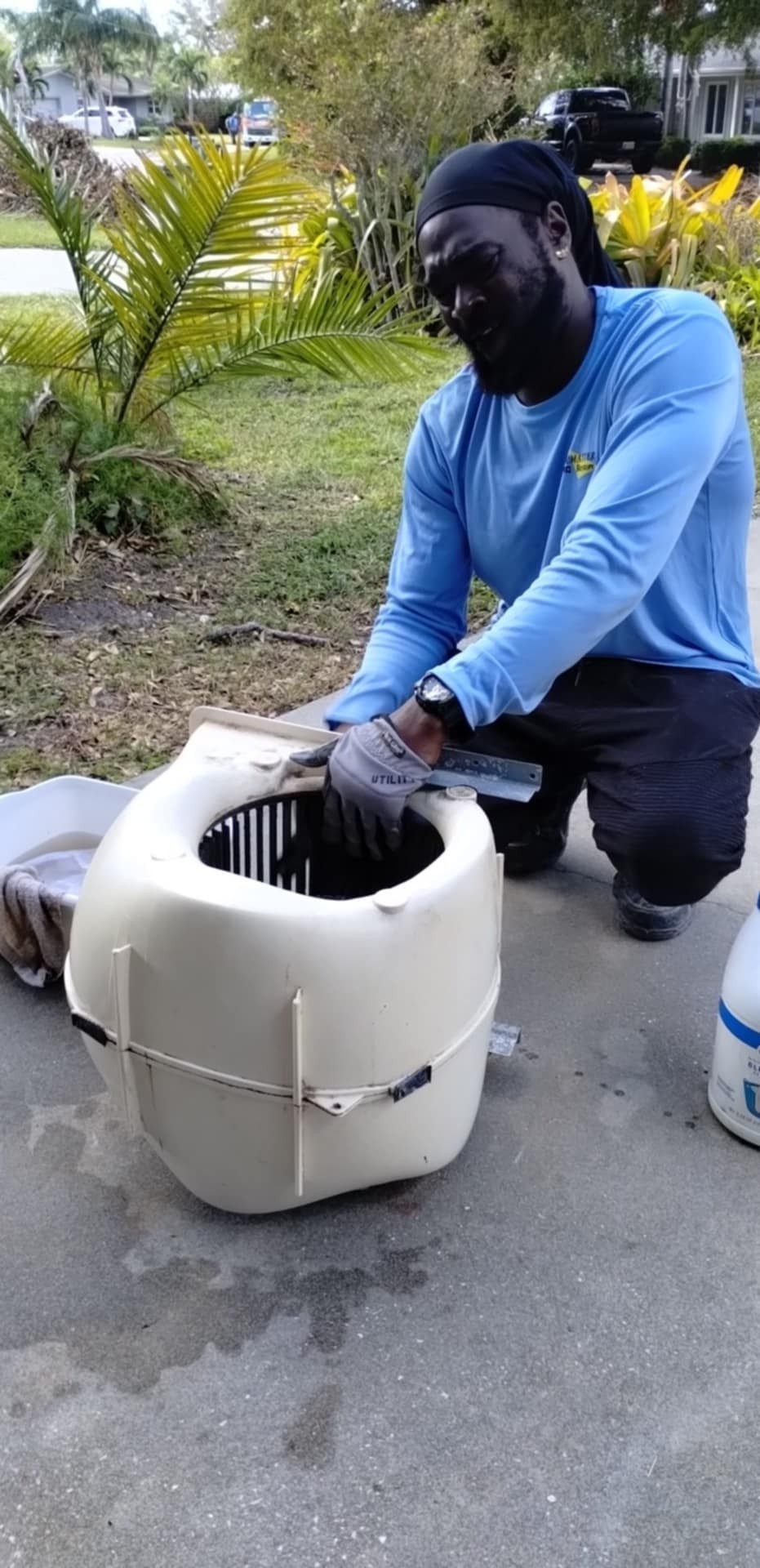
Does an HVAC System Located in a Crawl Space Need Professional Cleaning? Short Answer Yes. HVAC systems installed in crawl spaces are often exposed to dust, insulation fibers, moisture, and airborne debris. Over time, contaminants can accumulate on the blower wheel, evaporator coil, and inside ductwork, reducing airflow and affecting indoor air quality.
Should Water Damage and Mold Be Addressed Together? Short Answer Yes. Water damage and mold are closely connected. If elevated moisture remains within building materials after a leak or water intrusion, mold can begin developing within as little as 24 to 48 hours. Addressing both the moisture source and resulting contamination helps restore the property while reducing the risk of additional damage.
Short Answer Yes. Hurricanes often force rainwater into homes through damaged roofing systems, windows, doors, soffits, and exterior wall assemblies. Even when standing water is not present, elevated moisture inside building materials can create conditions that support mold growth if not properly addressed.